

Gelatin capsules are widely used for dietary supplements, but a safe finished capsule cannot be confirmed by the word gelatin alone. Safety depends on the animal source, tissue controls, supplier qualification, shell-manufacturing process, microbiological condition, contaminant limits, storage, and compatibility between the shell and the fill. For a supplement brand, the most useful question is therefore not simply are gelatin capsules safe but whether the selected shell is supported by current, lot-specific, and market-appropriate evidence.
That evidence should travel through the supply chain. The gelatin producer establishes source and process controls; the empty-capsule supplier converts the material into a defined shell; and the finished-product manufacturer verifies that the shell, formula, packaging, and release specifications work together. Innova Nutra's overview of hard gelatin manufacturing requirements explains why source, Bloom strength, viscosity, moisture, and microbial quality belong in the same technical discussion.
For brand owners, documentation is more than a purchasing formality. It supports risk review, religious-market claims, label accuracy, complaint investigations, and change control. The practical approach is to define the required documents before approving a shell, verify that they match the actual supply chain, and connect them with finished-product testing. The sections below outline the evidence a brand should request and the limits of what each document proves.
Start With Gelatin Source and Full Traceability
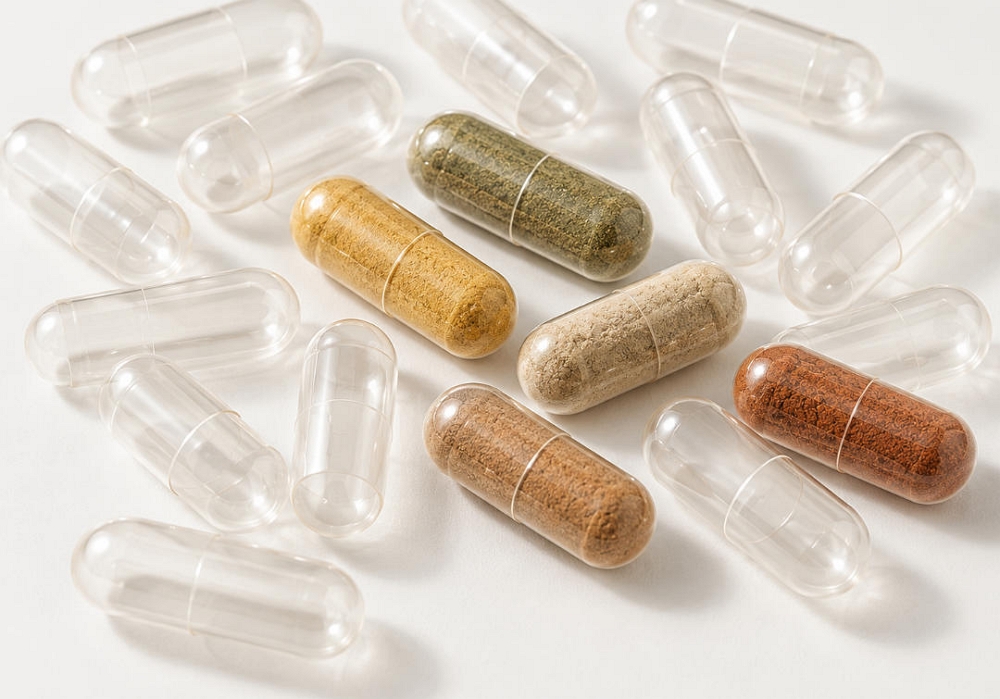
Commercial capsule gelatin is generally derived from bovine or porcine collagen, although the precise tissue source, country of origin, and processing route vary. Those details can affect religious suitability, customer acceptance, import requirements, and a brand's own ingredient policies. A statement that a shell is simply animal-derived is not specific enough for qualification. The purchasing specification should identify the permitted species, relevant tissue categories, manufacturing site, shell supplier, and approved grade.
Ask for a source and origin declaration
Request a signed declaration that identifies the animal species and the countries associated with raw-material collection and gelatin manufacture. Where bovine materials are involved, the file should explain how prohibited or higher-risk materials are excluded and how suppliers maintain traceability through processing. Broad statements can be useful background, but they should not replace a document tied to the approved material.
Traceability should connect the finished capsule lot to the empty-shell lot and, through supplier records, to the gelatin lot or controlled batch system. The brand may not receive every upstream record, but its manufacturer should be able to retrieve them during an investigation. This is consistent with the wider discipline described in Innova Nutra's nutraceutical supply chain guide, where origin information, batch records, and supplier qualification support accountability from raw material to finished product.
Review the BSE and TSE statement in context
For bovine gelatin, request a current BSE/TSE statement that names the material or product family and describes the basis for the conclusion. It should address species, source materials, origin controls, and the manufacturing process rather than offering an unexplained sentence that the product is safe. FDA's final rule on cattle-derived materials clarifies that gelatin made using specified customary industry processes is not considered prohibited cattle material. Brands can review the FDA explanation of the BSE final rule as an authoritative regulatory reference, while recognizing that a regulatory position does not replace supplier-specific qualification.
Use Specifications and COAs to Verify Each Lot
A specification defines what must be true; a Certificate of Analysis reports selected results for a particular lot. Brands should request both. The specification should carry a revision number, effective date, approved test methods or method references, and acceptance criteria. The capsule COA should identify the product, color, size, lot number, manufacture or retest information, and the tests performed. Names and codes must match the purchase order and manufacturing record so the document cannot be mistaken for another shell.
Confirm identity physical properties and performance
Useful controls may include shell appearance, dimensions, average weight, moisture, disintegration, and defects such as splits, pinholes, or improper joins. The exact list depends on whether the supplier is documenting gelatin powder, empty shells, or finished capsules. The finished-product manufacturer should also establish in-process checks for fill weight, closure integrity, visual defects, and other attributes relevant to its capsule manufacturing process.

Check microbiological limits and testing responsibility
The specification should define total microbial limits and any specified organisms appropriate to the material and product. Ask whether results are generated for every lot, tested periodically, or supported through supplier process controls. If the COA reports conformity rather than a numerical result, the quality agreement should make the testing model clear. The finished-product specification must separately address applicable microbiological requirements after blending, filling, and packaging, because later handling can introduce risks not represented by the empty-shell document.
Evaluate heavy metals and other contaminants
Brands commonly ask about arsenic, cadmium, lead, and mercury, but the appropriate limits and testing frequency should come from a documented risk assessment and the requirements of the intended market. Review the units, methods, reporting limits, and whether results apply to gelatin, empty capsules, or the finished supplement. The total exposure from the complete serving matters; a shell result should not be used to represent contaminants contributed by minerals, botanicals, or other fill ingredients.
Need a Documentation Review Before You Approve a Capsule Shell?
Share your formula, target market, capsule source, certification needs, and available supplier documents. Innova Nutra can help identify gaps across shell qualification, manufacturing, testing, packaging, and stability before commercial production.
Verify Halal Kosher and Market Claims Carefully
Religious certification can be central to product positioning, yet species identity by itself does not establish that a capsule is halal or kosher. Certification considers approved sources, processing aids, equipment, segregation, handling, and oversight under the certifying body's program. A bovine shell may be eligible for one program and not another; a porcine shell will not meet halal or kosher expectations. Treat these claims as controlled market requirements from the beginning of product development.
Validate the certificate rather than the logo
Request the current certificate, its scope, certifying organization, site address, covered product or grade, and expiration date. Confirm that the shell purchased is actually included; a certificate for a gelatin supplier or facility does not automatically cover every capsule color, processing aid, or finished product. If the brand will place a certification mark on packaging, obtain the required approval from the certifier and retain it with artwork records. Do not copy a supplier logo into marketing without confirming authorization and scope.
Certification continuity also needs monitoring. Record expiration dates, request renewals before they lapse, and require notification if the source species, site, formulation, or certifier changes. If a vegan or vegetarian claim is essential, the development team should evaluate a qualified non-gelatin alternative and confirm compatibility with the formula.
Separate certification from general quality assurance
Halal and kosher certificates answer specific religious-compliance questions. They do not replace a COA, contaminant testing, GMP controls, stability work, or finished-product release. In the same way, facility registrations and third-party audits provide useful system evidence but do not prove that a particular lot meets specification. Innova Nutra's guide to GMP supplement manufacturer requirements describes how supplier controls, written procedures, testing, trained personnel, and documentation work together as a quality system.
Build a Brand Ready Capsule Documentation File
Quality, regulatory, R&D, purchasing, and the contract manufacturer should agree on what must be obtained before shell approval, what is required for each lot, and what is reviewed periodically. Assign an owner for renewals and define which changes require written notice, technical review, new samples, stability work, or artwork updates.
Minimum documents to request before approval
- Approved empty-capsule specification with product code, size, color, composition, physical tests, microbiological limits, and revision status
- Representative and lot-specific capsule COAs showing traceable lot identification and results or clearly defined conformity statements
- Animal species, tissue-source, country-of-origin, and manufacturing-site declarations appropriate to the approved grade
- Current BSE/TSE statement for bovine material, including the basis of control and the product or site covered
- Current halal or kosher certificate when the brand will make or rely on that claim, plus evidence that the purchased grade is within scope
- Allergen, GMO, irradiation, residual-solvent, elemental-impurity, and processing-aid statements when relevant to the brand brief or market
- Supplier qualification evidence, change-notification commitments, complaint contacts, and defined retention periods for traceability records
Connect supplier documents with finished product evidence
Once the shell is approved, confirm that manufacturing records identify the actual shell lot used in each batch. Finished-product testing should follow the approved specification and risk assessment, while stability protocols should evaluate appearance, shell condition, odor, release, and package performance throughout shelf life. Complaints should be investigated across the shell, fill, process, package, and distribution conditions.
Before commercial production, brands should also confirm capsule size, fill capacity, swallowing expectations, and packaging fit. Innova Nutra's standard capsule size guide can help teams connect formulation volume with a practical consumer format. These development choices influence the approved shell code and therefore belong in the same controlled file as the safety and certification documents.
Questions to ask the manufacturer
- Which company manufactures the empty shell, and which site and grade are approved for this project?
- How are incoming capsule lots identified, inspected, released, stored, and linked to finished-product batch records?
- Which documents are lot-specific, which are periodic supplier declarations, and who monitors expiration or revision changes?
- How will a source, formulation, color, processing-aid, site, or certification change be communicated and approved?
- Which tests are performed on the shell, during encapsulation, at finished-product release, and during stability studies?
Gelatin capsules can be a safe and effective delivery format when source controls, manufacturing practices, specifications, testing, and traceability are appropriate for the product and market. No single certificate answers every question. A COA confirms selected lot attributes; a BSE/TSE statement explains source and process controls; halal or kosher certification supports a defined religious claim; and finished-product records show how the approved shell performed with the actual formula and package. Brands that assemble these documents before launch are better prepared to support claims, manage supplier changes, investigate complaints, and protect consistent product quality.
Ready to Build a Traceable Capsule Manufacturing Brief?
Bring your shell requirements, ingredient list, claim plan, packaging concept, forecast, and launch timing. Our team can coordinate formulation, capsule selection, quality documentation, production, and finished-product testing around a practical path to market.