
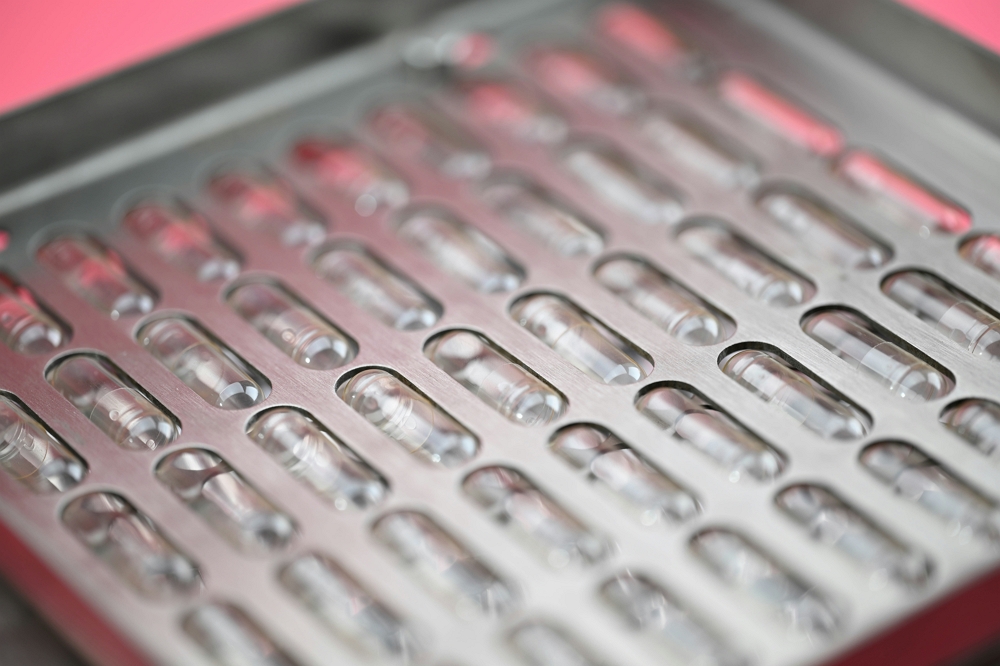
If you are developing a capsule supplement, "gelatin"is not a complete shell specification. Its source, gel strength, viscosity, moisture, microbiological quality, and behavior during storage can all affect production efficiency and finished-product performance. That is why experienced supplement brands ask not only "What is hard gelatin?"but also which capsule grade gelatin is appropriate for their formula, target market, packaging system, and shelf-life expectations.
Hard gelatin is a purified protein material derived from collagen and used to form firm, self-supporting capsule shells. In two-piece hard gelatin capsules, the shell is manufactured first and later filled with a powder, granule, pellet, or other compatible material. Softgels also use gelatin, but their shells contain plasticizers and are formed, filled, and sealed in one continuous process. These differences create distinct requirements for Bloom strength, moisture, flexibility, drying, and shell-to-fill compatibility.
For supplement brands, the goal is not simply to choose the strongest or least expensive gelatin. The real objective is to create a balanced shell, fill, and packaging system that runs consistently, remains stable during distribution, and delivers the consumer experience promised by the brand. Here are the manufacturing factors decision-makers should understand before moving into commercial production.
1. What Is Hard Gelatin?
Gelatin is produced through the partial hydrolysis of collagen, a structural protein found in animal skin, connective tissue, and bone. Manufacturers use controlled pretreatment, extraction, filtration, purification, concentration, sterilization, drying, and milling to convert collagen into a functional ingredient.
The resulting gelatin dissolves in warm water and forms a thermoreversible gel as it cools. This means the material can change from a solution to a gel and back again in response to temperature. That behavior makes gelatin particularly useful for capsule production.
The term "hard gelatin"generally describes the rigid material used in two-piece capsules. It is not necessarily a separate chemical category of gelatin. A hard capsule consists of a body and a slightly wider cap. During empty-shell manufacturing, stainless-steel pins are dipped into a warm gelatin solution. The coating sets on the pins, dries under controlled conditions, and is then stripped, trimmed, and joined.
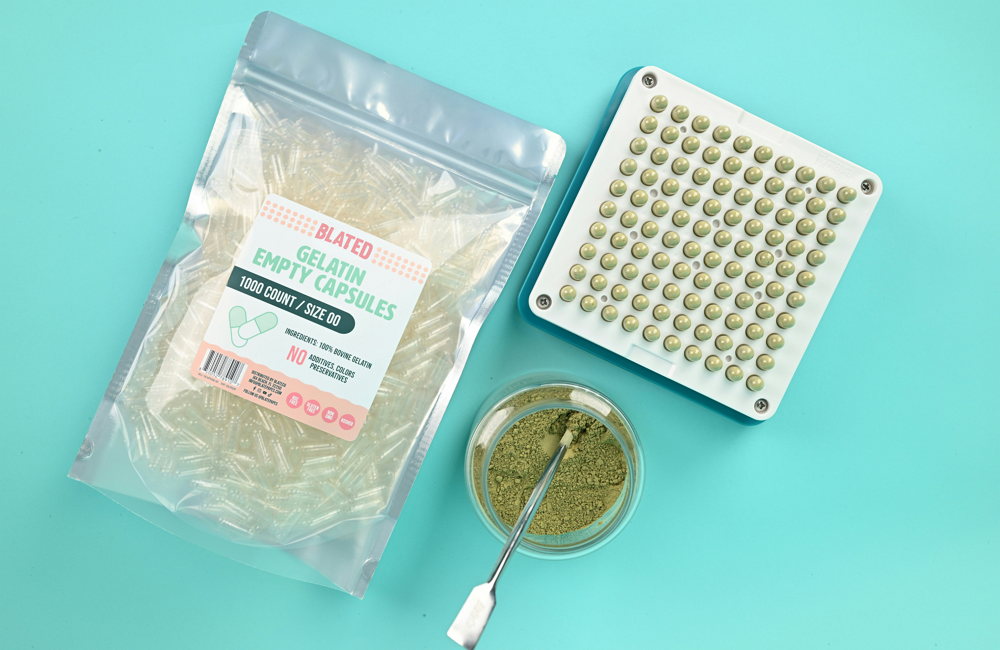
During supplement manufacturing, the cap and body are separated, the formula is measured into the body, and the capsule is closed or locked. Finished capsules may then be polished, inspected, checked for metal contamination, and transferred to the selected packaging line.
Commercial capsule gelatin is commonly sourced from bovine or porcine materials. The appropriate source depends on technical performance, supply availability, target consumers, religious or cultural requirements, and the documentation provided by the supplier. Source identity should therefore be treated as a controlled purchasing requirement rather than a last-minute labeling decision.
2. Why Gelatin Bloom Strength Matters
Gelatin Bloom strength is a standardized measurement of gel firmness. In simple terms, a higher Bloom value indicates a stronger gel under the specified test conditions.
Hard gelatin capsules often require relatively high-Bloom gelatin because the deposited film must set rapidly and become a thin, rigid, self-supporting shell. Industry references commonly associate hard-capsule applications with gelatin in approximately the 200-280 Bloom range, although the correct target depends on the grade, equipment, process conditions, and desired shell characteristics.
Softgel formulations typically use a different working range. Their gelatin ribbons must remain flexible, accept the selected plasticizer system, and create a reliable seal around a liquid or semisolid fill.
Bloom strength should never be treated as the only purchasing criterion. Two gelatin grades with similar Bloom values can behave differently because of variations in viscosity, molecular-weight distribution, pH, raw-material source, particle size, or manufacturing history.
On a hard-capsule line, those differences may affect dipping, drainage, film thickness, drying time, stripping, and dimensional consistency. In softgel manufacturing, they may affect ribbon formation, sealing behavior, drying, and final shell texture.
The practical lesson for brands is straightforward: a supplier specification is only the starting point. The selected gelatin or capsule shell should be qualified on the intended equipment and evaluated with the actual formula.
3. Viscosity and Film Formation
While Bloom describes gel strength, viscosity helps predict how the gelatin solution will flow during capsule production.
In hard-shell manufacturing, viscosity influences how the gelatin coats and drains from the dipping pins. If the solution is too thin, the deposited film may be uneven or lighter than intended. If it is too thick, the shell may become excessively heavy, require a longer drying cycle, or fall outside dimensional targets.
Viscosity also interacts with solution temperature, concentration, holding time, and processing conditions. A technically acceptable gelatin can still perform poorly if the gel preparation and dipping process are not properly controlled.
For brands purchasing finished empty capsules, these controls are largely managed by the shell supplier. However, the supplement manufacturer must still confirm that shell dimensions, separation behavior, closure, and mechanical strength are suitable for its filling equipment and formula.
A reliable gelatin capsule manufacturer should be able to explain why a particular shell is recommended and provide evidence from qualification or production trials.
Not Sure Which Capsule Shell Fits Your Formula?
Bloom strength, moisture, fill compatibility, and storage conditions can all affect capsule performance. Innova Nutra's formulation and manufacturing team can help you evaluate the right shell, dosage format, and production approach before you invest in a commercial run.
4. Gelatin Moisture Content Is Part of a Larger System
Water helps gelatin shells remain flexible. When a hard gelatin capsule loses too much moisture, it may become brittle and crack during filling, bottling, shipping, or consumer handling. When it absorbs too much moisture, it may soften, deform, or stick.
Softgels also require a controlled drying endpoint. Insufficient drying can produce tackiness, deformation, or stability problems. Excessive drying may reduce flexibility and increase the risk of cracking.
The shell does not exist in isolation. Moisture can move between the shell, fill material, package headspace, desiccant, surrounding atmosphere, and packaging components until the system approaches equilibrium.
A hygroscopic powder, for example, may draw moisture from a hard capsule shell and increase brittleness. A fill containing excessive available water may transfer moisture in the opposite direction and soften the shell. Packaging with a weak moisture barrier can expose the product to changing warehouse and distribution environments.
For these reasons, development teams should assess gelatin moisture content together with:
- Fill hygroscopicity and water activity
- Expected storage temperature and relative humidity
- Bottle or blister moisture-barrier performance
- Closure and induction-seal selection
- Desiccant type and quantity
- Product count and package headspace
- Intended distribution markets
- Real-time and accelerated stability data
Stability testing should use the commercial formula and final packaging configuration whenever possible. Testing an empty shell or unpackaged bulk sample alone cannot represent the complete product system.
5. Microbiological Quality and Raw-Material Control
Because gelatin is animal-derived and processed as an aqueous solution during capsule manufacturing, microbiological control deserves careful attention.
A qualified capsule grade gelatin supplier should provide defined microbial limits, batch documentation, traceability, and evidence of suitable process controls. The capsule or supplement manufacturer must then protect the material through controlled storage, sanitation, environmental monitoring, employee practices, and appropriate testing.
Brands should review the complete specification and Certificate of Analysis rather than relying on broad descriptions such as "premium" or "pharmaceutical grade."
Acceptance limits should reflect the product category, applicable regulations, manufacturer risk assessment, and methods agreed upon by the brand and its manufacturing partner.
6. Understanding Gelatin Cross-Linking Risk
Gelatin chains can form additional bonds over time, a phenomenon known as cross-linking. When this occurs, the capsule shell may develop a tough film that resists normal rupture during a standard dissolution or disintegration test.
Cross-linking does not have one universal cause. Risk may increase with heat, humidity, extended storage, and exposure to reactive substances. Certain aldehydes, oxidized ingredients, flavor components, botanical extracts, or degradation products from excipients may contribute to the problem.
A suitable prevention strategy begins during formulation development. The manufacturer should screen the fill for reactive ingredients, control relevant raw-material impurities, consider protective formulation approaches when justified, and evaluate compatibility through stability testing.
Packaging and storage conditions are also important. Improved moisture barriers, oxygen management, revised headspace, or changes to the packaging configuration may help reduce environmental conditions that support undesirable reactions.
If a gelatin capsule produces an unexpected dissolution result, the investigation should distinguish a genuine release failure from cross-linking-related film formation and follow an appropriate validated method. From a commercial perspective, however, prevention is preferable. It is better to identify compatibility risks before launch than to explain a failing stability lot after the product has entered distribution.
7. Hard Gelatin Capsules vs. Softgels
Although hard capsules and softgels can both contain gelatin, they require different formulations, processes, and manufacturing expertise.
Two-Piece Hard Gelatin Capsules
Hard gelatin capsules are commonly used for powders, granules, pellets, and beadlets. The empty shell must maintain precise dimensions so it separates, fills, and closes reliably on automated equipment.
Important considerations include:
- Shell brittleness and mechanical strength
- Cap-to-body fit and locking performance
- Capsule size and target fill weight
- Powder flow and compressibility
- Dust generation during filling
- Shell color and opacity
- Shell-to-fill compatibility
- Finished-package moisture protection
Hard capsules provide brands with formulation flexibility and can support a broad range of supplement concepts. However, the powder blend must have suitable flow and density to produce consistent fill weights at commercial speeds.
Soft Gelatin Capsules
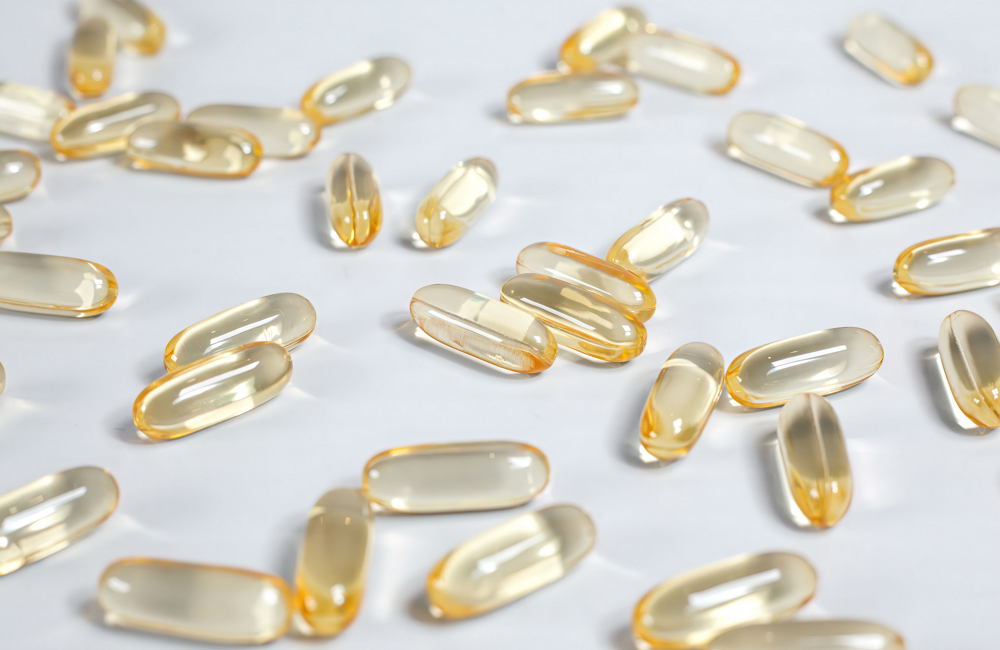
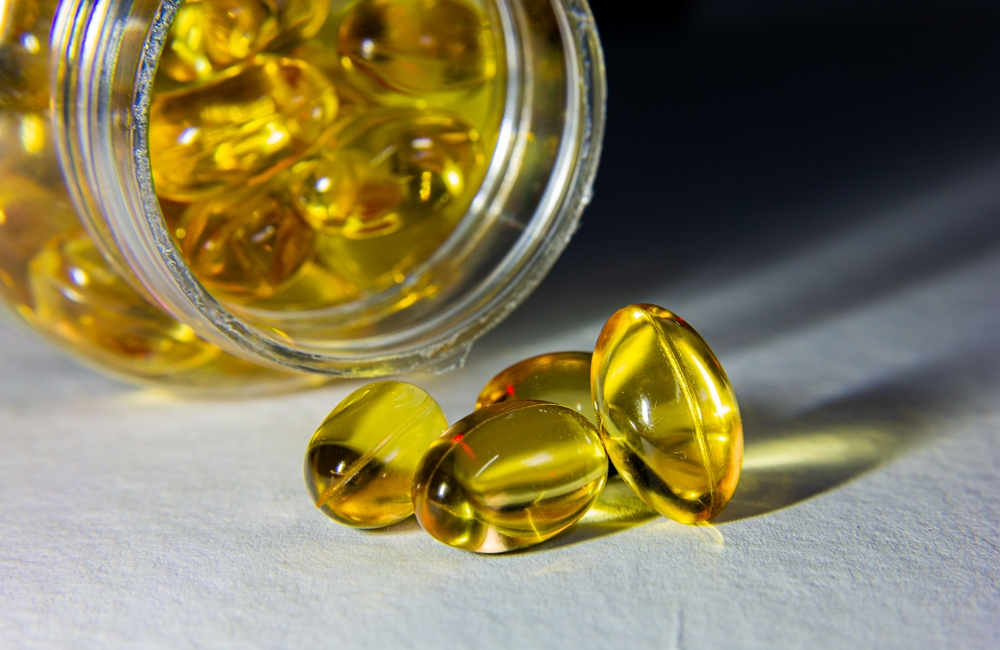
Softgels are one-piece, hermetically sealed units frequently used for oils, suspensions, and other nonaqueous fills. Gelatin is combined with water and plasticizers such as glycerin or sorbitol to form flexible ribbons.
During rotary-die production, two ribbons come together around the measured fill. The equipment forms, fills, cuts, and seals the softgel in a coordinated operation.
Critical variables include ribbon thickness, gel temperature, fill properties, wedge conditions, seam formation, drying, and the migration of water or plasticizer between the shell and fill.
A manufacturer experienced in filling purchased two-piece capsules does not automatically possess the formulation knowledge or equipment needed to manufacture softgels. Brands planning products in both formats should verify each capability separately.
8. What "Capsule Grade Gelatin" Should Mean in Procurement
The term "capsule grade" becomes useful only when it is translated into an approved purchasing specification.
Procurement, quality, R&D, and manufacturing teams should align on the characteristics that will be controlled from batch to batch. Qualification should address:
- Identity and source: Animal species, relevant tissue source, country-of-origin documentation, traceability, and suitability for the intended market.
- Functional performance: Bloom strength, viscosity, pH, solution appearance, setting behavior, and performance on the production line.
- Physical and chemical quality: Moisture, ash, odor, clarity, particle size where relevant, elemental impurities, and controlled process residues.
- Microbiological limits: Defined acceptance criteria, test methods, and specified-organism requirements.
- Quality documentation: Lot-specific CoAs, change notifications, regulatory documentation, audit status, and retention-sample procedures.
- Supply continuity: Manufacturing locations, lead times, safety stock, alternate grades, and change-control procedures.
Incoming gelatin or empty capsules can meet a supplier's CoA and still be a poor match for a particular formula or production line. A capable manufacturing partner should therefore connect raw-material specifications with finished-product requirements and commercial process validation.
9. Questions to Ask a Gelatin Capsule Manufacturer
Before approving a manufacturer, ask questions that reveal how the company manages product risk in daily operations:
- Why is this hard gelatin or softgel shell recommended for our formula?
- How are incoming ingredients and empty capsules sampled, tested, released, and traced?
- Which controls monitor fill weight, capsule integrity, appearance, and metal contamination?
- How will the team assess shell-to-fill compatibility and cross-linking risk?
- Will stability testing use the final formula, count, closure, induction seal, desiccant, and secondary packaging?
- What documentation will accompany each commercial batch?
- How are deviations, out-of-specification results, and manufacturing changes communicated?
- Can formulation, encapsulation, packaging, label review, and fulfillment be coordinated by one project team?
- What information is required to provide an accurate quotation and production schedule?
The answers should be specific to the proposed product. General assurances cannot replace a written specification, documented testing, and a realistic scale-up plan.
Choose the Shell as Part of the Product, Not as a Commodity
Understanding what hard gelatin is gives supplement brands a stronger starting point, but successful commercialization depends on the complete product system. Gelatin source affects sourcing strategy and market suitability. Bloom strength and viscosity influence processing. Moisture connects the shell with the fill, packaging, and distribution environment. Microbiological controls protect quality, while early compatibility studies help reduce cross-linking and dissolution risks. Hard gelatin capsules and softgels may share a familiar ingredient, but they require different formulations, equipment, controls, and manufacturing experience.
The right manufacturing partner will not recommend a standard shell before understanding the product. Its team should ask about active ingredients, excipients, target dose, consumer preferences, claims, launch market, packaging, shelf-life expectations, forecast, and scale-up timeline. These inputs make it possible to select an appropriate shell, confirm manufacturability, define testing, and create a commercial plan around the brand's actual goals.
Innova Nutra supports supplement brands with custom capsule and softgel manufacturing, formulation development, quality control, and branded packaging in California. Whether you are refining an existing formula or evaluating a new dosage form, our team can help connect shell selection with fill performance and finished-product requirements. Send us your formula, target serving, packaging concept, expected order volume, and launch date. We will review the project, identify the technical questions that need to be resolved, and recommend a manufacturing path tailored to your brand.
Ready to Manufacture Your Capsule or Softgel Product?
Turn your supplement concept into a market-ready product with Innova Nutra. From custom formulation and shell selection to quality control, packaging, and fulfillment, our team provides an end-to-end manufacturing solution built around your brand, target market, and growth plans. Share your formula or product idea with us to receive a tailored project review and quotation.

Daniel Wright
Daniel Wright is a nutraceutical manufacturing expert specializing in production of vitamins, minerals, herbal extracts, and functional dietary supplements. He was involved in the development of dozens of successful health products for Innova Nutra, from concept formulation to large-scale production, ensuring compliance with regulatory standards and achieving high-quality manufacturing. Through his blog, he shares practical, industry-backed insights on formulation development, ingredient selection, regulatory compliance, and scalable manufacturing, helping health brands worldwide make better product and production decisions.