
Skincare routines continue to evolve, but some ingredients remain timeless. One of the most talked-about options is the vitamin e capsule, commonly used both as a nutritional product and as part of DIY skincare routines. Many people are curious about how to use vitamin e capsules for face care, whether applied directly, mixed with skincare products, or taken as a vitamin e dietary supplement.
Vitamin E is widely known for its antioxidant properties, making it a popular ingredient in creams, serums, and oils. Because of this, vitamin e capsules for skin have gained attention among users looking for simple ways to support a smoother, healthier-looking complexion. However, using a vitamin e capsule for face application is not always as straightforward as breaking open a capsule and applying the contents directly.
Depending on your skin type, skincare goals, and product formulation, a vitamin e oil capsule may be used in different ways. Some people prefer combining it with moisturizer, while others blend it with carrier oils or use specially formulated skincare products containing skin vitamin e capsule ingredients. Understanding the right method can help avoid heavy texture, irritation, or unnecessary product buildup.
In this guide, we’ll explain how to use vitamin e capsule products on the face, the different application methods, potential benefits, precautions, and how to choose the option that best fits your skincare routine. Whether you’re new to facial oils or simply exploring vitamin e capsules for skin, this article will help you make more informed skincare choices.
Bring Your Supplement Idea to Market
Vitamin E products can be developed in different formats, including softgels and capsules. Innova Nutra supports brands with custom formulation and OEM manufacturing solutions to create market-ready supplement products.
What Is a Vitamin E Capsule and Why Is It Used in Skincare?
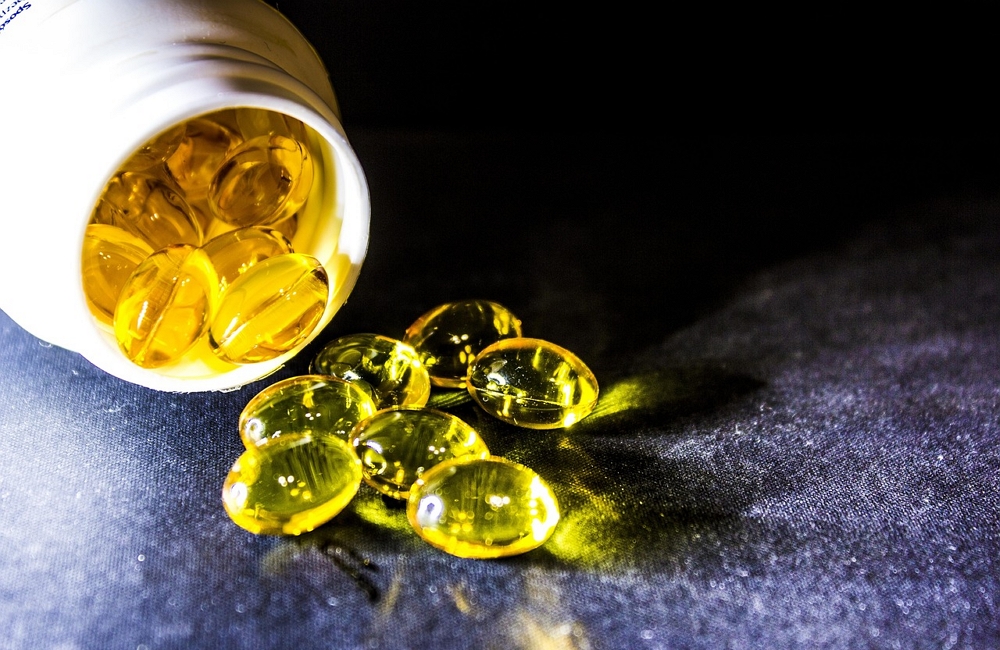
A vitamin e capsule is a small, soft gel capsule filled with concentrated vitamin E oil. It is commonly used as a vitamin e dietary supplement to support overall health, but it has also become popular in skincare routines due to its antioxidant-rich properties. Vitamin E (tocopherol) is a fat-soluble nutrient that helps protect cells from oxidative stress, which is one of the main factors behind premature skin aging.
In skincare discussions, the vitamin e capsule for face use has gained significant attention because of its potential to support skin hydration, barrier repair, and overall skin appearance. However, its effectiveness depends largely on how it is used and the individual’s skin type.
1. Composition of a Vitamin E Capsule
A typical vitamin e capsule contains concentrated tocopherol oil, sometimes blended with carrier oils like soybean oil or sunflower oil. This oily texture is what makes it suitable for topical use, especially for dry or rough skin areas. Some formulations are designed specifically as a vitamin e oil capsule, while others are primarily intended for oral supplementation.
The concentration of vitamin E in each capsule can vary, which is why direct application should always be done carefully to avoid excess oiliness or pore blockage.
2. Why Vitamin E Is Used in Skincare
Vitamin E is widely used in cosmetic formulations because of its antioxidant and moisturizing properties. When applied to the skin, it helps protect against environmental stressors such as pollution and UV exposure (though it is not a substitute for sunscreen). This is why many creams and serums include vitamin e capsules for skin-derived ingredients or synthetic tocopherol.
Its emollient nature also makes it useful for improving skin softness and reducing dryness. In some cases, people apply a skin vitamin e capsule extract directly to targeted areas such as scars, dry patches, or under-eye regions.
3. Traditional vs Topical Use
Originally, a vitamin e dietary supplement was designed for internal health support, including immune function and cell protection. Over time, however, beauty enthusiasts began exploring topical use by breaking open capsules and applying the oil directly to the face.
This dual-purpose nature is what makes vitamin E unique—it can be used both internally and externally, depending on skincare goals and medical guidance.
4. Why It Became Popular in Facial Skincare
The rise of DIY skincare trends contributed to the popularity of the vitamin e capsule for face application. Many users are attracted to its simplicity, affordability, and natural ingredient profile. It is often mixed with moisturizers, aloe vera, or facial oils to enhance hydration.
However, it is important to note that pure vitamin E oil is thick and may not suit all skin types, especially oily or acne-prone skin.
5. Key Takeaway
A vitamin e capsule is more than just a supplement—it is also a versatile skincare ingredient when used correctly. Whether taken as a vitamin e dietary supplement or applied topically in skincare routines, it plays a role in supporting skin health, hydration, and protection against environmental damage. However, understanding formulation, dosage, and skin compatibility is essential before incorporating it into daily use.
Can You Use a Vitamin E Capsule for Face Application?
Yes, a vitamin e capsule can be used for face application, but it should be done carefully and with proper understanding of your skin type and product formulation. While many people associate it with a vitamin e capsule for face routine, it is not a one-size-fits-all solution. The effectiveness depends on whether it is used directly, mixed with other skincare products, or applied in a more controlled formulation.
Below are the key points to understand before using it on the skin.

1. Direct Application: Is It Safe?
Some users break open a vitamin e oil capsule and apply the oil directly to the face. This method is popular in DIY skincare because it feels simple and natural. However, vitamin E oil is thick and highly concentrated, which may not suit oily or acne-prone skin.
For dry skin types, a small amount of vitamin e capsules for skin application may help improve softness and reduce flakiness. But overuse can lead to clogged pores or irritation, especially when applied in excess.
2. Mixing With Skincare Products
A safer and more balanced approach is mixing the oil from a vitamin e capsule for face use with a moisturizer, aloe vera gel, or facial serum. This helps dilute the concentration and improves absorption.
This method is widely preferred because it reduces the risk of heaviness while still allowing users to benefit from the nourishing properties associated with skin vitamin e capsule ingredients.
3. Skin Type Considerations
Not all skin types react the same way to vitamin E:
Dry skin: May benefit from occasional use for added hydration
Normal skin: Can tolerate moderate use when mixed properly
Oily or acne-prone skin: Should be cautious, as pure oil may worsen breakouts
Because of this, dermatologists often recommend testing a small area before full facial application.
4. Internal vs External Use
It is important to distinguish between topical and oral use. A vitamin e dietary supplement is designed for internal health support, while a vitamin e capsule used on the skin is focused on external application. Both approaches serve different purposes and should not be confused.
5. Industrial Perspective: Quality Matters
From a formulation and manufacturing standpoint, the effectiveness of a vitamin e capsule for face product depends heavily on production quality, oil purity, and encapsulation technology. This is where professional manufacturers play an important role.
For brands looking to develop high-quality supplements or skincare-related capsules, working with an experienced partner like Innova Nutra can make a significant difference. As a professional supplement and capsule manufacturing provider, Innova Nutra supports OEM/ODM services, helping brands create stable, consistent, and market-ready products.
Whether it is a vitamin e capsule for dietary use or skincare-focused formulations, advanced production standards ensure better safety, stability, and consumer trust.
6. Key Takeaway
Yes, you can use a vitamin e capsule for face application, but it should be approached carefully. The best results often come from controlled usage, proper dilution, and understanding your skin’s needs. For brands entering this category, partnering with a reliable manufacturer like Innova Nutra can help ensure product quality and scalability from concept to finished capsule products.
How to Use Vitamin E Capsules for Face: Step-by-Step Guide?
Using a vitamin e capsule on the face can be simple, but it should be done carefully to avoid irritation or clogged pores. Whether you are using a vitamin e capsule for face care as part of a nighttime routine or occasional treatment, the key is moderation and proper technique. Below is a practical step-by-step guide.
1. Choose the Right Vitamin E Capsule
Start by selecting a suitable vitamin e oil capsule. Capsules designed for cosmetic or skincare use are often more refined and lighter in texture, while those made as a vitamin e dietary supplement may be thicker and intended primarily for internal use.
If possible, choose a formulation labeled for vitamin e capsules for skin use, as these are typically more stable and better suited for topical application.
2. Cleanse Your Face Thoroughly
Before applying any oil, wash your face with a gentle cleanser. This step removes dirt, excess sebum, and makeup, allowing the skin vitamin e capsule oil to absorb more effectively.
Pat your skin dry with a clean towel. Avoid applying vitamin E on damp skin unless it is mixed with another hydrating product.
3. Perform a Patch Test
Before full application, open a vitamin e capsule and apply a small amount of oil behind your ear or on your inner wrist. Wait 24 hours to check for any reaction.
This is especially important for sensitive or acne-prone skin, as pure vitamin E can sometimes feel heavy.
4. Extract and Apply the Oil Properly
Pierce the vitamin e capsule for face use with a clean pin and squeeze out a small amount of oil—usually a few drops are enough.
- Gently apply it to targeted areas such as:
- Dry patches
- Fine lines
- Under-eye area (avoid direct contact with eyes)
Use light tapping motions instead of rubbing to improve absorption.
5. Mix With Other Skincare Products (Optional)
If the oil feels too thick, mix it with a moisturizer, aloe vera gel, or facial serum. This helps balance the richness of the vitamin e capsule while reducing the risk of clogged pores.
Many users prefer this method as it allows smoother application of vitamin e capsules for skin benefits without overwhelming the skin.
6. Use It at Night for Best Results
Vitamin E oil is best used as part of a nighttime skincare routine. Apply it before bed so the skin has time to absorb it without exposure to sunlight, pollution, or makeup.
Using a vitamin e capsule for face treatment 2–3 times per week is usually sufficient for most skin types.
7. Follow With Sunscreen During the Day
Although vitamin E supports skin protection, it does not replace sunscreen. If you use skin vitamin e capsule oil at night, always apply sunscreen the next morning to protect your skin barrier.

Benefits of Vitamin E Capsules for Skin Care Routines
A vitamin e capsule is widely used in both skincare and wellness routines because of its antioxidant-rich composition and moisturizing properties. When incorporated correctly, a vitamin e capsule for face care routine may help improve skin texture, support hydration, and protect against environmental stressors. Below are the key benefits explained in detail.
1. Strong Antioxidant Protection
One of the main benefits of a vitamin e capsule is its antioxidant function. Vitamin E helps neutralize free radicals caused by pollution, UV exposure, and daily stress. These free radicals are known to contribute to premature aging, fine lines, and dull skin.
This is why vitamin e capsules for skin are often included in skincare routines focused on anti-aging and long-term skin health support.
2. Deep Moisturizing Effect
Vitamin E is an oil-soluble nutrient, making it highly effective for locking in moisture. When applied as a vitamin e oil capsule, it forms a protective layer on the skin that helps reduce water loss.
This make it especially useful for dry or dehydrated skin types. Many users apply a skin vitamin e capsule extract to rough areas such as elbows, cheeks, or under the eyes for extra hydration.
3. Supports Skin Barrier Function
The skin barrier plays an important role in protecting against external irritants. Regular and controlled use of a vitamin e capsule for face application may help strengthen this barrier over time.
A stronger skin barrier means reduced sensitivity, improved resilience, and better overall skin balance.
4. Helps Improve Skin Texture and Softness
With consistent use, vitamin E may help soften rough patches and improve overall skin smoothness. Many people notice that vitamin e capsules for skin use leaves the skin feeling more supple and nourished, especially when combined with a good moisturizer.
This effect is one reason why vitamin E is often included in both cosmetic creams and oral supplements.
5. Versatile Application Options
A vitamin e capsule is versatile and can be used in multiple ways:
- Direct application in small amounts
- Mixed with moisturizers or serums
- Spot treatment for dry or rough areas
This flexibility makes it a popular ingredient in both DIY skincare and professionally formulated products.
6. White Label & OEM Product Potential
Beyond personal use, vitamin E capsules are also widely used in the supplement and skincare manufacturing industry. Many brands choose to develop vitamin e dietary supplement products or topical capsule formulations under private label or white label models.
White label solutions allow companies to launch products faster without building manufacturing capabilities from scratch. In particular, vitamin e capsule products are popular in this model because they are well-known, stable, and easy to market across global wellness and beauty segments.
Manufacturers offering white label services typically provide:
- Standard or customized formulations
- Capsule production and packaging
- Compliance with regional quality standards
- Branding and labeling support
This makes it easier for emerging brands to enter the vitamin e capsules for skin or supplement market with reduced development time.
Who Should Use Skin Vitamin E Capsule Products?
A vitamin e capsule is not a universal skincare solution for everyone, but it can be highly beneficial when used by the right skin types and in the right conditions. Understanding who may benefit most from vitamin e capsules for skin can help avoid irritation and ensure better results, especially when using a vitamin e capsule for face application.
- People with Dry or Flaky Skin
Individuals with dry skin are among the best candidates for using a vitamin e oil capsule. Vitamin E has strong emollient properties, meaning it helps lock in moisture and reduce water loss from the skin surface.
For those experiencing seasonal dryness, rough patches, or dehydration, a skin vitamin e capsule may help improve softness and comfort when applied in small, controlled amounts.
- Individuals Concerned with Early Signs of Aging
People noticing fine lines, dullness, or loss of elasticity may also consider incorporating vitamin e capsules for skin into their routine. Vitamin E is an antioxidant, which means it helps protect skin cells from oxidative stress caused by pollution and environmental exposure.
A vitamin e capsule for face routine, when used properly, may support a more nourished and youthful-looking complexion over time.
- Those with Damaged or Stressed Skin Barrier
If the skin barrier is weakened due to over-exfoliation, harsh products, or environmental stress, a vitamin e capsule may help support recovery. Its moisturizing properties can help reinforce the skin’s natural protective layer.
However, it should be used cautiously and not applied in excessive amounts, especially on already irritated skin.
- People Interested in Minimal or DIY Skincare
Some users prefer simple skincare routines without multiple layered products. For them, a vitamin e capsule for face use can be part of a minimalist approach.
By breaking open a capsule and applying a small amount of oil, users can directly target dry areas without relying on complex formulations. This is one of the reasons vitamin e oil capsule products are popular in DIY skincare trends.
- Individuals Without Acne-Prone or Oily Skin
While vitamin E can be beneficial, it is not ideal for everyone. People with oily or acne-prone skin should be cautious when using vitamin e capsules for skin, as the thick oil texture may feel heavy and potentially clog pores in some cases.
For these individuals, patch testing or using diluted formulations is recommended before regular application.
- Users Looking for Occasional Treatment, Not Daily Use
A skin vitamin e capsule is often best used as an occasional treatment rather than a daily essential. Many skincare users apply it 2–3 times per week, focusing on dry areas or nighttime recovery routines.
This helps avoid overloading the skin while still benefiting from its nourishing properties.
Can Vitamin E Dietary Supplement Intake Support Skin Health?
A vitamin e dietary supplement is widely used for general wellness, but it is also often discussed in relation to skin appearance and long-term skin condition. Unlike a vitamin e capsule for face, which works directly on the skin surface, oral vitamin E works internally, supporting the body’s natural systems that influence skin health.
Below is a clearer breakdown of how it may contribute to healthier-looking skin.
- Cellular Defense Against Oxidative Stress
Vitamin E is best known for its antioxidant activity. When taken as a vitamin e dietary supplement, it helps the body neutralize free radicals generated by pollution, UV exposure, and normal metabolic processes.
These oxidative stresses are closely linked to skin aging, so reducing them internally may indirectly support smoother and healthier-looking skin over time.
- Contribution to Skin Lipid Balance
Healthy skin relies on a stable lipid environment to stay soft and protected. Vitamin E plays a role in maintaining fat-based structures within cells, which can influence how well the skin retains moisture.
This internal support is different from the immediate surface hydration provided by a vitamin e oil capsule, but it contributes to long-term skin stability.
- Support for Recovery and Skin Resilience
Skin is constantly exposed to environmental stressors. Nutrients like vitamin E may assist the body’s natural recovery processes by supporting cell repair mechanisms.
Regular intake of a vitamin e dietary supplement may help the skin appear more resilient over time, especially when combined with proper skincare habits and sun protection.
- Interaction with Topical Skincare Routines
Many people combine internal supplementation with topical products such as vitamin e capsules for skin or creams containing tocopherol. This combined approach targets both internal and external aspects of skin health.
For example:
Oral supplement supports internal nutrient levels
Topical vitamin e capsule for face targets dryness and surface texture
This synergy is often preferred in holistic skincare routines.
- Realistic Expectations of Results
While vitamin E is an essential nutrient, its effects on visible skin improvements are generally subtle. A vitamin e dietary supplement is not a fast-acting cosmetic solution.
Improvements in skin appearance, if any, tend to develop gradually and depend heavily on overall diet, lifestyle, and skincare habits.
- Safe Usage and Balance
Because vitamin E is fat-soluble, it is stored in the body rather than quickly eliminated. This makes moderation important. Excessive supplementation may not provide additional benefits and could lead to imbalance.
Following recommended intake levels is essential when using any vitamin e dietary supplement, especially over long periods.

Final Thoughts: How to Use Vitamin E Capsules for Healthy-Looking Skin
Understanding how a vitamin e capsule works both internally and externally can help you make more informed skincare decisions. Throughout this guide, we explored how a vitamin e capsule for face application, when used correctly, may help support hydration, improve softness, and provide antioxidant protection against environmental stressors. At the same time, we also discussed that results depend heavily on skin type, usage method, and consistency rather than expecting immediate transformations.
For topical care, vitamin e capsules for skin can be used in different ways—applied directly in small amounts, mixed with moisturizers, or used as occasional treatment for dry areas. A vitamin e oil capsule may feel nourishing for some users, especially those with dry or normal skin, while others may need to dilute it or limit frequency to avoid heaviness or clogged pores. This is why moderation and patch testing are always important steps.
On the other hand, a vitamin e dietary supplement works from within the body, supporting general antioxidant protection and overall skin health over time. While its visible effects are usually subtle, it can complement a balanced skincare routine that includes proper cleansing, sun protection, and topical hydration.
Ultimately, whether you are using a skin vitamin e capsule for cosmetic purposes or considering supplementation, the key is balance. Vitamin E is most effective when it is part of a consistent, well-rounded lifestyle rather than a single solution. Skin health is influenced by multiple factors including diet, environment, and daily care habits.
By combining reasonable internal nutrition with thoughtful external skincare, you can better support healthier-looking, more resilient skin in the long term.
Develop Your Own Vitamin E Supplement Product
Vitamin E products can be developed in different formats, including softgels and capsules. Innova Nutra supports brands with custom formulation and OEM manufacturing solutions to create market-ready supplement products.