

Fish oil capsules are among the most popular dietary supplements worldwide, valued for their convenient source of omega-3 fatty acids. From everyday wellness routines to specialized nutrition plans, many consumers regularly purchase fish oil supplements and store them for months before finishing a bottle. But this raises an important question: do fish oil capsules expire?
The short answer is yes. Like many oil-based products, fish oil can degrade over time. Exposure to heat, oxygen, moisture, and light may affect freshness, quality, and overall stability. Whether you use standard omega 3 fish oil capsules, search for the best type of fish oil supplement, or are comparing options like the best omega 3 supplement for men, understanding shelf life matters.
Expiration is not only about the printed date on the label. Storage conditions, ingredient composition, capsule technology, and manufacturing quality can all influence how long a supplement maintains its intended quality. This is especially relevant for consumers choosing specialized products, including fish oil supplement for skin formulations or premium omega-3 blends.
In this guide, we’ll explain how fish oil capsules expire, how to recognize signs of deterioration, and what factors help maintain product quality and freshness over time.
How Long Do Fish Oil Capsules Last Before They Expire?
Like most oil-based products, fish oil capsules do not last forever. While the exact shelf life varies by formula and manufacturing process, most unopened fish oil supplements typically have a shelf life of around 18–24 months from the production date. However, expiration is influenced by much more than the date printed on the bottle.
One common source of confusion is the difference between the manufacturing date and the expiration date. The manufacturing date indicates when the product was produced, while the expiration date represents the period during which the manufacturer expects the supplement to maintain its intended quality under recommended storage conditions.
Fish oil is naturally sensitive to oxidation. Because omega-3 fatty acids are highly unsaturated, exposure to oxygen, heat, moisture, and sunlight can gradually reduce freshness over time. This is true whether you purchase basic omega 3 fish oil capsules or premium specialty blends.
Several factors can affect how long a fish oil product remains stable:
Factor | Impact on Shelf Life |
Packaging Quality | Dark bottles, sealed blister packs, and airtight containers help reduce oxidation. |
Storage Conditions | Heat, humidity, and direct sunlight may shorten product lifespan. |
Ingredient Purity | Higher-quality refined oils may offer improved stability. |
Added Antioxidants | Ingredients like vitamin E can help slow oxidation. |
Capsule Formulation | Softgel design, coating technology, and oil concentration can influence durability. |
Storage habits play a major role after purchase. Keeping supplements in a hot car, near a kitchen stove, or in a humid bathroom may speed up deterioration even if the expiration date is months away. In contrast, storing fish oil in a cool, dry place can help preserve product quality longer.
Different product categories may also have slightly different shelf-life expectations. Standard fish oil products, concentrated omega-3 formulas, and specialized blends marketed as a fish oil supplement for skin may use different ingredient systems, purification methods, or protective additives. These formulation choices can affect stability and storage recommendations.
Consumers searching for the best type of fish oil supplement often focus on omega-3 concentration, source material, or capsule size. However, freshness, packaging integrity, and manufacturing standards are equally important considerations. A well-manufactured supplement with proper protection against oxidation may maintain quality more effectively than a product with higher potency but weaker packaging.
Likewise, shoppers comparing options for the best omega 3 supplement for men should pay attention not only to ingredient profiles but also to shelf life and storage instructions. Checking expiration dates, purchasing from reputable manufacturers, and following label storage guidance can help ensure a better product experience.
Ultimately, fish oil capsules expire. But how quickly they lose freshness depends on multiple factors, including production quality, formulation, packaging, and how they are stored after purchase. Understanding these variables can help consumers make more informed purchasing and storage decisions.
How to Tell if Fish Oil Capsules Have Gone Bad?
Even when fish oil capsules are still within their printed expiration date, they can sometimes degrade earlier due to poor storage or oxidation. Learning how to identify spoiled omega 3 fish oil capsules is important for both safety and effectiveness, especially for consumers who rely on fish oil supplements as part of their daily nutrition routine.
1. Unpleasant or “rancid” smell
Fresh fish oil should have a very mild scent, especially in high-quality encapsulated form. If you open a bottle and notice a strong fishy, sour, or paint-like odor, this is often the first sign of oxidation. Rancidity indicates that the oils have broken down, which reduces quality and may cause digestive discomfort.
2. Strange or bitter taste
If a capsule accidentally leaks or you chew it, the taste should be neutral or only slightly oily. A sharp, bitter, or metallic taste usually means the oil inside has degraded. This is particularly important for users taking omega 3 fish oil capsules for daily wellness or using a fish oil supplement for skin, where consistency and purity matter for routine use.
3. Changes in capsule appearance
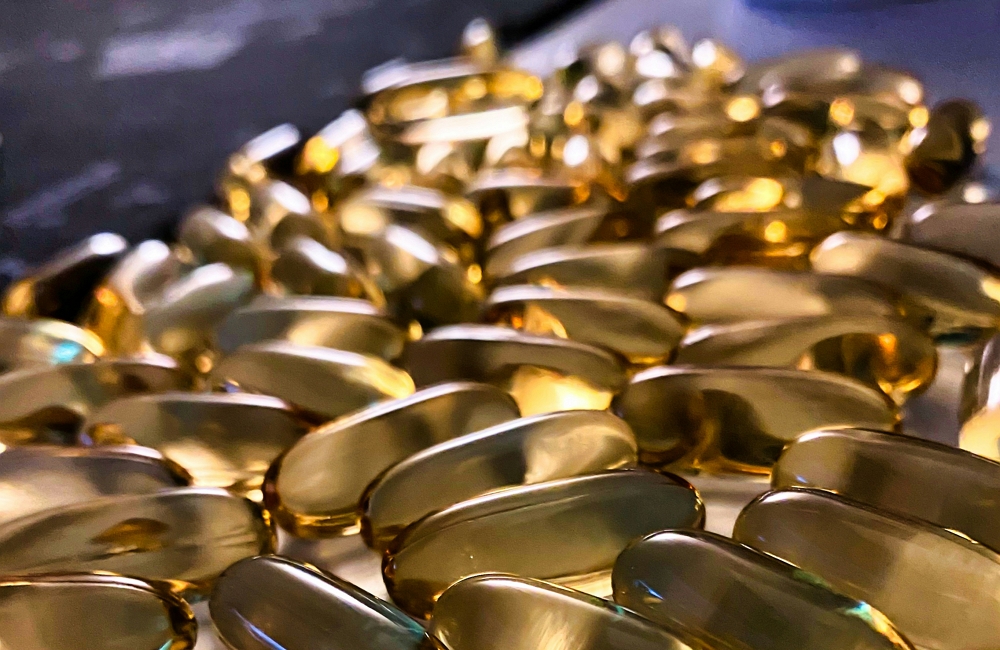
Softgel capsules should look smooth, clear, or slightly amber depending on the formula. Signs of spoilage include:
- Cloudy or darkened oil inside
- Sticky or leaking capsules
- Brittle, cracked, or deformed softgels
These physical changes often suggest that the protective barrier has been compromised, allowing oxygen to enter and speed up oxidation.
4. Digestive discomfort after use
While not always immediate, some people notice mild nausea, burping, or stomach discomfort after consuming degraded fish oil. Although fish oil naturally has a distinctive aftertaste, a sudden change in how your body reacts can be a warning sign that the product is no longer in optimal condition.
5. Reduced perceived effectiveness
Although harder to measure directly, some users feel that older or improperly stored fish oil supplements are less effective over time. This is not always noticeable in the short term, but it reinforces the importance of freshness and proper handling.
Transition to manufacturing quality
Custom Fish Oil Capsule Manufacturing Starts Here
Need a trusted partner for fish oil supplements production? Innova Nutra provides OEM/ODM manufacturing, custom formulations, and quality-focused production support for growing supplement brands.
It’s worth noting that many of these issues are not just related to how consumers store the product, but also how well the capsules are manufactured in the first place. High-quality encapsulation, oxygen control during filling, and stable raw material handling all play a key role in preventing early oxidation.
This is where experienced manufacturers like Innova Nutra come in. With advanced softgel production capabilities and strict quality control systems, they focus on improving stability from the very beginning of the production process—helping ensure that fish oil capsules remain fresh, consistent, and reliable throughout their shelf life.
How to Store Fish Oil Supplements for Maximum Freshness?
Proper storage plays a major role in keeping fish oil capsules fresh and preventing oxidation. Even high-quality fish oil supplements can degrade quickly if they are exposed to heat, light, or air for extended periods. Below are key practical guidelines to help maintain product stability and effectiveness.
1. Store in a cool, dry place
Fish oil is highly sensitive to temperature. Ideally, capsules should be kept in a cool environment below room temperature. Heat accelerates oxidation, which can reduce the quality of omega 3 fish oil capsules over time. A pantry or closed cabinet away from appliances is usually a good choice. Avoid placing supplements near stoves, ovens, or windows where temperatures fluctuate.
2. Avoid moisture and humidity
Humidity can damage both the capsule shell and the oil inside. Bathrooms and kitchens are common storage mistakes because steam and moisture can weaken softgels. Once moisture enters the container, it may shorten the shelf life of fish oil supplements and increase the risk of spoilage.
3. Protect from light exposure
Light, especially direct sunlight, speeds up oxidation. That’s why most high-quality fish oil products come in dark or opaque bottles. Always keep containers tightly closed and stored in a shaded area. This is especially important for sensitive formulations like a fish oil supplement for skin, where freshness directly affects perceived quality.
4. Refrigeration: is it necessary?
Refrigeration is not always required, but it can help extend freshness, especially after opening. Cold temperatures slow down oxidation and may reduce fishy aftertaste. However, always check label instructions, as some products may become cloudy or slightly thicker when refrigerated—this is normal and does not affect safety.
5. Pay attention to packaging quality
Storage effectiveness also depends on the packaging itself. High-quality products often use:
- Airtight sealing technology
- Oxygen-barrier softgel capsules
- Dark glass or UV-protected bottles
These features help maintain stability even before the bottle is opened.

6. Choosing a better-quality supplement matters
When selecting the best type of fish oil supplement, storage stability should be considered alongside purity and concentration. Well-formulated products tend to resist oxidation better due to refined raw materials and added antioxidants. Similarly, those searching for the best omega 3 supplement for men should prioritize products with strong packaging protection and clear storage guidance, not just high EPA and DHA content.
Conclusion
So, do fish oil capsules expire? The answer is yes—but the real story is more about quality preservation than a simple date on the bottle. Like all fish oil supplements, these products are sensitive to heat, light, oxygen, and moisture, which means their freshness can change depending on how they are stored and handled over time.
When choosing omega 3 fish oil capsules, it’s not only about potency or dosage. Factors like manufacturing quality, antioxidant protection, and packaging design all play a role in maintaining stability. Even the best type of fish oil supplement can lose effectiveness if it is exposed to poor storage conditions, while well-protected products may stay fresh until their expiration date.
From a consumer perspective, understanding how to recognize spoilage—such as off smells, unusual taste, or changes in capsule appearance—can help avoid using degraded products. At the same time, proper storage practices like keeping supplements in a cool, dry, and dark place can significantly extend their usable life.
For those targeting specific needs, whether it’s a general wellness routine, a fish oil supplement for skin, or selecting the best omega 3 supplement for men, freshness should always be part of the decision-making process. A high-quality product is only as good as its stability over time.
Ultimately, fish oil is most effective when it is both well-formulated and well-preserved. This is why working with experienced manufacturers matters. Companies like Innova Nutra focus on advanced encapsulation technology and strict quality control to help ensure that fish oil capsules remain stable, consistent, and reliable from production to consumption.
Launch Your Fish Oil Supplement Brand
Need a trusted partner for fish oil supplements production? Innova Nutra provides OEM/ODM manufacturing, custom formulations, and quality-focused production support for growing supplement brands.