Choosing the right supplement manufacturer is one of the most critical decisions for any brand entering or expanding in the dietary supplement market. Whether you are launching a new product line or scaling an existing one, the manufacturer you partner with will directly impact product quality, compliance, timelines, and ultimately your brand reputation.
With the global supplement industry becoming increasingly competitive, businesses now face a wide range of options — from a custom supplement manufacturer offering tailored formulations to a private label supplement manufacturer providing ready-to-market solutions. At the same time, many companies explore supplement contract manufacturing services to balance flexibility, scalability, and cost efficiency.
In reality, manufacturing standards can vary widely between suppliers. Differences in certifications, production capabilities, raw material sourcing, quality control systems, and communication efficiency can significantly affect your project outcomes. A professional vitamin supplement manufacturer should not only provide production services but also demonstrate transparency, regulatory knowledge, and long-term partnership capability.
In this guide, we will break down the key factors to consider when selecting a reliable contract supplement manufacturer, helping you minimize risks and build a strong, sustainable manufacturing partnership.
Certifications, Compliance, and Quality Control Standards
Before evaluating pricing or customization options, the first step in choosing a reliable supplement manufacturer is verifying compliance and quality systems. Regulatory alignment is the foundation of safe, consistent, and legally marketable products.
GMP and Regulatory Compliance
A qualified manufacturer should operate under recognized Good Manufacturing Practices (GMP). This ensures controlled production processes, standardized documentation, and traceable batch records. For brands targeting the U.S. market, FDA registration and compliance with 21 CFR Part 111 are essential. For other regions, alignment with local regulatory frameworks must also be confirmed.
Working with an experienced partner can simplify this process, as established manufacturers typically provide documentation packages to support audits and distributor requirements.
Ingredient Verification and Supplier Control
The quality of raw materials plays a critical role in the safety and stability of the final product. A professional vitamin supplement manufacturer should implement supplier qualification programs, identity testing, and contamination screening for heavy metals and microbes. Certificates of Analysis (COAs) should be available for each batch.
Transparent sourcing and traceability systems reduce recall risks and protect brand credibility. When evaluating manufacturers, ask about their raw material approval procedures and how they document incoming inspections.
In-Process Testing and Batch Consistency
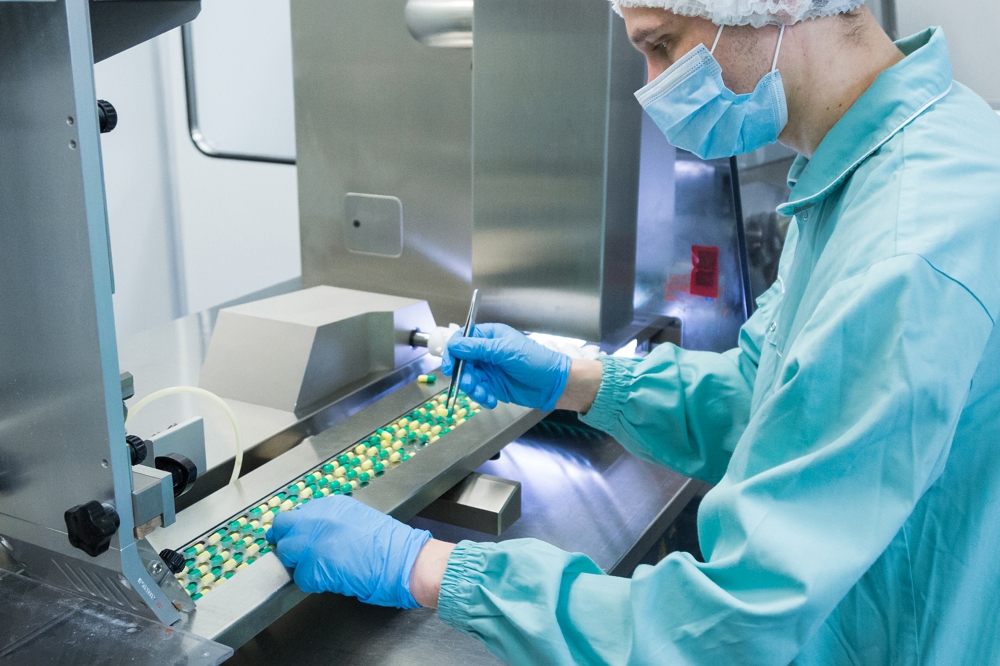
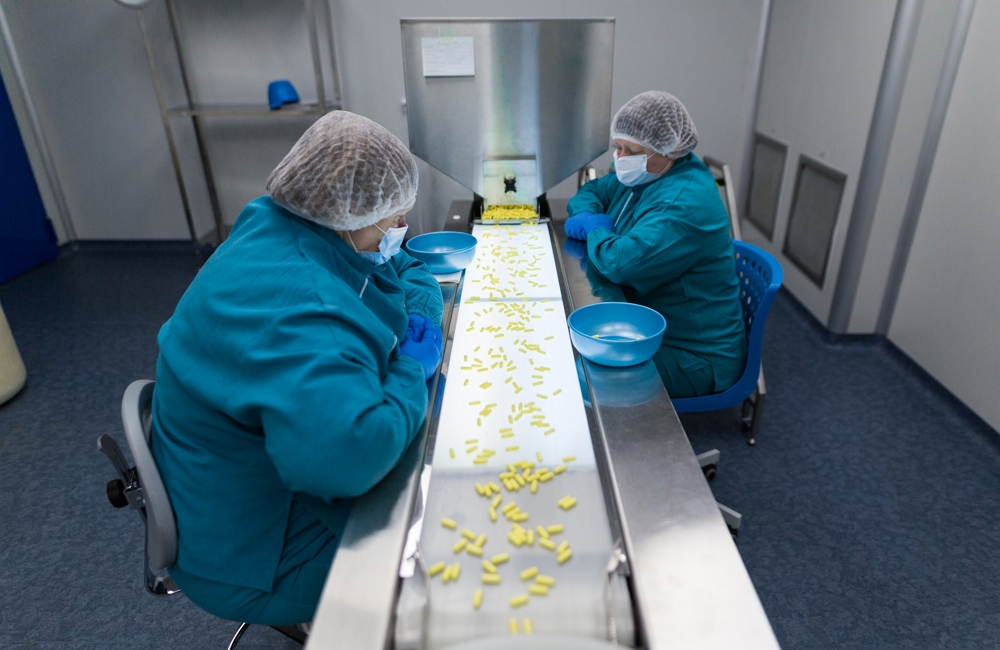
Effective quality control goes far beyond simply checking incoming ingredients. Reliable facilities perform in-process checks during blending, encapsulation, compression, or filling stages. Finished products should undergo potency verification, microbial testing, and stability studies to validate shelf life.
A manufacturer with structured quality systems—like Innova Nutra—typically maintains standardized operating procedures and detailed batch production records. These systems ensure product consistency across capsules, tablets, softgels, and powders.
In short, compliance is not optional. A dependable contract supplement manufacturer demonstrates regulatory knowledge, transparent documentation, and disciplined quality control at every production stage.

Manufacturing Capabilities and Customization Flexibility
Once basic compliance and quality standards are verified, the next step is to evaluate the manufacturer’s actual production capabilities. A strong manufacturing partner should not only meet regulatory requirements but also offer the technical flexibility needed for different product formats and brand strategies. Production strength is not only about equipment — it reflects technical expertise, formulation knowledge, scalability, and the ability to adapt to changing brand strategies.
Multi-Dosage Manufacturing Expertise
A competitive manufacturer should support multiple dosage forms under one integrated production system. Capsules, tablets, softgels, powders, and gummies each require different technologies, environmental controls, and quality procedures. A factory that can manage several formats internally reduces the need for outsourcing and helps maintain consistent standards across product lines.
For example, capsule production requires precise blending and encapsulation control to ensure uniform fill weight and stability. Tablet manufacturing involves compression accuracy and hardness testing. Softgel production demands expertise in gelatin formulation, encapsulation timing, and drying processes. Powder manufacturing requires strict control over particle size distribution and moisture levels.
Manufacturers like Innova Nutra invest in diversified production lines to accommodate these technical differences, enabling brands to expand into new formats without changing partners. This flexibility supports portfolio growth while maintaining consistent quality oversight.
Custom Formulation and Technical Support
True supplement contract manufacturing goes beyond processing raw materials. A capable custom supplement manufacturer should provide formulation guidance, ingredient compatibility assessment, and dosage optimization. This is especially important when developing proprietary blends or targeting competitive market niches.
Technical teams should be able to evaluate active ingredient stability, suggest alternative raw materials when necessary, and optimize formulas for cost efficiency without compromising quality. R&D capability also helps brands adjust formulations based on evolving regulatory standards or supply chain fluctuations.
Innova Nutra supports formulation development with structured testing and evaluation processes, allowing brands to move from concept to production with greater confidence. The presence of an internal technical team reduces delays and minimizes reformulation risks during scaling.
Scalability and Production Efficiency
Manufacturing flexibility also involves scalability. A reliable contract supplement manufacturer should handle both small pilot runs and large-volume orders efficiently. Automation levels, equipment redundancy, and production scheduling systems all influence output capacity.
As brands grow, demand fluctuations become common. The ability to increase production without sacrificing lead times or quality consistency is critical. Facilities with multiple production lines and standardized operating procedures are better positioned to manage seasonal demand spikes or multi-SKU projects simultaneously.
In practice, strong manufacturing capability means the factory can adapt as your product line grows. Selecting a partner with technical depth, diversified dosage expertise, and scalable systems ensures your brand can evolve without operational disruption.
Communication, MOQ, and Project Management
Technical strength alone does not guarantee a successful partnership. Clear communication and transparent processes are equally important when selecting a contract supplement manufacturer.
Clear MOQ and Pricing Structure
Minimum order quantities (MOQs) significantly influence budgeting and inventory planning. Startups may require lower MOQs, while larger brands prioritize cost efficiency at scale. A reliable manufacturer clearly explains pricing components—raw materials, packaging, testing, and production fees—without hidden charges.
Transparent quotation systems reduce misunderstandings and speed up decision-making.
Project Management and Responsiveness
Timely communication affects sampling, label revisions, and production scheduling. A professional supplement manufacturer should provide a dedicated contact person or project manager to streamline coordination.
Response speed, clarity in documentation, and structured production timelines reflect internal organization. Manufacturers such as Innova Nutra emphasize coordinated communication to minimize delays and ensure alignment between formulation, design, and production teams.
Documentation and Production Visibility
Operational transparency builds trust. Brands should request production timelines, sample approval workflows, and quality documentation in advance. Clear procedures for revisions, reworks, or delays prevent unnecessary friction.
A structured workflow—from formula confirmation to final shipment—demonstrates maturity. Strong communication systems reduce costly mistakes and foster long-term collaboration.
Experience, Industry Reputation, and Long-Term Partnership
Beyond immediate production needs, brands should evaluate whether a manufacturer can support sustainable growth.
Industry Experience and Market Knowledge
A seasoned vitamin supplement manufacturer understands regulatory updates, ingredient trends, and evolving consumer demands. This experience allows proactive guidance rather than reactive problem-solving.
Manufacturers with diverse client portfolios often possess broader formulation insight and operational flexibility.
Client Case Transparency
Reputable manufacturers are willing to discuss past projects (within confidentiality limits), share anonymized case studies, or provide references. Consistency across multiple product categories signals operational reliability.
Innova Nutra often showcase multi-format manufacturing capabilities, reflecting broader technical expertise.
Stability and Long-Term Vision
Switching manufacturers can be costly and disruptive. Therefore, financial stability, infrastructure investment, and expansion capability matter. A dependable private label supplement manufacturer should demonstrate clear growth strategies and continuous facility upgrades.
Strategic partnerships extend beyond transactional production. Choosing a stable organization—such as Innova Nutra—can provide continuity across product launches, reformulations, and international expansion.
In the long run, reliability is measured not only by product quality but by consistency, adaptability, and partnership mindset.
Conclusion
Selecting the right supplement manufacturer is not simply about finding a supplier — it is about building a strategic partnership that supports your brand’s long-term growth. From regulatory compliance to formulation expertise, every detail plays a crucial role in product consistency and market success.
A trustworthy contract supplement manufacturer should offer transparent production processes, clear documentation, and reliable timelines. Whether you require fully customized formulations from a custom supplement manufacturer or faster market entry through a private label supplement manufacturer, the key is aligning their capabilities with your brand vision and business model.
Additionally, evaluating experience in supplement contract manufacturing, particularly within your target market, can reduce costly mistakes and compliance risks. An experienced vitamin supplement manufacturer will understand ingredient sourcing standards, labeling requirements, and quality assurance procedures that protect both your customers and your brand reputation.
Ultimately, choosing the right manufacturing partner is an investment in product integrity, operational efficiency, and sustainable growth. By carefully assessing certifications, production capacity, flexibility, and communication standards, you can confidently select a partner that supports your brand not just for one product launch — but for years to come.
Find the Right Supplement Manufacturer for Your Brand Today
Ready to launch your supplement line? Fill out our quick form and let our team guide you to a trusted, FDA-registered manufacturer. From capsules to powders, we simplify the process so you can focus on growing your brand.