

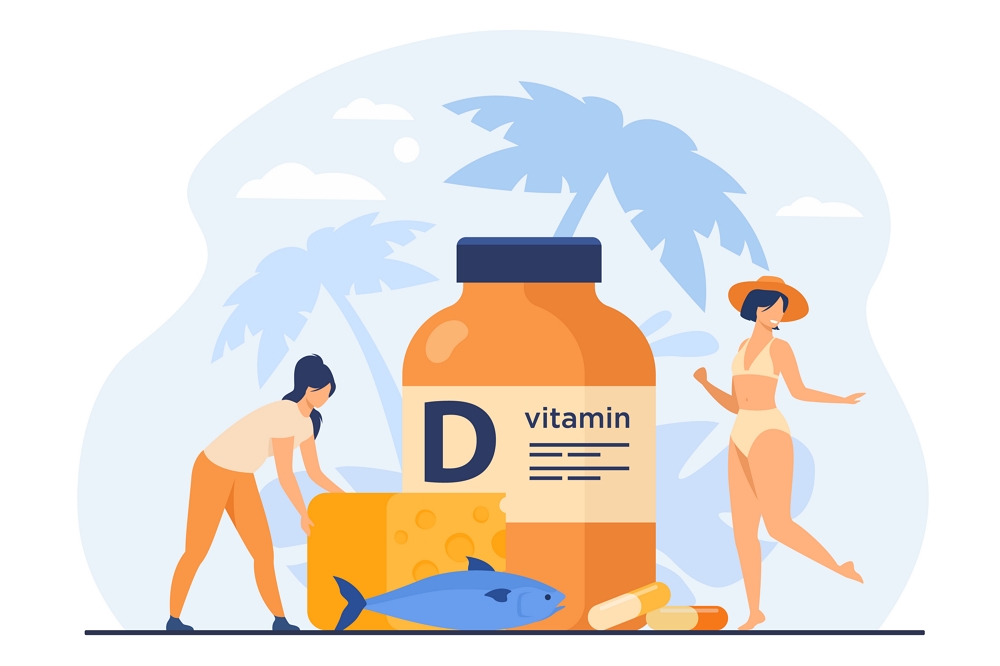
Can vitamin D and iron supplements be taken together? Many people wonder about this, especially those who take multiple nutrients daily or are managing low iron levels or insufficient vitamin D. With growing interest in nutritional health, combining supplements—like vitamin D with iron for women or general iron formulas—has become increasingly common. But questions about safety, compatibility, and how these nutrients are absorbed often come up.
Understanding how vitamin D and iron work in the body is important before taking them together. Each plays a unique role: vitamin D helps regulate calcium, supports the immune system, and influences cellular processes, while iron is essential for oxygen transport and red blood cell formation. Although they affect different systems, they can interact in ways that influence absorption and metabolism.
The popularity of combination supplements, including vitamin D with iron tablets, has raised more interest in whether these nutrients can safely coexist in a single regimen. Some people prefer the convenience of one combined supplement rather than managing multiple capsules. Others may already take a standalone vitamin D supplement while also using iron supplements, particularly during life stages when iron needs are higher.
While vitamin D and iron don’t directly compete for absorption in the intestines like some other minerals do, factors such as timing, dosage, and individual health status can affect how well the body uses them. Understanding these details can help people make smarter choices about when and how to take their supplements.
In this article, we’ll explore whether it’s safe to take vitamin D and iron together, how these nutrients interact, and what research shows about their absorption. We’ll also look at who might benefit from a combined supplement, how vitamin D and iron tablets are formulated, and when separate dosing might be better. With the right approach, you can align your supplementation with your nutritional goals.
How Vitamin D and Iron Affect Each Other in the Body?
Knowing how vitamin D and iron work individually can help you decide if taking them together is appropriate. Although they support different biological systems, their roles intersect in subtle but meaningful ways, particularly in cellular regulation and overall nutrient balance.
Bring Your Vitamin Supplement Idea to Market
Whether you are developing capsules, tablets, or other supplement formats, Innova Nutra provides U.S.-based manufacturing solutions to help brands create high-quality products from concept to finished product.
1. The Biological Role of Vitamin D
Vitamin D is a fat-soluble nutrient that acts more like a hormone than a traditional vitamin. Once consumed through a vitamin D supplement or obtained from sunlight exposure, it undergoes activation in the liver and kidneys before becoming biologically active.
Its primary function involves regulating calcium and phosphorus balance, which supports bone structure and mineralization. However, vitamin D receptors are present in many tissues throughout the body, indicating broader regulatory responsibilities. These include involvement in immune modulation, cellular differentiation, and gene expression.
Vitamin D affects many metabolic pathways, and some studies suggest it may indirectly influence how the body handles iron. While it does not transport iron directly, vitamin D contributes to hormonal signaling mechanisms that may influence iron regulation at the systemic level.

2. The Physiological Importance of Iron
Iron is an essential trace mineral required for oxygen transport and energy metabolism. It forms a central component of hemoglobin in red blood cells, allowing oxygen to move efficiently from the lungs to tissues. Iron also supports myoglobin in muscles and contributes to enzymatic reactions involved in cellular respiration.
Certain populations, especially women of reproductive age, often use iron supplements to maintain adequate iron levels. Since iron cannot be synthesized by the body, sufficient dietary intake or supplementation is necessary to prevent deficiency.
Unlike vitamin D, iron absorption occurs primarily in the small intestine and is influenced by factors such as stomach acidity, dietary composition, and overall iron status. This raises questions about whether taking vitamin D and iron together alters iron utilization. Current evidence suggests they do not compete directly for the same absorption transporters.
3. Regulatory Overlap Between Vitamin D and Iron
Even though vitamin D and iron work in different parts of the body, research shows they may be connected in how the body manages nutrients. Vitamin D may influence the expression of hepcidin, a hormone that controls iron distribution and storage. This is where discussions of Vitamin D and iron absorption become more relevant from a scientific perspective.
When considering a combined vitamin D and iron supplement or vitamin D with iron tablets, it is helpful to understand that these nutrients do not inherently block each other’s uptake. Instead, they function through separate biochemical systems that may complement overall nutritional balance when appropriately dosed.
For brands developing combination formulas, careful attention to dosage, stability, and bioavailability is essential. Manufacturers like Innova Nutra focus on evidence-based formulation strategies when producing supplements, including dedicated Vitamin D product lines. By aligning ingredient science with quality manufacturing standards, companies can support safe and practical options for those considering vitamin D and iron together as part of a broader supplementation routine.
Vitamin D and Iron Absorption: What Science Says
When evaluating whether it is appropriate to take vitamin D and iron together, one of the most important considerations is how each nutrient is absorbed and regulated in the body. While vitamin D and iron serve different biological functions, scientific research has explored potential connections between them—particularly in relation to Vitamin D and iron absorption.
1. How Iron Is Absorbed in the Body
Iron absorption primarily occurs in the duodenum and upper small intestine. Dietary iron exists in two forms: heme iron (from animal sources) and non-heme iron (from plant sources and most supplements). Heme iron is absorbed more efficiently, while non-heme iron is more sensitive to dietary inhibitors and enhancers.
The body tightly regulates iron uptake through a hormone called hepcidin, which controls how much iron is absorbed and released from storage sites. When iron levels are sufficient, hepcidin rises to reduce absorption. When iron levels are low, hepcidin decreases, allowing more iron to enter circulation. This regulatory system is central to understanding Vitamin D and iron absorption, because vitamin D may influence hepcidin expression under certain physiological conditions.
For individuals taking iron supplements for women or general iron formulas, factors such as stomach acidity, timing with meals, and interactions with other minerals (like calcium) can affect absorption efficiency. Notably, vitamin D does not share the same intestinal transporters as iron, reducing the likelihood of direct competition when taking vitamin D and iron together.
2. How Vitamin D Is Absorbed and Activated
A vitamin D supplement is absorbed in the small intestine along with dietary fats, as it is a fat-soluble nutrient. After absorption, vitamin D undergoes two activation steps in the liver and kidneys before becoming biologically active.
Unlike minerals, vitamin D does not rely on mineral transport proteins for uptake. Instead, its absorption depends more on fat digestion and bile secretion. This separate pathway helps explain why combining a vitamin D and iron supplement does not inherently reduce iron bioavailability through direct transporter competition.
3. The Scientific Link Between Vitamin D and Iron Regulation
Research investigating Vitamin D and iron absorption has identified a potential indirect relationship through hepcidin regulation. Some studies suggest that vitamin D may suppress excessive hepcidin production under inflammatory conditions. Since elevated hepcidin can block iron absorption, this has led researchers to explore whether adequate vitamin D status may support balanced iron metabolism.
However, this relationship appears to be regulatory rather than competitive. In practical supplementation terms, taking vitamin D with iron tablets does not typically impair iron uptake in healthy individuals. Instead, the two nutrients function through largely independent physiological systems.
Overall, current scientific evidence indicates that taking vitamin D and iron together is generally acceptable for most people when doses are appropriate. While ongoing research continues to examine the nuanced connection between vitamin D status and iron balance, existing data do not show significant negative interactions in standard supplementation practices.
Is It Safe to Take Vitamin D and Iron Together?
For individuals managing multiple nutrient needs, a common concern is whether taking vitamin D and iron together is safe. Since both nutrients are widely used—often in the form of a vitamin D supplement and iron supplements for women—understanding their compatibility is essential. Based on current nutritional science, the combination is generally considered safe for most healthy adults when taken within recommended dosage ranges.
No Direct Absorption Conflict
One of the primary safety considerations with combined supplementation is nutrient competition. Some minerals, such as calcium and iron, may compete for similar transport mechanisms in the intestine. However, vitamin D is not a mineral—it is a fat-soluble vitamin absorbed alongside dietary fats.
Because of this distinction, there is no direct competition in the intestinal transport pathways when taking vitamin D and iron together. This is why many formulations, including vitamin D with iron tablets, are designed without significant concern for absorption interference. Research exploring Vitamin D and iron absorption has not demonstrated harmful interactions in healthy individuals using standard doses.
Regulatory Considerations and Hormonal Balance
Vitamin D plays a role in gene expression and immune regulation, while iron is tightly controlled by the hormone hepcidin. Some studies suggest vitamin D may influence hepcidin activity under certain physiological conditions, which is why discussions about Vitamin D and iron absorption continue in academic literature.
Importantly, this regulatory relationship does not imply toxicity or danger when combining supplements. Instead, it reflects the body’s complex nutrient balance system. For most individuals using a vitamin D supplement alongside iron, the interaction remains physiologically neutral or potentially supportive rather than harmful.
Safe Dosage Matters
Safety depends less on the combination itself and more on dosage. Excessive intake of either nutrient may cause complications independently. High iron intake can lead to gastrointestinal discomfort or iron overload in susceptible individuals. Similarly, excessive vitamin D intake may cause elevated calcium levels.
When using a vitamin D and iron supplement, it is important to follow established daily intake guidelines and, when possible, base supplementation on laboratory testing. This is especially relevant for those relying on iron supplements for women, where iron requirements may vary depending on age and physiological status.
Individual Health Conditions
Although taking vitamin D and iron together is generally safe, certain medical conditions warrant caution. Individuals with hemochromatosis, chronic kidney disease, or malabsorption disorders should consult healthcare professionals before combining supplements. In such cases, personalized guidance ensures that both nutrients are used appropriately and safely.
For supplement brands developing combination products like vitamin D with iron tablets, safety also depends on formulation precision, ingredient sourcing, and manufacturing quality. Experienced manufacturers such as Innova Nutra offer scalable production capabilities across tablets, capsules, and custom blends, ensuring accurate dosing, standardized processes, and compliance with quality standards. This level of manufacturing expertise supports the safe and reliable production of vitamin D and iron supplement formulations designed to meet evolving market demands.
Who May Need Vitamin D and Iron Supplementation?
Understanding who may benefit from taking vitamin D and iron together requires examining nutritional risk factors, lifestyle patterns, and physiological demands. While not everyone requires supplementation, certain populations are more likely to experience low levels of one or both nutrients.
1. Women of Reproductive Age
Women are among the most common users of iron supplements for women, particularly during menstruating years when iron loss is higher. At the same time, modern indoor lifestyles and limited sun exposure increase the likelihood of insufficient vitamin D levels.
For women with documented deficiencies, combining a vitamin D supplement with iron may be a practical strategy. In some cases, healthcare providers may recommend a vitamin D and iron supplement to simplify daily intake and improve consistency.
2. Individuals with Limited Sun Exposure
Vitamin D deficiency is more prevalent in people who spend little time outdoors, live in northern climates, or use consistent sun protection. Since vitamin D is synthesized through skin exposure to sunlight, reduced UV exposure can lower natural production.
If such individuals also consume low-iron diets—particularly plant-based diets with predominantly non-heme iron—they may face compounded risks. This makes the discussion of Vitamin D and iron absorption especially relevant when evaluating combined nutritional strategies.
3. Pregnant or Postpartum Individuals
Pregnancy significantly increases iron requirements due to expanded blood volume and fetal development. Vitamin D needs may also rise during this period. As a result, healthcare providers sometimes evaluate whether taking vitamin D and iron together supports broader nutritional balance.
While supplementation decisions should always be individualized, combination products like vitamin D with iron tablets may be considered when both nutrients are indicated.
4. Individuals with Documented Deficiencies
Laboratory testing remains the most reliable way to determine need. Low ferritin or hemoglobin levels may indicate iron deficiency, while serum 25-hydroxyvitamin D tests assess vitamin D status.
When deficiencies coexist, a coordinated approach using both a vitamin D supplement and iron may be appropriate. In such cases, understanding Vitamin D and iron absorption helps clarify that combining these nutrients does not typically create direct competition in the gut.
Should You Choose a Combined Vitamin D and Iron Supplement?
Once the need for supplementation is established, the next decision is whether to take separate products or a combined vitamin D and iron supplement.
1. Convenience and Compliance
One major advantage of combination formulas, including vitamin D with iron tablets, is convenience. Fewer pills can improve adherence, particularly for individuals managing busy routines.
For those already planning to take vitamin D and iron together, a single product may reduce the likelihood of missed doses.
2. Formulation Balance
A well-designed vitamin D and iron supplement carefully considers dosage ratios. Because iron and vitamin D have different recommended intake levels, proper formulation ensures neither nutrient exceeds safe thresholds.
Scientific discussions around Vitamin D and iron absorption indicate no major direct absorption conflict, making combined formulations technically feasible when properly dosed.
3. Flexibility vs. Customization
Separate supplements allow flexible dose adjustments. For example, someone may require higher iron intake but only a moderate vitamin D supplement dose. In such cases, separate products may offer better personalization.
On the other hand, individuals with stable, moderate requirements for both nutrients may find vitamin D with iron tablets sufficient and practical.
Ultimately, the choice depends on laboratory results, dietary intake, and personal preference rather than concerns about incompatibility.

Timing and Dosage Considerations for Vitamin D and Iron Together
When deciding to take vitamin D and iron together, timing and dosage strategy can play an important role in optimizing tolerance and supporting effective nutrient utilization. Although current research suggests there is no major direct absorption conflict between the two, thoughtful planning can improve overall supplementation outcomes.
1. Understanding Iron Absorption Dynamics
Iron absorption is influenced by several dietary and physiological factors. Non-heme iron, commonly found in supplements and plant-based foods, is more sensitive to inhibitors such as calcium, phytates, and certain polyphenols. For this reason, iron is often recommended on an empty stomach to maximize uptake.
However, some individuals experience mild gastrointestinal discomfort when taking iron without food. In these cases, a small meal may improve tolerance, even if absorption is slightly reduced. When taking vitamin D and iron together, it is important to avoid pairing iron with high-calcium meals, as calcium has a more documented inhibitory effect than vitamin D itself. Research on Vitamin D and iron absorption shows that vitamin D does not directly compete with iron transporters in the intestine, making co-administration generally acceptable.
2. Vitamin D Absorption and Meal Composition
A vitamin D supplement is fat-soluble, meaning it absorbs more efficiently when consumed with dietary fat. Unlike iron, vitamin D does not depend on mineral transport proteins in the gut. Instead, it is incorporated into micelles during fat digestion and absorbed through the intestinal lining.
Because of this difference, individuals taking vitamin D and iron together may benefit from consuming them with a light meal that includes moderate fat but is not high in calcium. This approach can support vitamin D uptake while minimizing potential iron absorption inhibitors. For those using vitamin D with iron tablets, this balanced timing strategy can be both practical and effective.
3. Dosage Alignment with Recommended Intakes
Safety depends heavily on dosage. Iron intake should align with age, sex, and physiological needs. For example, iron supplements for women are often formulated to reflect higher requirements during reproductive years. Excessive iron intake without medical supervision can lead to gastrointestinal distress or iron overload in susceptible individuals.
Similarly, while a vitamin D supplement is widely used, very high doses over time may affect calcium balance. When choosing a vitamin D and iron supplement, it is important that both nutrients fall within established dietary reference ranges unless otherwise directed by a healthcare provider.
4. Divided vs. Single Dosing Strategies
Some individuals prefer dividing doses throughout the day, particularly if higher iron amounts are required. Others may opt for a single daily combined product. Current evidence surrounding Vitamin D and iron absorption does not indicate that separating the two is necessary for most healthy individuals. Therefore, taking vitamin D and iron together once daily is typically acceptable when doses are moderate.
5. Individual Health Considerations
Personal health status matters. Individuals with digestive disorders, chronic inflammation, or conditions affecting iron metabolism may require tailored guidance. Laboratory testing—such as ferritin, hemoglobin, and serum 25-hydroxyvitamin D—can help determine whether dosage adjustments are needed.
In summary, most people can safely take vitamin D and iron together when attention is given to meal composition, appropriate dosing, and personal nutritional status. Because vitamin D and iron rely on different absorption pathways, timing strategies focus more on maximizing individual nutrient efficiency rather than preventing direct interaction.
Practical Guidelines for Using Vitamin D with Iron Tablets
When incorporating vitamin D with iron tablets into a daily routine, a structured approach helps ensure both safety and consistency. While research indicates that taking vitamin D and iron together is generally acceptable, practical application depends on dosage accuracy, timing, and long-term monitoring.
1. Confirm the Need Before Starting
Before beginning a combined regimen, laboratory testing is strongly recommended. Serum 25-hydroxyvitamin D levels help determine whether a vitamin D supplement is necessary, while ferritin and hemoglobin levels assess iron status.
For individuals already using iron supplements for women, adding vitamin D may be appropriate if deficiency is confirmed. Understanding baseline levels helps prevent unnecessary over-supplementation and supports informed use of a vitamin D and iron supplement.
2. Follow Structured Daily Timing
Although Vitamin D and iron absorption occur through different mechanisms, timing still influences efficiency and tolerance. A practical approach is to take vitamin D with iron tablets with a light meal that contains moderate fat but limited calcium. This supports vitamin D absorption while avoiding common iron absorption inhibitors.
Below is a general timing reference guide:
Consideration | Recommendation | Reason |
With or without food | Light meal preferred | Improves vitamin D absorption and reduces iron discomfort |
Calcium-rich meals | Avoid taking together | Calcium may reduce iron absorption |
Vitamin C intake | Can be combined | Supports non-heme iron uptake |
High-fiber foods | Separate timing if possible | Phytates may reduce iron absorption |
Daily consistency | Same time each day | Supports routine and adherence |
This structure allows individuals to take vitamin D and iron together without compromising absorption efficiency.
3. Monitor Dosage Carefully
When using a combined vitamin D and iron supplement, always verify that both nutrients fall within recommended daily intake ranges. Iron needs vary by age and physiological status, which is why formulations labeled as iron supplements for women often differ from general adult products.
Similarly, a vitamin D supplement may range widely in potency. Excessive intake of either nutrient should be avoided unless medically supervised. Ongoing evaluation of Vitamin D and iron absorption research reinforces that balanced dosing—not separation—is the key factor in safe co-supplementation.
4. Watch for Tolerance and Adjust if Needed
Some individuals may experience mild gastrointestinal discomfort from iron. If this occurs, adjusting meal timing or dividing doses may improve tolerance. Since vitamin D does not directly interfere with iron transport pathways, modifying dosage rather than separating nutrients is usually sufficient.
5. Quality and Manufacturing Standards Matter
The effectiveness of vitamin D with iron tablets also depends on formulation precision and tablet quality. Factors such as uniform blending, accurate compression, and stability testing influence product consistency and bioavailability.
Manufacturers like Innova Nutra specialize in advanced tablet production, offering scalable manufacturing, precise dosage control, and standardized quality systems. With expertise in custom nutrient combinations—including vitamin D and iron supplement formulations—their tablet manufacturing capabilities support reliable, well-balanced products designed for modern supplement markets.
Conclusion
So, can vitamin D and iron supplements be taken together? For most healthy adults, the answer is yes—when dosages are appropriate and suited to individual needs. Unlike some minerals that compete strongly for absorption, vitamin D and iron work through separate pathways, so taking them together is generally safe.
Some research suggests vitamin D may even help regulate iron metabolism through its effect on hepcidin, a hormone that controls iron balance. While this relationship is still being studied, it adds to the evidence that these nutrients do not inherently interfere with each other. Individuals with specific health conditions, digestive issues, or those taking high-dose supplements should still consult a healthcare professional before combining nutrients.
For many people, especially women who already take iron supplements, adding vitamin D can be an easy way to support overall health. Carefully formulated combination supplements or professionally designed vitamin D with iron tablets can improve convenience and adherence. Even when taking separate supplements, simple strategies like taking them with meals or spacing doses can help maximize absorption and minimize any potential discomfort.
It’s important to remember that supplements are just one part of a balanced nutritional approach. A varied diet, regular health check-ups, and awareness of personal nutrient needs all contribute to better outcomes. Ultimately, taking vitamin D and iron together is less about risk and more about making informed choices. Understanding how these nutrients work, considering timing and dosage, and aligning supplementation with personal health goals can help ensure safe, effective, and balanced support for long-term wellness.
Develop Your Vitamin D & Iron Supplement with Confidence
Looking to launch a vitamin D and iron tablet or capsule formula? Our experienced manufacturing team supports custom formulations, scalable production, and quality-controlled processes tailored to your brand. Share your project details through our inquiry form, and let’s bring your supplement concept to market efficiently.