
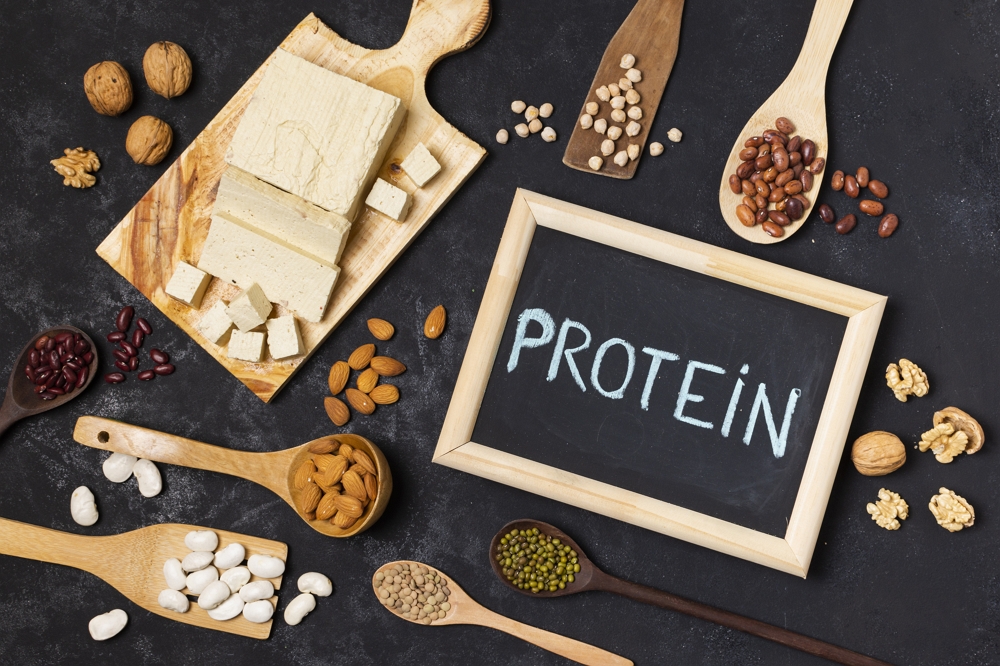
Over the past few years, protein supplements have moved well beyond the sports nutrition niche. Demand is now driven not only by fitness enthusiasts, but also by everyday consumers looking to support wellness, convenience, and specific dietary preferences such as plant-based eating. For brands entering this competitive market, deciding between whey and plant-based proteins is a crucial choice that influences both product formulation and manufacturing strategies. Whey protein has long been popular for its complete amino acid profile and fast absorption, while plant-based alternatives are gaining traction thanks to their allergen-free, vegan-friendly, and environmentally conscious qualities.
The differences between whey and plant protein extend beyond nutrition—they also affect production methods, ingredient sourcing, and regulatory considerations. Whey protein, sourced from dairy, is processed through steps like pasteurization, filtration, and drying to create a high-quality powder. Plant-based proteins, on the other hand, often blend multiple sources such as pea, rice, or hemp, requiring specialized extraction and mixing techniques to achieve a desirable taste and texture.
This article delves into the key manufacturing distinctions between whey and plant proteins, explores important factors for custom production, and offers practical insights for brands looking to make informed decisions. By understanding these processes, you can navigate the protein supplement market more effectively and create products that meet the expectations of today’s health-conscious consumers.
Understanding Whey Protein vs Plant Protein: An Overview
At a fundamental level, the comparison between whey protein vs plant protein goes beyond consumer preference—it reflects differences in raw materials, processing methods, and formulation flexibility that directly impact product quality and brand positioning. For supplement brands, understanding these distinctions is essential before committing to a specific protein source or manufacturing strategy.
Whey protein is a dairy-derived ingredient obtained as a byproduct of cheese production. Through advanced filtration techniques such as ultrafiltration or microfiltration, whey is processed into concentrates, isolates, or hydrolysates. This process preserves a complete amino acid profile, making whey protein highly bioavailable and popular among athletes and performance-focused consumers. From a manufacturing standpoint, whey protein manufacturing relies heavily on consistent dairy supply chains and strict allergen controls due to its milk origin.
In contrast, plant-based protein powder is sourced from ingredients like peas, brown rice, soy, or blends of multiple plants. Since most plant proteins are incomplete on their own, manufacturers often combine different sources to improve amino acid balance. Producing plant-based protein powders typically involves milling, protein extraction, and careful blending to optimize taste, solubility, and texture. These additional steps make formulation more complex but also offer brands greater flexibility to align with vegan, allergen-free, or sustainability-driven positioning.
From a brand perspective, the choice between whey and plant protein influences labeling, target markets, and scalability. Many brands work with a professional protein supplement manufacturer to evaluate which option best fits their goals. For those seeking faster market entry, private label protein powder solutions—whether whey-based or plant-based—provide a streamlined path with proven formulations and regulatory compliance already in place. OEM private label whey protein options are especially popular for sports nutrition brands looking to differentiate through branding rather than in-house production.
With these basic differences in mind, the next step is understanding how each protein type behaves in real-world manufacturing—where cost, scalability, and formulation challenges start to matter. To explore how your protein products can be developed and brought to market, visit Innova Nutra’s private label protein manufacturing page and learn more about available solutions.
Nutritional Profiles: Whey Protein vs Plant-Based Protein Powders
When comparing whey protein vs plant protein, nutritional profile is often the first factor brands evaluate. Protein quality, amino acid composition, digestibility, and functional benefits all influence how a product is positioned in the market and perceived by consumers.
1.Protein Quality and Amino Acid Composition
Whey protein is widely recognized as a complete protein, meaning it contains all nine essential amino acids in optimal proportions. It is particularly rich in branched-chain amino acids (BCAAs), especially leucine, which plays a key role in muscle protein synthesis. This makes whey protein a preferred choice for sports nutrition and performance-focused formulations.
Plant based protein powder, on the other hand, often relies on single or blended sources such as pea, rice, or soy. Most single-source plant proteins may lack one or more essential amino acids, which is why blends are commonly used. To address this, manufacturers commonly use multi-source blends to create a more balanced amino acid profile, which adds complexity but also flexibility in formulation.
2.Digestibility and Bioavailability
Digestibility is another major nutritional distinction in the whey protein vs plant protein comparison. Whey protein is highly digestible and rapidly absorbed, making it suitable for post-workout supplements and fast-acting protein products. From a whey protein manufacturing perspective, processing methods are designed to preserve protein integrity while maximizing bioavailability.
Plant-based proteins may have slightly lower digestibility due to natural fiber content or antinutritional factors. However, advances in processing technologies have significantly improved the absorption and solubility of modern plant-based protein powders, making them increasingly competitive in this area.
3.Micronutrients, Allergens, and Sensitivities
Whey protein naturally contains calcium and other dairy-related micronutrients but is also a common allergen. This requires clear labeling and allergen management during production. In contrast, plant-based protein powders are often perceived as gentler on digestion and suitable for lactose-intolerant or vegan consumers.
4.Implications for Brand Positioning and Product Strategy
For brands working with a protein supplement manufacturer, understanding these nutritional differences is critical. Whether choosing OEM private label whey protein for performance-driven products or developing private label protein powder solutions based on plants, nutritional profile directly shapes product claims, target audience, and long-term brand strategy.
The Manufacturing Process of Whey Protein: From Milk to Powder
From a manufacturing perspective, whey protein benefits from a long-established dairy infrastructure. What starts as liquid whey during cheese production can be reliably converted into powders with consistent protein levels, clean taste, and predictable functionality—one reason whey remains a staple in performance nutrition.
The process begins with raw milk, which is first pasteurized to ensure food safety. During cheese production, enzymes are added to separate curds from liquid whey. This liquid whey contains valuable proteins but also includes lactose, fats, and minerals that must be removed or reduced depending on the final product type.
Next comes filtration, a critical stage in whey protein manufacturing. Techniques such as ultrafiltration (UF) and microfiltration (MF) are used to concentrate protein content while removing unwanted components. This step determines whether the final ingredient becomes whey protein concentrate (WPC), whey protein isolate (WPI), or hydrolyzed whey protein. Each type offers different protein percentages, digestion rates, and formulation applications.
After filtration, the liquid whey protein undergoes spray drying, where it is rapidly dried into a fine powder under controlled temperatures. This step preserves protein integrity and ensures shelf stability. At this stage, flavoring, sweeteners, or functional ingredients may be added, especially for private label protein powder or OEM private label whey protein products designed for consumer-ready use.
Throughout the entire process, strict quality control measures are implemented by the protein supplement manufacturer. These include testing for protein content, microbiological safety, heavy metals, and allergen compliance. Because whey protein is milk-derived, allergen management and traceability are especially important for brands operating in regulated markets.
Key Stages in Whey Protein Manufacturing
Manufacturing Stage | Purpose | Brand Impact |
Pasteurization | Ensures food safety | Regulatory compliance |
Filtration (UF/MF) | Increases protein purity | Determines product type |
Spray Drying | Converts liquid to powder | Shelf stability |
Blending & Flavoring | Improves taste and function | Market differentiation |
Quality Testing | Verifies safety & consistency | Brand credibility |
For brands working with an experienced protein supplement manufacturer, this structured process ensures consistent quality and scalability. Understanding these steps also helps brands better evaluate whey protein manufacturing costs and compare them with plant-based protein production when developing a competitive product strategy.
How Plant-Based Protein Powder is Produced
Compared to whey protein manufacturing, the production of plant-based protein powder involves a more diverse range of raw materials and processing techniques. This complexity is one of the key distinctions in the whey protein vs plant protein discussion, particularly for brands targeting vegan, allergen-conscious, or sustainability-driven consumers.
The process begins with sourcing plant ingredients such as peas, soybeans, brown rice, hemp, or pumpkin seeds. Ingredient quality is critical at this stage, as protein content, flavor profile, and solubility vary significantly between plant sources. A reliable protein supplement manufacturer will often work closely with suppliers to ensure consistency, traceability, and compliance with food safety standards.
Once sourced, the raw materials are cleaned and milled into a fine flour. This flour then undergoes protein extraction, typically using either dry fractionation or wet extraction methods. Wet extraction is more common for producing high-protein isolates and involves separating protein from starch and fiber using water-based processing. While effective, this method requires careful control to avoid excessive heat or chemical exposure that could compromise protein functionality.
After extraction, the plant protein concentrate or isolate is neutralized and dried, often through spray drying, to form a stable powder. At this stage, the functional characteristics of plant-based protein powder—such as taste, texture, and solubility—become a major focus. Unlike whey protein, which naturally has a mild flavor and smooth mouthfeel, plant proteins may have earthy or bitter notes that require additional formulation work.
To address these challenges, manufacturers frequently use protein blending strategies. By combining complementary plant sources—such as pea protein with rice protein—brands can achieve a more complete amino acid profile while improving texture and palatability. This step is especially important for private label protein powder products, where consumer acceptance directly impacts brand success.
Flavoring, sweeteners, and functional ingredients may also be added during blending to enhance the final product. Because plant-based protein powders are often marketed as clean-label or allergen-free, formulation decisions must balance taste improvement with transparent labeling requirements.
Quality control remains essential throughout the production process. Protein content verification, microbiological testing, and heavy metal screening are standard procedures. For brands comparing whey protein vs plant protein, it’s worth noting that plant-based proteins may require additional testing due to variability in agricultural raw materials.
In practice, producing a high-quality plant-based protein powder requires technical expertise, advanced processing capabilities, and thoughtful formulation strategies. For brands planning their next protein launch, exploring private label and custom manufacturing options is an efficient way to move from concept to market with confidence.
Quality Control and Regulatory Considerations for Protein Supplements
Quality control and regulatory compliance play a critical role in protein supplement manufacturing, regardless of whether a brand chooses whey protein or plant-based protein powders. However, when comparing whey protein vs plant protein, the specific quality and compliance challenges differ due to ingredient origin, processing methods, and labeling requirements.
1.Raw Material Testing and Supplier Verification
The foundation of quality control begins with raw material sourcing. In whey protein manufacturing, this includes verifying dairy suppliers, ensuring consistent protein content, and managing milk-derived allergen risks. Each batch of whey must be tested for microbiological safety, protein concentration, and contaminants before entering production.
For plant-based protein powder, raw material testing can be even more complex. Plant proteins are sourced from agricultural crops, which introduces variability due to soil conditions, climate, and harvesting methods. A qualified protein supplement manufacturer conducts rigorous screening for pesticides, heavy metals, and microbial contamination to ensure consistency and safety.
2.Manufacturing Controls and Process Validation
During production, manufacturers implement standardized operating procedures to maintain batch-to-batch consistency. Whey protein manufacturing relies on tightly controlled filtration and drying parameters to preserve protein integrity. Small variations in temperature or filtration efficiency can affect solubility and nutritional quality.
Plant protein processing often requires additional controls during extraction and blending to manage flavor, texture, and amino acid balance. These steps must be validated to ensure the final product meets both functional and nutritional specifications.
3.Regulatory Compliance and Label Accuracy
Protein supplements must comply with dietary supplement regulations in target markets such as the U.S., EU, or Asia-Pacific regions. This includes adherence to GMP standards, accurate nutrition labeling, and approved ingredient usage. Claims related to protein content, amino acid profile, or allergen-free status must be scientifically substantiated.
Whey protein products require clear milk allergen declarations, while plant-based protein powders must ensure that vegan, non-GMO, or allergen-free claims are fully supported by documentation and testing.
4.Implications for Private Label and OEM Brands
For brands offering private label protein powder or OEM private label whey protein products, regulatory compliance is not optional—it directly impacts brand credibility and market access. Partnering with an experienced protein supplement manufacturer ensures that quality control systems, documentation, and audits are already in place, reducing risk while accelerating time to market.
Innova Nutra supports brands with GMP-compliant protein manufacturing and flexible private label solutions, helping bring high-quality whey and plant-based protein products to market with confidence.
Private Label Protein Powder: Advantages for Brands
As competition intensifies in the protein supplement market, private label protein powder has become an increasingly attractive option for brands comparing whey protein vs plant protein. Rather than investing heavily in in-house manufacturing, many companies choose private label solutions to reduce operational complexity while maintaining product quality and brand differentiation.
One of the key advantages of private label protein powder is speed to market. Established protein supplement manufacturers already have validated formulations, sourcing channels, and compliant production processes in place. Whether launching a whey-based formula or a plant-based protein powder, brands can significantly shorten development timelines and respond faster to market trends.
Cost efficiency is another major benefit. Whey protein manufacturing and plant protein processing both require specialized equipment, technical expertise, and strict quality controls. By leveraging private label or OEM private label whey protein solutions, brands avoid high capital investment while gaining access to scalable production capacity. This model is particularly beneficial for startups and growing brands aiming to test multiple SKUs without excessive financial risk.
Private label manufacturing also provides formulation flexibility. Brands can choose from different protein sources, protein concentrations, flavor systems, and functional add-ons. In the whey protein vs plant protein decision process, this flexibility allows brands to tailor products for distinct audiences—such as sports nutrition consumers seeking fast absorption or lifestyle-focused buyers preferring plant-based options.
Private Label vs In-House Manufacturing Comparison
Aspect | Private Label Protein Powder | In-House Manufacturing |
Initial Investment | Low | High |
Time to Market | Fast | Slow |
Regulatory Compliance | Manufacturer-managed | Brand-managed |
Scalability | High | Limited |
Formulation Flexibility | Medium to High | High (but costly) |
From a regulatory standpoint, private label protein powder solutions reduce compliance burden. Experienced manufacturers manage GMP standards, ingredient traceability, allergen controls, and documentation—critical for both whey protein manufacturing and plant-based protein production. This allows brands to focus on marketing, distribution, and customer engagement rather than production risk.
Ultimately, private label protein powder offers a strategic balance between control and efficiency. For brands evaluating whey protein vs plant protein, partnering with the right manufacturer can unlock faster growth without sacrificing product quality.
If you’re exploring private label protein solutions, Innova Nutra provides GMP-compliant whey and plant-based protein manufacturing with flexible customization options. Learn more about our private label capabilities and start building your protein product line by visiting our page at Innova Nutra.

Custom Production Options: Tailored Formulations and Supplement Solutions
As the protein supplement market becomes more segmented, brands are increasingly moving beyond standard formulations. Whether comparing whey protein vs plant protein, custom production options allow brands to align product performance, positioning, and consumer expectations more precisely.
Customized Protein Sources and Ratios
One of the most common customization areas is protein sourcing. Brands may choose single-source whey protein or blended plant-based protein powder depending on their target audience. Custom formulations also allow adjustments to protein concentration, amino acid profiles, and digestion speed. For example, whey protein manufacturing can be optimized to produce isolates or hydrolysates, while plant-based formulas often combine pea and rice proteins to improve nutritional balance.
Flavor Systems and Sensory Optimization
Taste and texture play a major role in repeat purchases. Custom supplement solutions enable brands to tailor flavor profiles, sweetness levels, and mouthfeel based on market preferences. Plant-based protein powders often require additional sensory optimization to reduce earthy notes, while whey protein typically focuses on smoothness and solubility. Working closely with a protein supplement manufacturer helps brands achieve consistency across batches.
Functional Add-Ons and Performance Enhancements
Beyond protein itself, custom production allows brands to incorporate functional ingredients such as digestive enzymes, BCAAs, vitamins, or minerals. These additions can enhance product functionality and support specific claims, whether for muscle recovery, satiety, or daily wellness. This flexibility is particularly valuable when differentiating private label protein powder products in crowded categories.
Scalable Manufacturing and Brand Flexibility
Custom supplement solutions are designed to grow with your brand. Manufacturers can support small pilot runs for market testing as well as large-scale production once demand increases. This scalability applies to both OEM private label whey protein and plant-based protein formulations, allowing brands to expand their portfolios without reengineering production processes.
Therefore, custom production bridges the gap between generic private label products and fully in-house manufacturing. By leveraging tailored formulations and expert manufacturing support, brands can navigate the whey protein vs plant protein decision with greater confidence and bring differentiated, high-quality protein supplements to market efficiently.
Whey Protein Manufacturing vs Plant Protein Manufacturing: Key Differences
When evaluating whey protein vs plant protein, manufacturing differences play a decisive role in product quality, scalability, cost structure, and brand positioning. While both options serve the growing demand for protein supplements, their production processes differ significantly due to ingredient origin, processing complexity, and formulation requirements.
Whey protein manufacturing is based on dairy supply chains and benefits from decades of industrial optimization. The process is relatively standardized, beginning with milk separation during cheese production, followed by filtration and drying. This allows for high consistency in protein content, solubility, and taste. For brands focused on sports nutrition or performance products, whey protein offers predictable functionality and faster formulation timelines.
In contrast, plant-based protein powder production involves a broader range of raw materials, such as peas, rice, soy, or blended plant sources. Each plant protein has unique characteristics, requiring customized extraction, blending, and flavor-masking strategies. As a result, plant protein manufacturing is generally more complex and formulation-intensive, but it also offers greater flexibility for brands targeting vegan, allergen-free, or sustainability-focused consumers.
Another key difference lies in amino acid composition. Whey protein is naturally complete, while plant-based protein powders often rely on multi-source blends to achieve comparable nutritional balance. This impacts both production planning and ingredient sourcing, making close collaboration with a knowledgeable protein supplement manufacturer essential.
From a regulatory and quality control standpoint, whey protein manufacturing must manage dairy allergens and cold-chain considerations. Plant protein production, on the other hand, requires additional testing for agricultural contaminants such as heavy metals or pesticide residues. Both processes demand GMP compliance, but the risk profiles differ.
Cost structure and scalability also vary. Whey protein pricing tends to be more predictable due to mature dairy supply chains, although it can still be influenced by global milk market fluctuations. However, plant-based protein powders can command premium pricing when aligned with clean-label or ethical branding.
Manufacturing Comparison: Whey Protein vs Plant Protein
Aspect | Whey Protein Manufacturing | Plant Protein Manufacturing |
Raw Material Source | Dairy (milk) | Pea, rice, soy, blends |
Amino Acid Profile | Naturally complete | Often blended for balance |
Process Complexity | Moderate, standardized | Higher, formulation-driven |
Flavor & Texture | Mild, smooth | Requires optimization |
Allergen Considerations | Milk allergen | Generally dairy-free |
Scalability | Highly scalable | Scalable with planning |
Brand Positioning | Performance-focused | Lifestyle & sustainability |
The choice between whey protein vs plant protein manufacturing depends on your brand’s target market, budget, and long-term strategy. Many brands address this decision by working with an experienced protein supplement manufacturer that offers both whey and plant-based private label protein powder solutions, allowing flexibility as market demands evolve.
Future Trends in Protein Supplement Manufacturing
As the protein supplement market continues to evolve, innovation will increasingly hinge not on a single protein source, but on how brands adapt their manufacturing strategies to meet changing consumer expectations. The conversation around whey versus plant protein is no longer a simple either-or choice—it now reflects broader trends in personalization, sustainability, and functional performance.
One notable shift is the rising popularity of hybrid and diversified protein formulations. Whey protein remains dominant in performance-driven categories due to its complete amino acid profile and established production methods, while plant-based powders are rapidly gaining ground in lifestyle, wellness, and clean-label segments. Forward-thinking brands are exploring blends that combine whey and plant proteins, striking a balance between functionality, digestibility, and consumer appeal.
Manufacturing innovation is accelerating as well. Advances in filtration, enzymatic processing, and flavor-masking technologies are narrowing the gap between whey and plant-based proteins in taste and texture. Today’s whey protein production emphasizes higher purity, faster absorption, and cleaner labels, while plant protein processing continues to improve solubility, flavor, and nutritional completeness. These advancements give manufacturers the flexibility to offer private-label protein powders that meet diverse market needs without compromising quality.
From a business standpoint, flexibility in manufacturing partnerships is becoming increasingly important. Brands that collaborate with manufacturers capable of producing both whey and plant-based proteins gain strategic advantages, including faster product development, reduced risk, and scalable growth opportunities. This adaptability is especially valuable as consumer preferences continue to diversify.
In conclusion, choosing between whey and plant protein is less about which source is “better”, and more about how well it fits a brand’s goals. Brands that understand the manufacturing trade-offs—rather than following trends blindly—are better positioned to build products that last. As the market matures, flexibility in formulation and manufacturing partnerships will matter just as much as the protein source itself.
Turn Protein Insights into a Best-Selling Formula
At Innova Nutra, we help brands navigate sourcing, formulation, processing, and packaging—so your protein product is not only market-ready, but competitive. Contact us today to receive a free quote and customized manufacturing solution tailored to your brand goals.