
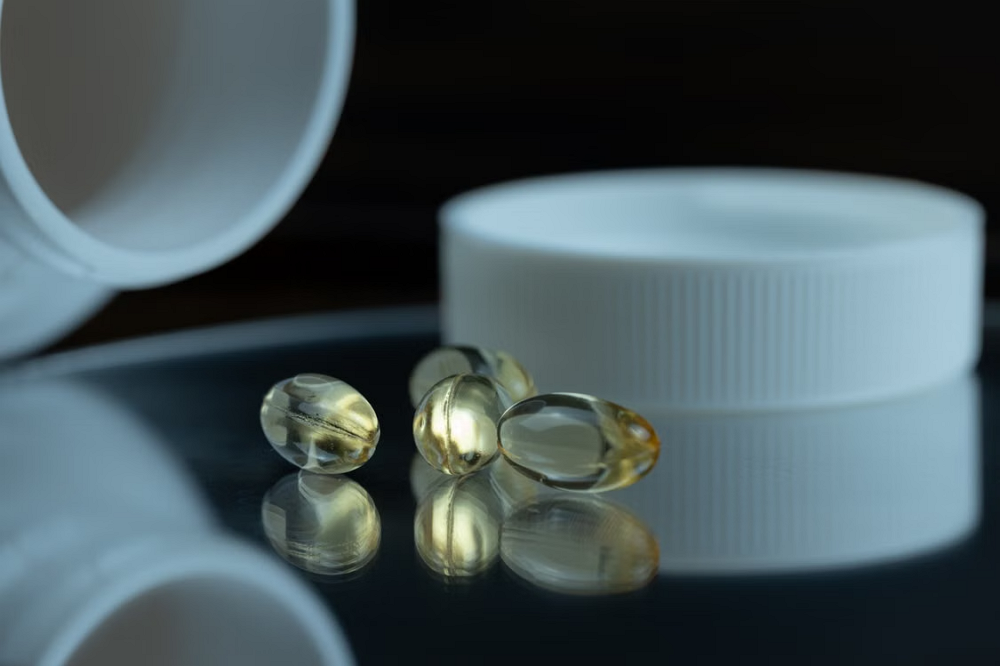
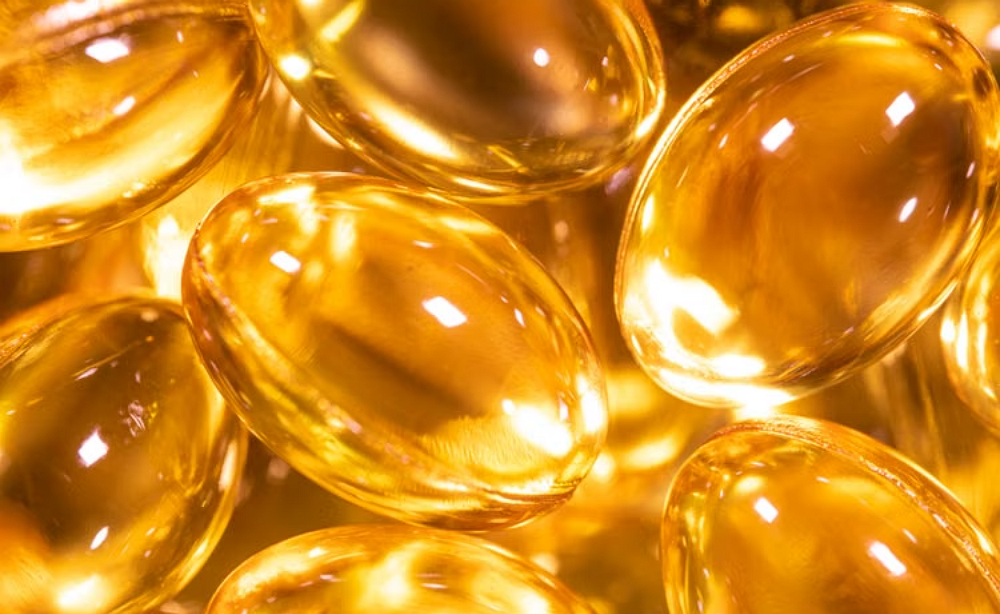
Softgels are one-piece, hermetically sealed capsules designed to hold liquids, oils, suspensions, and certain semisolid fills. For supplement brands, that simple definition is only the starting point. A successful softgel must align the active ingredient with a compatible fill, match that fill to a reliable shell system, protect the formula through its intended shelf life, and fit a realistic manufacturing and packaging plan.
This guide answers what are softgels from a product-development perspective. It focuses on the choices brand, R&D, quality, procurement, and marketing teams need to make before they request samples or a commercial quote. The goal is not to prescribe one universal formula. It is to help teams create a brief that a manufacturer can evaluate for feasibility, risk, timing, and cost.
The practical takeaway is clear: choose a softgel because its sealed liquid-fill format improves the product concept, not because the dosage form looks premium. Define the target dose, ingredient form, consumer promise, shell preference, package, market, and forecast together. When those inputs are treated as one system, development moves faster and late-stage surprises are easier to avoid.
How Softgel Structure Shapes Product Performance?
1.What Is a Softgel Made Of
Every softgel has two interdependent parts: the fill and the shell. The fill carries the active and supporting ingredients. The shell surrounds that fill and is typically built from gelatin or a plant-based polymer, water, and a plasticizer that gives the capsule flexibility. Colorants, opacifiers, flavors, or other permitted components may be added when they serve a defined product or branding need.
During encapsulation, two ribbons of shell material are formed, filled, shaped, and sealed in a continuous process. The fresh capsules then move through controlled drying and inspection. Because the fill is enclosed rather than packed as a dry powder, softgels can provide a smooth, easy-to-swallow format while containing ingredients that would be awkward in a conventional hard capsule or tablet.
The Fill System
Softgel fills are commonly oil solutions or suspensions. In a solution, the active is dissolved in a suitable carrier. In a suspension, fine particles remain dispersed in the carrier and must stay acceptably uniform throughout mixing and encapsulation. The development team evaluates solubility, particle size, viscosity, density, dose uniformity, oxidation sensitivity, and interactions between all fill components. A clear-looking prototype is not automatically the most stable or manufacturable option.
The Shell System
The shell must seal consistently, remain flexible without becoming sticky or brittle, and release the fill as intended. Gelatin remains widely used because of its processing characteristics. Vegetarian systems can support plant-based positioning, but they are not drop-in replacements; they may require different formulation and process conditions. The right decision depends on target consumers, ingredient compatibility, regulatory markets, supply availability, appearance, and performance rather than a label preference alone.
2.Which Ingredients Are a Natural Fit for Softgels
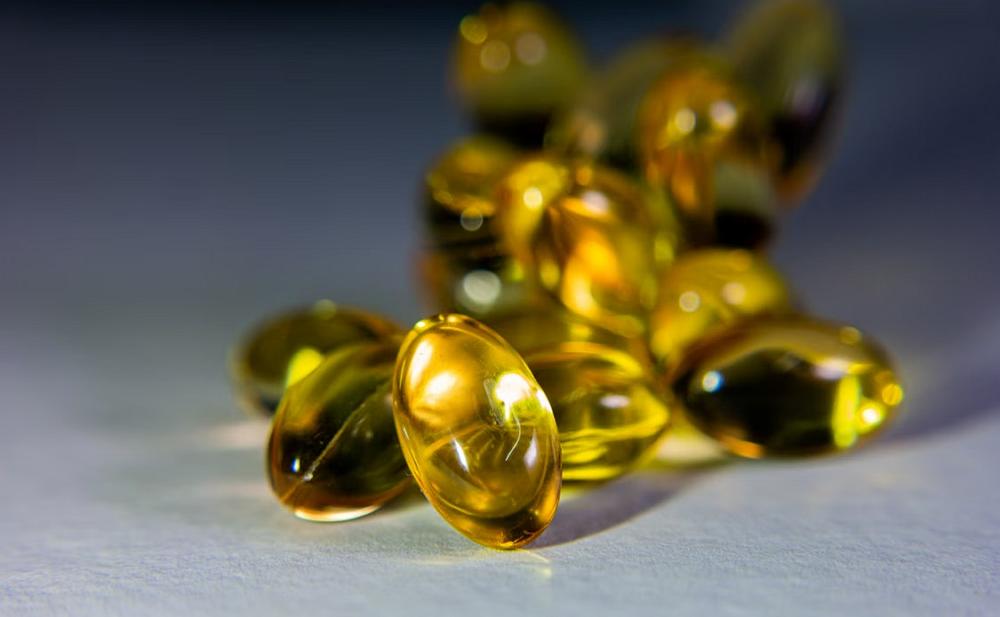
Softgels are often considered for oil-soluble or lipid-based ingredients such as fish oil, algae oil, coenzyme Q10, and fat-soluble vitamins. They may also work for selected botanical extracts and suspended solids when the dose and physical properties fit the process. The format can mask the direct taste and aroma of the fill during swallowing, an important benefit for oils with strong sensory characteristics.
Not every ingredient belongs in a softgel. Large doses of bulky powders may produce an impractically large capsule or require multiple units per serving. High levels of water, volatile solvents, extreme pH conditions, or compounds that migrate into or react with the shell can create sealing, appearance, or stability problems. Ask the manufacturer to assess the actual ingredient grade and carrier system, not merely the ingredient name.
3.Softgels Compared With Hard Capsules and Tablets
A softgel can deliver an elegant, tamper-evident unit dose and may be especially useful for oil-based formulations. A hard capsule may be more flexible for dry powders, pellets, and smaller production commitments. A tablet may support higher compression-based throughput, score lines, or distinctive shapes, but taste masking and swallowability can become limiting factors. The best dosage form is the one that meets dose, stability, consumer experience, claims, cost, and launch-volume requirements at the same time.
Product Development Decisions That Determine Softgel Quality
1.Build the Fill Around Dose, Solubility, and Manufacturability
Start with the target amount of each active per serving and the maximum acceptable number and size of softgels. Then identify the exact raw-material grades, potency allowances, carrier candidates, antioxidants or other supporting ingredients, and any excluded materials. These decisions determine whether the actives can be dissolved or must be suspended and how much fill volume is needed.
A productive softgel product development brief also states the intended claims, target consumer, serving instructions, markets, certifications, and cost objective. These inputs help R&D avoid technically interesting samples that cannot meet the commercial brief. If a dose cannot fit comfortably, the team may need a concentrated ingredient grade, a different carrier, more units per serving, a revised claim, or another dosage form.
Evaluate the Fill as a Process Material
The fill must remain sufficiently uniform while it is pumped and dosed. Excessive viscosity can challenge transfer and filling; insufficient control of suspended particles can create settling and weight variation. Particle size may influence suspendability, grittiness, abrasion, and dose uniformity. The manufacturer should define mixing controls, hold times, temperature limits, and in-process checks that reflect the commercial batch rather than only the bench sample.
2.Match the Shell to the Brand and the Formula
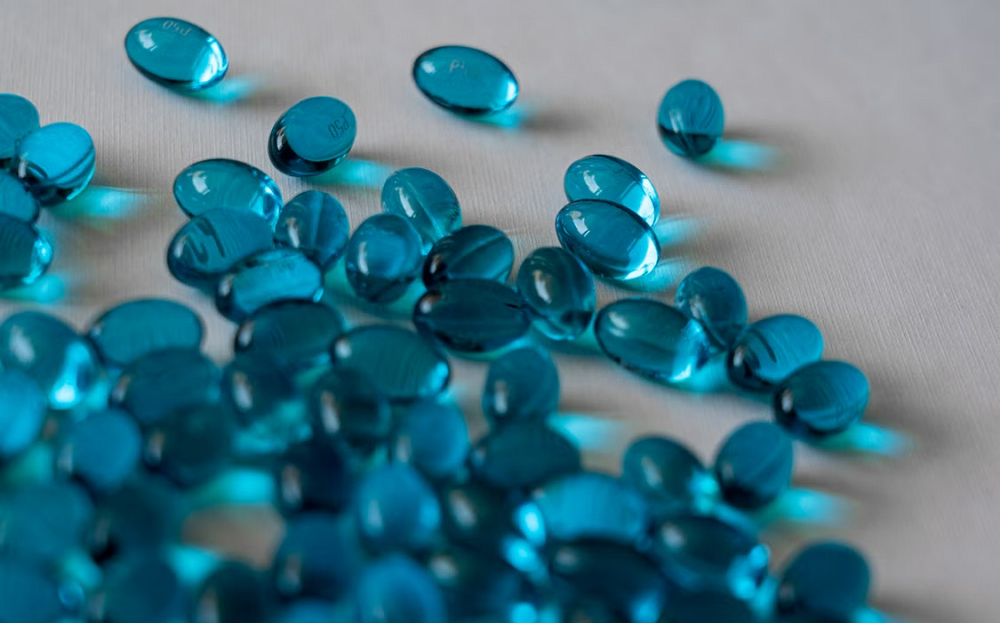
Shell selection affects much more than whether the front label can say gelatin or vegetarian. The formula team should examine shell-fill compatibility, moisture behavior, capsule size, seam quality, color, opacity, printing, target disintegration, storage conditions, and market-specific ingredient expectations. A colored or opaque shell can support identification and protect light-sensitive contents, but it also adds sourcing, specification, and color-consistency considerations.
Consumer experience matters as well. Capsule shape, surface, and dimensions influence swallowability. Marketing may prefer a larger capsule that signals potency, while customers may prefer a smaller unit. Resolve that tension with physical samples and a defined maximum size before finalizing artwork, count per bottle, or serving language.
3.Plan Softgel Stability With the Package, Not After It
Softgel stability is the behavior of the complete formula-shell-package system over time. Teams should consider potency, oxidation, rancidity, migration, leakage, brittleness, sticking, discoloration, odor, microbial quality where applicable, and disintegration or rupture performance. Temperature, humidity, oxygen, and light can affect the fill and shell differently, so a capsule that looks acceptable may still require analytical investigation.
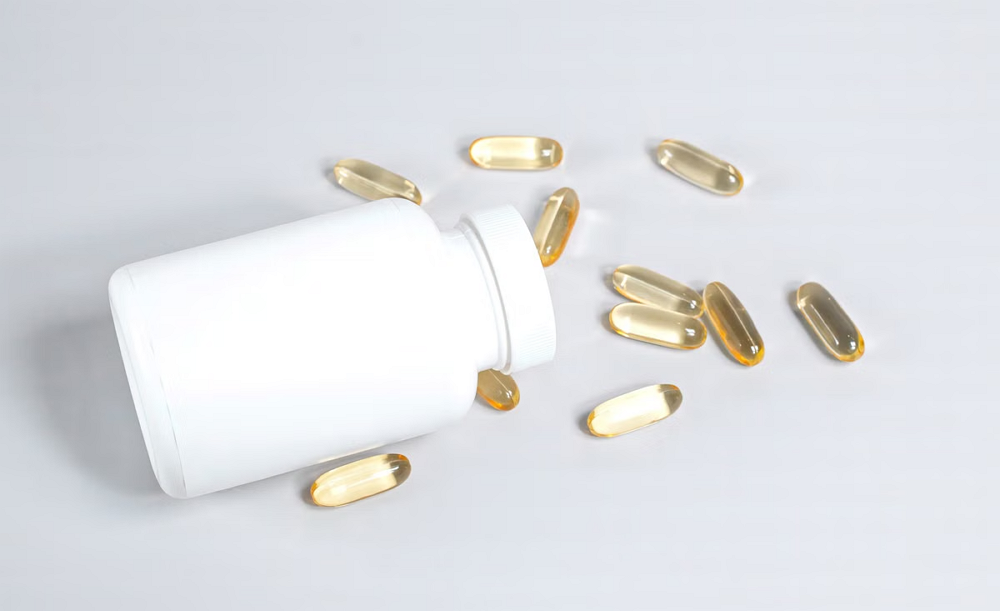
Packaging is part of the stability strategy. Bottle resin, closure, induction seal, blister barrier, headspace, desiccant or oxygen-control component, capsule count, and distribution route all influence exposure. The proposed commercial package should be used in stability work whenever possible. A convenient laboratory container may hide a risk or create one that the marketed product will not face.
What Evidence Should Support Shelf Life?
Define product specifications and a stability protocol with qualified technical partners before relying on a shelf-life statement. Testing should reflect the ingredients, claims, dosage form, package, and target market. In the United States, brand teams should also review applicable FDA dietary supplement requirements and work with appropriate regulatory and quality professionals. A manufacturer can supply production and testing documentation, but the brand remains responsible for ensuring that its product and labeling comply with applicable requirements.
Will Your Softgel Concept Perform at Production Scale?
A formula that works on paper may behave differently during encapsulation, drying, storage, or shipping. Let Innova Nutra evaluate your ingredient properties, fill system, shell compatibility, capsule dimensions, and packaging strategy so potential development risks are addressed early.
Turn a Softgel Concept Into a Quote Ready Manufacturing Brief
1.Give the Manufacturer the Inputs Needed to Assess Feasibility
A vague request for an omega-3 softgel or a premium vitamin capsule cannot produce a dependable timeline or quotation. Provide the formula with ingredient forms and target overages, dose per serving, preferred shell system, capsule size or swallowing constraint, color and opacity preferences, bottle or blister concept, unit count, label claims, certification needs, launch markets, annual forecast, first-order target, desired launch date, and target cost.
Also identify what has already been approved. If the formula, flavor, shell, package, or artwork can still change, say so. The manufacturer can then separate fixed requirements from development variables and explain which choices drive sampling, testing, tooling, component minimums, and lead time.
Before requesting a commercial proposal, confirm the following:
- Active ingredients, exact grades, supplier restrictions, and dose per serving
- Desired fill type, acceptable carriers, allergens, and excluded ingredients
- Gelatin or vegetarian shell preference, capsule size limits, color, and opacity
- Target markets, label positioning, certifications, and testing expectations
- Package format, count, closure, seal, printed components, and case configuration
- Forecast, launch quantity, reorder assumptions, destination, and required date
2.Ask Questions That Reveal Commercial Risk
The most useful manufacturing conversation goes beyond unit price. Ask what assumptions support the quote, which materials carry separate minimums, whether pilot or engineering work is required, how samples are approved, what testing is included, when specifications are locked, and which changes trigger rework. Request an estimated critical path from formula approval through raw-material purchasing, encapsulation, drying, testing, packaging, release, and shipment.
When evaluating a custom softgel manufacturing partner, look for clear ownership across formulation, sourcing, scale-up, quality, packaging, and communication. A strong proposal should identify unresolved risks and decision gates rather than implying that every concept is production-ready. Documentation practices, change control, traceability, deviation handling, and responsiveness are as important as the appearance of the first sample.
Softgel economics are shaped by more than the number of capsules. Raw-material pack sizes, shell materials, custom colors, tooling, printed labels, bottles, caps, blisters, cartons, testing quantities, retains, expected process loss, and line setup can each create a practical minimum. Convert capsule quantities into sellable units using the actual serving and count, then compare that inventory with the demand forecast, shelf life, storage space, cash exposure, and reorder lead time.
3.Finalize the Formula, Package, and Launch Plan as One System
Before authorizing production, align the approved formula, master manufacturing instructions, finished-product specifications, test methods, package bill of materials, label copy, artwork, case pack, shipping requirements, and release responsibilities. A change to one item can affect several others. For example, increasing the active dose can change fill volume and capsule size, which can change bottle count, label dimensions, case configuration, freight, and consumer acceptance.
Innova Nutra supports brands from formulation and shell decisions through encapsulation, quality review, and custom packaging. If your team has a softgel concept, assemble the inputs above and start a softgel project with a feasibility-focused conversation. The result should be a manufacturable product brief, a transparent development path, and a quote built on decisions your brand understands.
Turn Your Softgel Idea Into a Market-Ready Product
Whether you are developing an oil-based supplement, a suspended active formula, or a vegetarian softgel, Innova Nutra can support the journey from initial formulation through testing, production, packaging, and delivery. Tell us what you want to create, and we will help define the next steps.