

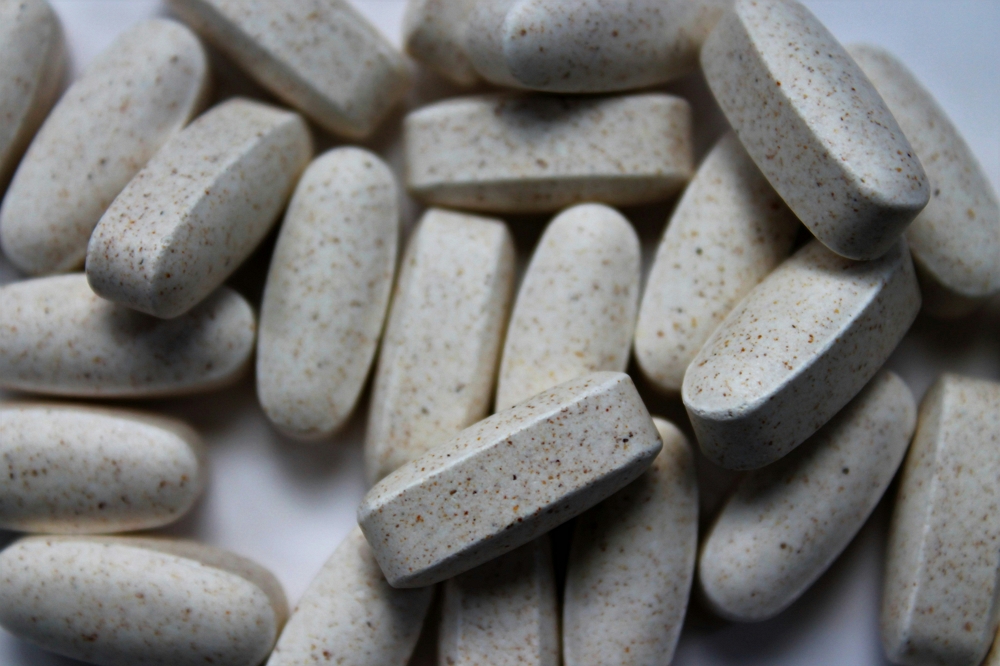
The nutraceutical market is growing fast, but many brands underestimate how complex the supply chain really is. From ingredient sourcing to final packaging, every step directly affects product quality, cost, and delivery timelines. If you’re building or scaling a supplement brand, understanding this process is not optional—it’s a competitive advantage. From sourcing premium ingredients to final packaging, each step plays a critical role in ensuring product quality, consistency, and compliance. Understanding this process is essential for brands looking to enter or scale within the competitive nutraceutical market.
At the foundation of every successful product are reliable supplement raw material suppliers and trusted nutraceutical ingredient manufacturers. These partners determine not only the quality of the inputs but also the stability and scalability of production. As formulations become more sophisticated, collaboration across sourcing, R&D, and production becomes increasingly important. This is where nutraceutical contract manufacturing comes into play—offering brands the expertise, infrastructure, and flexibility needed to bring ideas to life efficiently.
No matter what type of supplement you’re developing—capsules, powders, or functional blends—having visibility across your supply chain helps reduce delays, control costs, and improve launch speed. In this guide, we’ll walk through the key stages of the nutraceutical supply chain—from raw materials to finished supplements—so you can better understand how to build a reliable and scalable product pipeline.
How to Choose Reliable Raw Material Suppliers?
The foundation of any successful nutraceutical supplements product lies in the quality of its raw materials. Choosing the right supplement raw material suppliers and nutraceutical ingredient manufacturers is not just a procurement decision—it directly impacts product efficacy, safety, and brand reputation. Below are the key factors to consider when sourcing ingredients:
• Supplier Qualification and Certifications
Look for suppliers with certifications like GMP, ISO, or HACCP. These aren’t just labels—they indicate that the supplier follows standardized processes for quality and safety. These certifications ensure that raw materials are produced, handled, and stored under strict quality control systems. Working with certified nutraceutical ingredient manufacturers reduces compliance risks and ensures smoother market entry.
• Ingredient Traceability and Transparency
Full traceability—from origin to delivery—is essential. Brands should prioritize suppliers who can provide detailed documentation, including Certificates of Analysis (COA), origin reports, and batch records. Transparent supplement raw material suppliers allow you to track ingredient consistency and respond quickly to regulatory or quality issues.
• Quality Consistency and Stability
Consistency across batches is critical, especially for long-term product lines. Variations in raw materials can affect formulation performance, taste, and shelf life. This is particularly important when working with specialized partners such as a protein powder supplier, where factors like solubility and flavor profile must remain stable.
• Supply Chain Reliability and Scalability
A dependable supply chain ensures uninterrupted production. Evaluate whether your suppliers can scale with your business growth and handle fluctuations in demand. Strategic partnerships with experienced nutraceutical ingredient manufacturers can help mitigate risks such as raw material shortages or delays.
• Compliance with Regulatory Requirements
Different markets have varying regulations for nutraceutical food supplement products. Suppliers must comply with regional standards (e.g., FDA, EFSA) and provide proper documentation for ingredient approval and labeling requirements.
• Cost vs. Value Balance
While cost efficiency is important, the lowest price does not always guarantee the best value. High-quality ingredients may reduce downstream issues such as product recalls or reformulation costs. A balanced approach ensures both quality and profitability.
By carefully selecting and managing your raw material partners, you establish a strong foundation for producing high-quality nutraceutical supplements that meet both consumer expectations and regulatory standards.
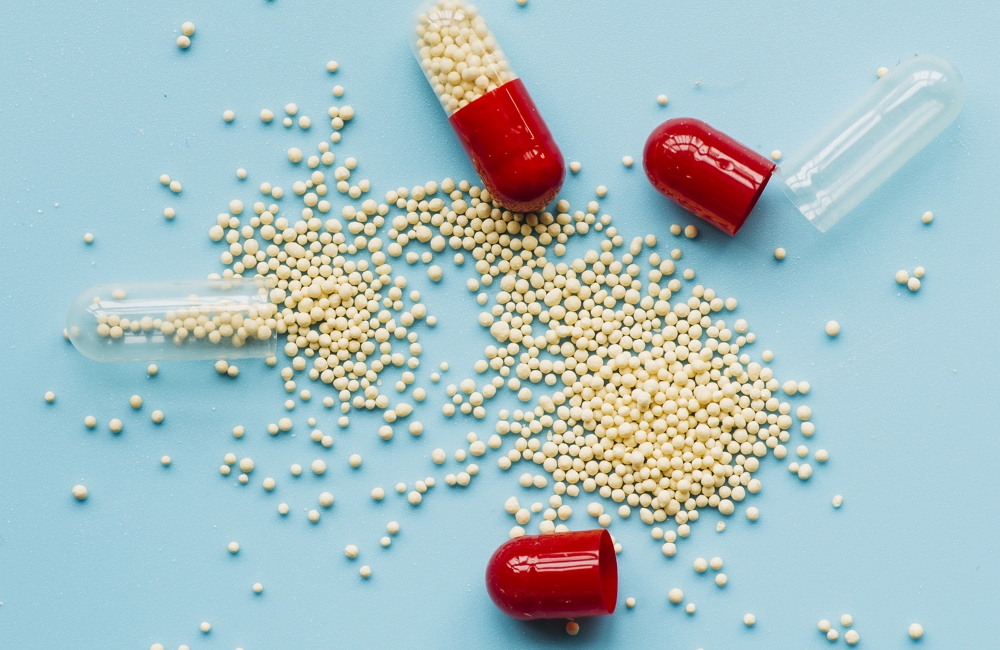
From Formula to Production: How Contract Manufacturing Works
Once high-quality ingredients are secured, the next step is transforming them into finished nutraceutical supplements through nutraceutical contract manufacturing. This process bridges the gap between concept and commercialization, providing brands with the expertise and infrastructure needed to scale efficiently.
Key Stages in Contract Manufacturing:
- Formula Development and Optimization
Manufacturers work closely with brands to refine formulations, ensuring ingredient compatibility, dosage accuracy, and product stability. This stage is critical for developing competitive nutraceutical food supplement products that meet market demands.
- Sample Production and Testing
Before mass production, prototypes are created for evaluation. This includes testing for taste, texture, dissolution, and shelf life. Adjustments are made to ensure the final product meets quality expectations.
- Regulatory and Compliance Support
Experienced manufacturers assist with labeling, documentation, and compliance to meet target market regulations. This simplifies the process for brands entering new regions.
- Mass Production and Quality Control
Once approved, production scales up using standardized processes. Strict quality control measures are implemented at every stage to ensure consistency across batches.
Common Dosage Forms in Contract Manufacturing
Dosage Form | Key Features | Application Scenarios |
Precise dosing, easy to swallow | Vitamins, herbal extracts | |
Softgels | Oil-based formulations | Fat-soluble ingredients |
Gummies | Consumer-friendly format | Lifestyle and wellness products |
Powders | Flexible dosing, fast absorption | Sports nutrition, protein blends |
Tablets | Cost-effective, stable | Multivitamins, minerals |
Leading manufacturers such as Innova Nutra offer a wide range of dosage forms, including capsules, softgels, gummies, powders, and tablets. By integrating multiple production capabilities under one roof, they help brands streamline operations and maintain consistency across different product lines.
Why Contract Manufacturing Matters
- Reduces capital investment in facilities and equipment
- Provides access to technical expertise and R&D resources
- Ensures scalable production for growing brands
- Improves speed-to-market with established processes
By leveraging nutraceutical contract manufacturing, brands can focus on marketing and growth while ensuring their products are produced efficiently and at high quality standards.

Final Processing and Delivery: Turning Ingredients into Market-Ready Supplements
After production, the final stages of the supply chain ensure that nutraceutical supplements are ready for distribution and sale. This phase is crucial for maintaining product integrity, compliance, and consumer appeal.
- Packaging and Labeling
Packaging plays a key role in both product protection and branding. High-quality packaging prevents contamination, preserves shelf life, and enhances visual appeal. Accurate labeling is also essential to meet regulatory requirements for nutraceutical food supplement products.
- Quality Assurance and Final Testing
Before products leave the facility, they undergo rigorous testing to verify potency, purity, and safety. This step ensures that each batch meets established specifications and complies with regulatory standards.
- Supplier and Production Alignment
Close coordination between supplement raw material suppliers, manufacturers, and logistics partners reduces variability. When all stakeholders follow aligned quality benchmarks, the risk of inconsistencies is significantly minimized.
- Inventory Management and Warehousing
Efficient storage solutions help maintain product stability and prevent damage. Proper inventory management ensures that products are readily available while minimizing waste and overstocking.
- Logistics and Distribution
Reliable logistics partners are essential for timely delivery. Whether shipping domestically or internationally, brands must ensure that transportation conditions maintain product quality throughout the journey.
- Market Readiness and Compliance
Final checks include verifying documentation, certifications, and compliance with destination market regulations. This step is particularly important when working with global supplement raw material suppliers and distributing across multiple regions.
- Continuous Improvement and Feedback Loop
Post-launch feedback helps brands refine their products and supply chain processes. Insights from customers and partners can lead to improved formulations, packaging, and overall efficiency.
By managing these final steps effectively, brands can deliver high-quality nutraceutical supplements that meet consumer expectations and regulatory standards. A well-structured end-to-end process ensures not only product success but also long-term brand growth in a competitive market.

Conclusion: Building a Scalable Supplement Supply Chain
Building a successful nutraceutical brand goes far beyond creating a great formula. It requires a deep understanding of the entire supply chain—from selecting dependable nutraceutical ingredient manufacturers to partnering with experienced nutraceutical contract manufacturing providers. Each stage, from sourcing to production to final delivery, directly impacts product quality, brand reputation, and long-term scalability.
As the industry evolves, transparency and reliability have become key differentiators. Brands that work closely with vetted supplement raw material suppliers and specialized partners, such as a trusted protein powder supplier, are better positioned to maintain consistent quality and respond to changing market demands. At the same time, aligning with the right manufacturing partner allows businesses to streamline operations, reduce overhead, and focus on growth and branding.
Whether you’re launching a new nutraceutical food supplement or expanding an existing product line, a well-structured supply chain is essential for sustainable success. By taking a strategic approach—prioritizing quality sourcing, efficient production, and strong partnerships—you can navigate industry challenges with confidence and deliver products that meet both regulatory standards and consumer expectations.
Ultimately, mastering the nutraceutical supply chain is not just about logistics—it’s about building a foundation for long-term success in the fast-growing world of nutraceutical supplements.
Build Your Supplement Brand with a Reliable Manufacturing Partner
From raw material sourcing to finished product production, we provide flexible nutraceutical manufacturing solutions tailored to your brand goals. Connect with our team to discuss your next supplement project.