

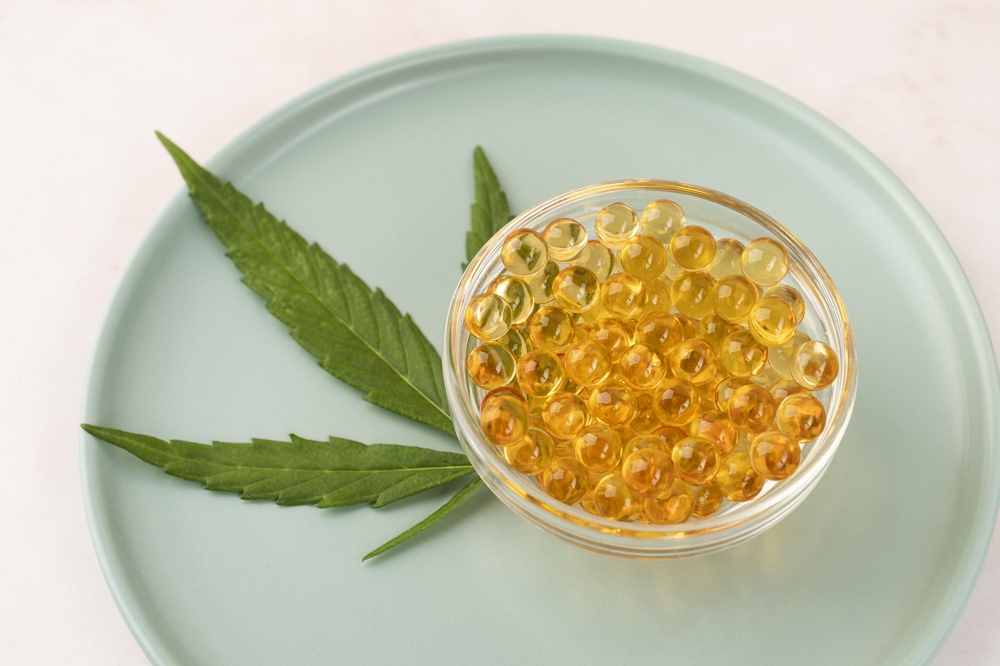
Fish oil softgels are one of the most popular dietary supplements on the market, valued for their convenience, stability, and ease of use. However, proper storage plays a crucial role in maintaining their quality over time. Exposure to heat, light, moisture, or oxygen can accelerate oxidation, potentially affecting the appearance, freshness, and overall product quality. Whether you’re an individual consumer or a supplement brand managing inventory, understanding how to store fish oil softgels correctly can help preserve product integrity throughout its shelf life.
Many people wonder if fish oil softgels should be refrigerated, how long they remain stable after opening, or what storage conditions are recommended for bulk products. These questions are equally important for private label supplement companies, distributors, and retailers that need to maintain consistent product quality from manufacturing to the end customer.
In this guide, we’ll explain the best practices for fish oil softgels storage, discuss the factors that influence fish oil softgel shelf life, and share common mistakes to avoid. We’ll also explore why manufacturing quality, packaging, and storage recommendations all work together to protect the finished product. If you’re developing your own supplement line, choosing an experienced fish oil softgel manufacturer can make a significant difference in product stability, packaging performance, and long-term customer satisfaction.
By following the recommendations below, you can better protect your investment and ensure your fish oil softgels remain in optimal condition from production to consumption.
Launch Your Private Label Fish Oil Softgels with Innova Nutra
Whether you’re developing your first fish oil supplement or expanding an existing product line, Innova Nutra offers custom formulation, premium softgel manufacturing, labeling, packaging, and fulfillment support—all under one roof. Let our experienced team help you create market-ready products tailored to your brand.
Why Proper Fish Oil Softgels Storage Matters?
Proper fish oil softgels storage is essential for preserving product quality throughout its entire lifecycle. From production and transportation to warehouse storage and final use, maintaining the right storage conditions helps protect the softgel’s appearance, stability, and overall integrity. Below are the key reasons why proper storage matters.
1. Protects Product Quality
Fish oil softgels are formulated to provide a convenient and stable delivery format, but they still require appropriate storage conditions. Excessive heat, moisture, direct sunlight, and prolonged exposure to air can gradually affect the quality of both the fish oil and the softgel shell.
Storing fish oil softgels in a cool, dry place and keeping the container tightly sealed helps maintain the product’s original condition and supports consistent quality throughout its intended shelf life.
2. Helps Extend Fish Oil Softgel Shelf Life
The fish oil softgel shelf life depends not only on manufacturing quality but also on how the product is stored after production. Even premium formulations may experience faster degradation if exposed to unfavorable environmental conditions.
To maximize shelf life, it is recommended to:
- Store at a consistent room temperature.
- Keep away from direct sunlight.
- Avoid areas with excessive humidity.
- Close the bottle immediately after each use.
- Follow the storage instructions provided on the product label.
Proper storage helps ensure the product remains in good condition until its labeled expiration date.
3. Reduces Risks During Storage and Distribution
For supplement brands and distributors, fish oil softgels storage extends beyond consumer use. Products may spend weeks or months in warehouses, shipping containers, or fulfillment centers before reaching customers.
Maintaining appropriate storage conditions throughout the supply chain can help reduce the risk of:
- Softgel capsules sticking together.
- Capsule shells becoming too soft or brittle.
- Packaging damage caused by heat or moisture.
- Product quality inconsistencies between production batches.
Implementing proper inventory management practices, such as first-in, first-out (FIFO) rotation, also helps maintain product freshness.
4. Supports Better Performance for Private Label Brands
For companies selling private label fish oil softgels, proper storage is an important part of delivering a consistent customer experience. Stable storage conditions help preserve product appearance, packaging quality, and overall presentation from manufacturing to retail.
Working with an experienced fish oil softgel manufacturer can further improve product stability. Professional fish oil supplement manufacturing facilities typically perform stability testing, recommend suitable packaging materials, and provide storage guidelines based on the specific formulation. These quality control measures help brands protect their products throughout storage, shipping, and distribution while supporting long-term customer satisfaction.
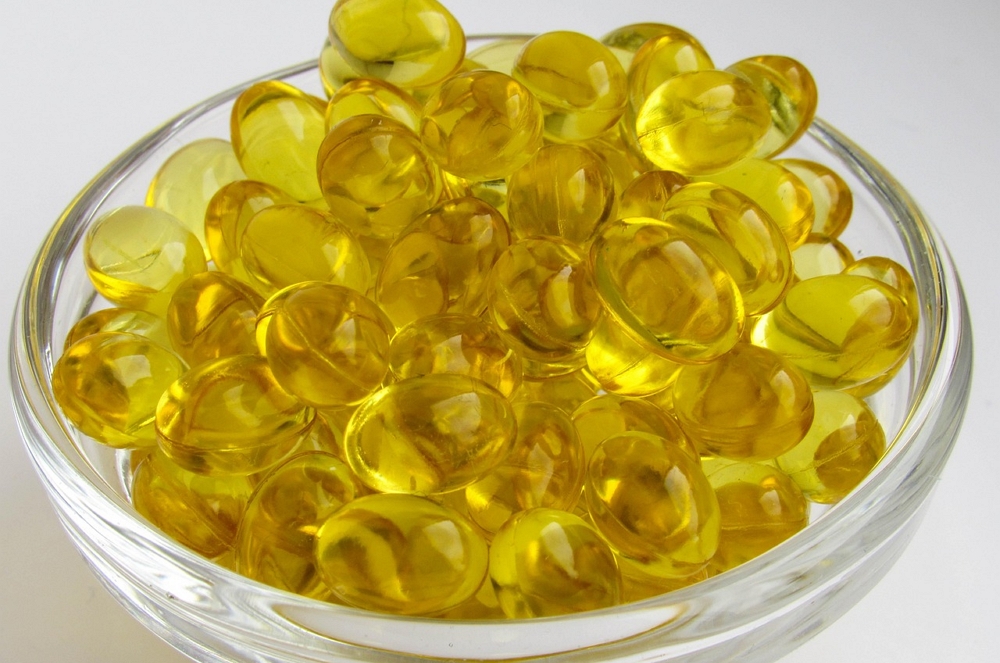
What Is the Best Way to Store Fish Oil Softgels?
Proper fish oil softgels storage helps maintain product quality throughout its shelf life. Although fish oil softgels are manufactured with protective gelatin shells and secure packaging, they should still be stored under suitable conditions to reduce exposure to environmental factors. Below are the most effective storage practices recommended for both consumers and private label fish oil softgels brands.
1. Store at a Cool, Stable Temperature
Temperature is one of the most important factors affecting fish oil softgel shelf life. Excessive heat may accelerate oxidation and soften the gelatin shell, while frequent temperature fluctuations can reduce overall product stability.
For best results:
- Store fish oil softgels at room temperature, typically between 15°C and 25°C (59°F–77°F).
- Avoid placing bottles near ovens, radiators, or heating vents.
- Keep products away from windows where direct sunlight can increase temperatures.
- During transportation and warehousing, maintain stable storage conditions whenever possible.
A consistent environment helps preserve both the oil and the capsule shell throughout storage.
2. Keep Away from Direct Sunlight
Light exposure, especially ultraviolet (UV) rays, may gradually affect the quality of fish oil over time. Even if the bottle is only occasionally exposed to sunlight, long-term exposure can contribute to faster degradation.
To minimize light exposure:
- Store bottles inside cabinets or drawers.
- Avoid leaving products on kitchen countertops or windowsills.
- Choose dark-colored or opaque containers whenever possible.
- Keep products inside their original packaging until use.
Many fish oil softgel manufacturers use amber or opaque bottles specifically to provide additional protection from light.
3. Protect the Product from Moisture
Humidity can affect the softgel shell, causing capsules to become sticky, clump together, or lose their original texture. Moisture may also reduce packaging performance during long-term storage.
To help prevent humidity-related issues:
- Store fish oil softgels in a dry environment.
- Avoid bathrooms, laundry rooms, or other humid areas.
- Close the bottle tightly after each use.
- Leave the desiccant packet inside the bottle if one is provided.
Maintaining a dry storage environment helps preserve capsule appearance and handling quality.
4. Keep the Original Container Properly Sealed
The original bottle is designed to protect fish oil softgels from air, moisture, and physical damage. Transferring capsules into another container may reduce that protection and increase unnecessary exposure to environmental conditions.
Best practices include:
- Keep fish oil softgels in the original sealed container.
- Always tighten the cap immediately after opening.
- Avoid opening the bottle more often than necessary.
- Check that the induction seal is intact before first use.
For private label fish oil softgels, selecting high-quality bottles, induction seals, and closures is equally important. Reliable fish oil supplement manufacturing partners often recommend packaging materials that support product stability during storage, transportation, and retail distribution.
By following these four simple storage practices, both consumers and supplement brands can help maximize fish oil softgel shelf life, maintain product quality, and ensure the softgels remain in excellent condition from manufacturing to final use.

Should Fish Oil Softgels Be Refrigerated?
Many people wonder whether fish oil softgels should be stored in the refrigerator. The answer depends on the product formulation, packaging, and the storage environment. In most cases, refrigeration is not required, but it can be beneficial under certain conditions. The most important step is to follow the storage instructions provided by the manufacturer.
1. Refrigeration Is Usually Not Necessary
Most commercially manufactured fish oil softgels are designed to remain stable when stored at normal room temperature. During fish oil supplement manufacturing, manufacturers select suitable capsule materials, packaging, and stability standards to help protect the product under recommended storage conditions.
As long as fish oil softgels are stored:
- In a cool, dry place
- Away from direct sunlight
- In a tightly sealed container
- At a consistent room temperature
they generally do not need refrigeration. In fact, frequent movement between the refrigerator and room temperature may create condensation on the bottle, introducing unnecessary moisture.
2. When Refrigeration May Be Helpful
Although refrigeration is not required for most products, there are situations where it may be a practical choice.
You may consider refrigerating fish oil softgels if:
- You live in a region with consistently hot weather.
- Indoor temperatures regularly exceed the recommended storage range.
- Air conditioning is unavailable during the summer.
- The manufacturer specifically recommends refrigerated storage after opening.
Refrigeration can help keep the capsules firm and protect them from excessive heat, especially during warmer months. However, the bottle should always be tightly sealed before being placed in the refrigerator to reduce moisture exposure.
3. Understand the Advantages and Limitations
Like any storage method, refrigeration has both benefits and limitations.
Potential advantages include:
- Helps reduce exposure to high temperatures.
- Keeps softgel capsules firmer in warm environments.
- May provide additional protection during extended storage in hot climates.
Potential limitations include:
- Moisture may form if the bottle is repeatedly moved between cold and warm environments.
- Refrigeration cannot improve the quality of products that have already been improperly stored.
- Some refrigerators have high humidity levels, making a tightly sealed container even more important.
Rather than assuming refrigeration is always better, maintaining stable storage conditions is generally the most effective approach for preserving fish oil softgel shelf life.
4. Best Practices After Opening
Once the bottle has been opened, proper handling becomes even more important for maintaining product quality.
Follow these simple storage practices:
- Close the cap tightly after every use.
- Keep the bottle away from heat, direct sunlight, and humid environments.
- Avoid leaving the bottle open for extended periods.
- Use clean, dry hands when handling the container.
- Follow the manufacturer’s recommended expiration date and storage instructions.
For supplement brands selling private label fish oil softgels, clear storage guidance on product labels also helps customers store the product correctly and supports a better user experience.
Whether stored at room temperature or refrigerated when appropriate, following proper fish oil softgels storage practices is the best way to help maintain product quality throughout its intended shelf life.
How Long Is the Fish Oil Softgel Shelf Life?
The fish oil softgel shelf life varies depending on several factors, including the quality of the raw materials, manufacturing standards, packaging, and storage conditions. While many fish oil softgels remain stable for an extended period when stored correctly, understanding what influences shelf life can help consumers and supplement brands maintain product quality. Below are the key factors to know.
1. Typical Fish Oil Softgel Shelf Life
Most fish oil softgels have a shelf life of 18 to 36 months from the date of manufacture when stored according to the manufacturer’s recommendations. The exact shelf life depends on the formulation, the type of fish oil used, antioxidant ingredients, packaging materials, and stability testing performed during production.
Rather than relying on an average timeframe, always check the expiration date printed on the bottle. Manufacturers determine this date through stability testing to ensure the product meets quality standards throughout its intended lifespan.
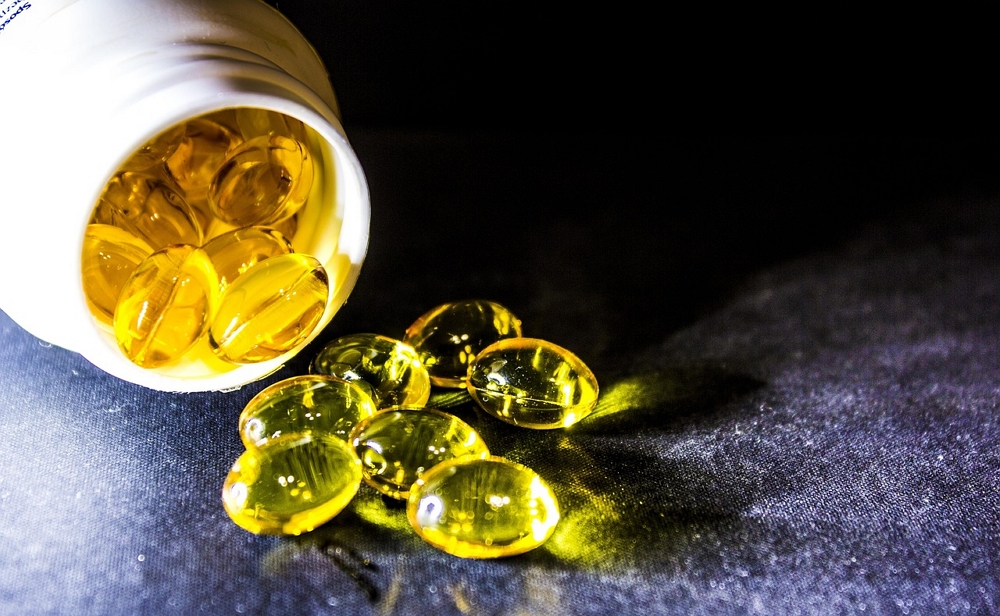
2. Manufacturing Quality Plays an Important Role
Shelf life begins long before the product reaches the customer. During fish oil supplement manufacturing, manufacturers use quality control procedures to help protect the stability of the finished product.
Important manufacturing factors include:
- Selecting high-quality fish oil raw materials.
- Using controlled production environments.
- Minimizing oxygen exposure during filling.
- Adding appropriate antioxidant ingredients when required.
- Performing stability and quality testing before release.
An experienced fish oil softgel manufacturer also evaluates packaging compatibility to help maintain product quality during transportation and storage.
3. Storage Conditions Can Affect Product Stability
Even a well-manufactured product requires proper storage after production. Environmental conditions throughout warehousing, shipping, retail display, and home storage all contribute to maintaining product quality.
To help maximize fish oil softgel shelf life, products should be stored:
- At a cool and stable room temperature.
- Away from direct sunlight.
- In a dry environment with low humidity.
- Inside the original, tightly sealed container.
- Away from excessive heat or frequent temperature fluctuations.
Consistent storage conditions help preserve the integrity of both the fish oil and the softgel capsule.
4. Understanding Expiration Dates
The expiration date printed on the label represents the period during which the manufacturer expects the product to maintain its specified quality when stored correctly. It is not simply an estimate but is typically supported by product stability studies.
Consumers and retailers should avoid removing products from their original packaging or altering storage conditions, as doing so may affect product stability. It is also recommended to rotate inventory using the first-in, first-out (FIFO) principle so that older batches are used before newer ones.
For supplement brands, proper inventory management helps reduce waste and maintain consistent product quality throughout distribution.
5. Why Shelf Life Matters for Private Label Brands
For companies selling private label fish oil softgels, shelf life is more than just an expiration date—it directly impacts inventory planning, distribution efficiency, and customer satisfaction. Products may spend months in warehouses, fulfillment centers, and retail channels before reaching consumers, making stability a key consideration.
Partnering with a reliable fish oil softgel manufacturer can help brands improve long-term product performance through high-quality raw materials, validated manufacturing processes, protective packaging, and comprehensive stability testing. Combined with proper fish oil softgels storage, these practices help ensure products remain in excellent condition throughout their intended shelf life while supporting a consistent brand reputation.
How to Tell If Fish Oil Softgels Have Gone Bad?
Although fish oil softgels are designed to protect the oil from environmental exposure, they do not last forever. Over time, improper storage, excessive heat, moisture, or simply reaching the end of the product’s fish oil softgel shelf life may affect its quality. Knowing how to recognize the signs of deterioration can help consumers use products safely and help supplement brands maintain quality standards.
1. Check for Changes in Odor
One of the easiest ways to evaluate fish oil softgels is by their smell. Fresh fish oil softgels typically have a mild marine scent or almost no noticeable odor, depending on the formulation and flavoring used.
If the product develops a strong, unpleasant, or unusually sharp fishy odor after opening, it may indicate that the oil has deteriorated over time. While a slight fish aroma is normal for many products, an overpowering smell that differs significantly from when the bottle was first opened may suggest the product is no longer in optimal condition.
When checking the odor:
- Compare it with how the product smelled when first opened.
- Avoid using products with an unusually strong or unpleasant odor.
- Always close the bottle immediately after inspection to reduce air exposure.
Odor alone does not confirm product quality, but it is often one of the first noticeable indicators that storage conditions or product age may have affected the softgels.
2. Examine the Appearance of the Softgel Capsules
A visual inspection can reveal valuable information about the condition of fish oil softgels. High-quality capsules should generally appear smooth, clean, and uniform in size and color.
Signs that may indicate quality changes include:
- Capsules becoming cloudy or discolored.
- Uneven color compared with the rest of the batch.
- Cracks, wrinkles, or deformation of the softgel shell.
- Capsules that appear unusually soft or excessively hard.
Minor cosmetic differences between production batches are sometimes normal, but significant changes in appearance may suggest the product has been exposed to unfavorable storage conditions.
Regular visual inspections are especially useful for retailers and distributors managing large inventories of private label fish oil softgels.
3. Look for Leakage or Sticky Capsules
The softgel shell is designed to protect the fish oil inside, so it should remain sealed and flexible throughout normal storage. If the capsules begin leaking or sticking together, the product may have been exposed to excessive heat or humidity.
Common signs include:
- Oil residue inside the bottle.
- Capsules sticking together in large clusters.
- Softgels with oily or greasy surfaces.
- Leaking or partially broken capsules.
- Deformed capsules caused by high temperatures.
These issues do not always indicate a manufacturing defect. In many cases, they result from improper transportation or poor fish oil softgels storage, such as prolonged exposure to hot warehouses, shipping containers, or humid environments.
Keeping products in their original containers and storing them in cool, dry conditions helps reduce these risks.
4. Check the Expiration Date and Storage History
The expiration date provides important guidance for evaluating product quality. Manufacturers establish this date through stability testing conducted during fish oil supplement manufacturing, assuming the product is stored under recommended conditions.
Before using fish oil softgels, consider the following questions:
- Has the product passed its expiration date?
- Has it been stored in direct sunlight or high temperatures?
- Has the bottle remained tightly sealed after opening?
- Has the product been exposed to excessive moisture during storage?
Even if the capsules appear normal, poor storage conditions over an extended period may reduce product quality before the labeled expiration date.
5. Know When to Discard the Product
When multiple warning signs appear together, replacing the product is generally the safest decision. Fish oil softgels that have developed a strong unpleasant odor, visible leakage, damaged capsules, significant discoloration, or have exceeded their expiration date should not continue to be used.
For supplement brands, distributors, and retailers, routine quality inspections and proper inventory management are equally important. Working with an experienced fish oil softgel manufacturer ensures products undergo quality control, stability testing, and appropriate packaging selection before entering the market. Combined with proper storage throughout the supply chain, these practices help maintain product quality, extend fish oil softgel shelf life, and provide customers with a consistent, reliable product experience.
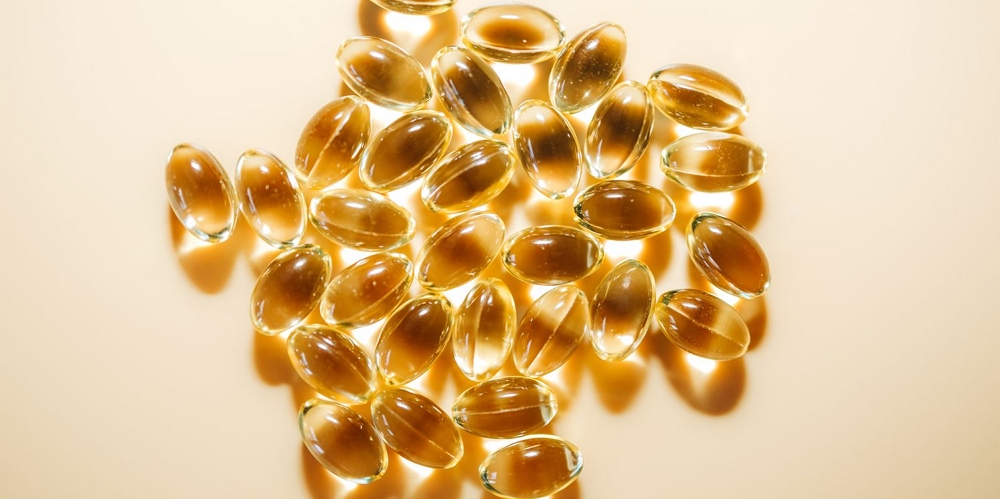
Best Storage Practices for Private Label Fish Oil Softgels
For supplement brands, proper storage is just as important as high-quality manufacturing. Even well-produced private label fish oil softgels can experience quality issues if they are stored or transported under unsuitable conditions. By following best practices throughout the supply chain, brands can help maintain product quality, protect inventory, and deliver a consistent customer experience.
1. Maintain Proper Warehouse Storage Conditions
Warehouses play a critical role in preserving the quality of fish oil softgels before they reach distributors or consumers. Environmental conditions should remain as stable as possible to reduce unnecessary stress on both the softgel capsules and their packaging.
Recommended warehouse practices include:
- Store products in a cool, dry, and well-ventilated area.
- Avoid direct sunlight and excessive artificial heat.
- Keep products away from sources of moisture or water.
- Place cartons on pallets instead of directly on the floor.
- Maintain consistent storage temperatures whenever possible.
A clean and organized warehouse also helps reduce contamination risks and makes inventory management more efficient.
2. Protect Products During Shipping and Transportation
Transportation exposes supplements to changing temperatures, humidity, and handling conditions. Long shipping routes, especially during summer months or across different climate zones, can place additional stress on fish oil softgels.
To minimize transportation risks:
- Use durable shipping cartons designed for supplement products.
- Avoid prolonged exposure to high temperatures during loading and unloading.
- Store shipments in covered or climate-controlled vehicles whenever possible.
- Secure cartons properly to prevent movement and physical damage.
- Inspect products upon arrival for signs of damaged packaging or leaking capsules.
Careful transportation planning helps ensure products arrive in excellent condition while reducing the risk of customer complaints or product returns.
3. Follow the FIFO Inventory Management Method
Inventory management is another important factor that influences fish oil softgel shelf life. The First-In, First-Out (FIFO) method helps ensure older inventory is shipped before newer production batches, reducing the likelihood of products remaining in storage for extended periods.
Brands can improve inventory control by:
- Clearly labeling production dates and lot numbers.
- Organizing warehouse shelves by manufacturing date.
- Performing routine inventory inspections.
- Removing damaged or expired products promptly.
- Monitoring stock levels to avoid unnecessary long-term storage.
Using FIFO helps improve inventory turnover while supporting product freshness throughout the distribution process.
4. Choose Protective Packaging Materials
Packaging is the first line of defense against environmental exposure. High-quality packaging helps protect fish oil softgels from light, moisture, oxygen, and physical damage during storage and shipping.
Common packaging features include:
- Opaque or amber bottles to reduce light exposure.
- Induction seals for product protection.
- Tamper-evident caps for consumer confidence.
- Desiccant packets to help control moisture inside the bottle.
- Strong outer cartons for safer transportation.
Selecting suitable packaging not only helps preserve product quality but also enhances the overall presentation of private label fish oil softgels.
5. Partner with an Experienced Fish Oil Softgel Manufacturer
Long-term product quality begins with professional manufacturing. An experienced fish oil softgel manufacturer understands that storage performance depends on more than just the finished capsule—it also relies on formulation, packaging, stability testing, and quality control throughout production.
At Innova Nutra, we provide comprehensive fish oil supplement manufacturing solutions for brands looking to develop premium private label products. From custom formulations and high-quality softgel production to packaging selection and labeling support, our team helps ensure every product is manufactured to high industry standards. We also offer guidance on storage recommendations and packaging solutions to help maintain product quality throughout warehousing, shipping, and retail distribution.
Whether you’re launching a new supplement line or expanding an existing portfolio, Innova Nutra’s softgel manufacturing services can help you bring reliable, high-quality fish oil softgels to market with confidence.
Looking for a Trusted Fish Oil Softgel Manufacturer?
From custom formulations to private label packaging, Innova Nutra provides end-to-end fish oil softgel manufacturing solutions. Our FDA-registered, cGMP-compliant facility helps brands bring high-quality supplements to market with confidence.
Conclusion
Proper fish oil softgels storage is essential for maintaining product quality, preserving capsule integrity, and maximizing fish oil softgel shelf life. By storing softgels in a cool, dry place, protecting them from heat, light, moisture, and air exposure, and regularly checking for signs of deterioration, both consumers and supplement brands can help ensure products remain in optimal condition throughout their intended lifespan.
For businesses, effective storage extends beyond the warehouse. Proper inventory management, protective packaging, and reliable transportation all contribute to delivering consistent, high-quality products to customers. Choosing an experienced fish oil softgel manufacturer is equally important, as manufacturing quality and stability testing play a significant role in long-term product performance.
At Innova Nutra, we offer comprehensive fish oil supplement manufacturing services, including custom formulation, private label production, premium packaging solutions, and rigorous quality control. Our experienced team works closely with supplement brands to develop reliable, market-ready fish oil softgels that meet high manufacturing standards while supporting product stability throughout storage and distribution.
Whether you’re launching a new supplement brand or expanding your existing product line, partnering with the right manufacturing expert can help ensure your fish oil softgels maintain their quality from production to the hands of your customers. Contact Innova Nutra today to learn more about our private label and custom softgel manufacturing solutions.