

Dietary fiber plays a critical role in digestive health, heart health, and metabolic balance. However, many consumers still ask a common question: when is the best time to take a dietary fiber supplement to maximize its benefits?
Whether you manufacture fiber tablets for constipation, psyllium husk fiber capsules, or a plant based fiber supplement, educating your audience on proper timing can significantly improve product effectiveness and customer satisfaction. In this article, we break down the science, practical recommendations, and use cases behind taking fiber supplements at the right time.
Do You Know Why Timing Matters for Dietary Fiber Supplements?
Timing affects how a dietary fiber supplement works in the digestive system, including its impact on gut bacteria and nutrient absorption. Soluble fibers such as psyllium husk absorb water and form a viscous gel in the gut. When taken at an appropriate time, this gel can slow gastric emptying, support stool formation, and promote beneficial bacterial fermentation.
If taken inconsistently or without sufficient fluids, fiber may lead to bloating or reduced tolerance, which is why clear guidance on taking fiber supplements is essential for consumer compliance. Timing also affects mineral absorption—fiber taken too close to iron or calcium supplements may reduce bioavailability.
Key factors affected by timing include:
- Digestive comfort
- Blood sugar response
- Appetite control
- Bowel regularity
- Psyllium husk gut health benefits
Understanding when to take fiber helps consumers get consistent results while reducing side effects.
Best Time to Take Fiber Supplements: General Guidelines
1. Morning: Best for Digestion & Regularity
For many people, taking fiber supplements in the morning—especially with breakfast—is ideal. Taking dietary fiber supplements in the morning can provide the following benefits:
- Supports regular bowel movements throughout the day
- Helps manage appetite and satiety
- Stabilizes blood sugar after meals
This timing works particularly well for:
- Fiber tablets for constipation
- Plant based fiber supplements
- Psyllium husk fiber capsules taken with water

2. Before Meals: Ideal for Appetite & Blood Sugar Control
Taking a dietary fiber supplement 15–30 minutes before meals can help:
- Slow digestion
- Reduce post-meal glucose spikes
- Increase feelings of fullness
This approach is popular for consumers using fiber for:
- Weight management
- Metabolic health
- Cardiovascular support
Furthermore, psyllium husk fiber capsules are especially effective when taken before meals due to their gel-forming properties.
3. Evening: Helpful for Constipation Relief
For individuals primarily using fiber tablets for constipation, evening intake may be beneficial.
- Why it works:
- Fiber supports overnight digestion
- Promotes bowel movement the following morning
- Helps establish consistent digestive rhythm
However, some people may experience mild bloating if taken too close to bedtime. For best results, take fiber supplements at least 2 hours before sleep.
While there is no universal “perfect” time, understanding consumer goals allows brands to position products more effectively. Morning intake aligns with circadian digestive activity and supports predictable bowel movements. Pre-meal use targets glycemic response and appetite regulation, making it popular in weight management and metabolic formulas.
Evening intake appeals to consumers seeking constipation relief, as overnight hydration and gut motility promote morning bowel movements. However, tolerance varies, which is why dosage form (powder vs capsules vs fiber tablets for constipation) and fiber source matter.
Therefore, manufacturers can make their products stand out by clearly linking recommended dosage times to specific uses and benefits, rather than providing only general instructions.
How Fiber Dosage and Formulation Impact Supplement Effectiveness?
While timing plays an important role, dosage and formulation are equally critical factors that determine whether a dietary fiber supplement delivers consistent, noticeable results. Many consumer frustrations with fiber products stem not from when they are taken, but from misunderstandings around how much fiber is needed and how different formulations behave in the digestive system. For supplement brands and manufacturers, this is an important educational and differentiation opportunity.
Understanding Effective Fiber Dosage
Dietary guidelines consistently show that most adults fail to meet daily fiber intake recommendations through food alone. As a result, dietary fiber supplements are often used to bridge this gap. However, there is no universal dosage that works for everyone. Individual tolerance, diet composition, hydration status, and digestive sensitivity all influence how much fiber a person can comfortably consume.
For consumers using fiber tablets for constipation, a moderate daily dose taken consistently is often more effective than sporadic high doses. Psyllium husk fiber capsules, in particular, rely on gradual water absorption to support stool bulk and softness. Excessive dosing may increase discomfort without improving outcomes. Educating users to view fiber as a daily nutritional support—rather than an occasional fix—leads to better long-term results.
Soluble vs. Insoluble Fiber: Why Formulation Matters
Not all fiber behaves the same way in the gut. Soluble fibers such as psyllium husk dissolve in water to form a gel-like substance that slows digestion, improves stool consistency, and supports beneficial gut bacteria. Insoluble fibers, on the other hand, add bulk and help move material through the digestive tract more quickly.
A well-designed plant based fiber supplement often balances these fiber types to optimize tolerance and effectiveness. Psyllium husk gut health benefits are largely driven by its soluble fiber content, making it especially suitable for constipation relief and digestive regularity. Manufacturers that clearly communicate fiber type and function help consumers make informed choices and reduce misuse.

Dosage Form: Capsules, Tablets, or Powder
The physical format of a fiber supplement significantly affects user experience and compliance. Capsules and tablets offer convenience and precise dosing, making them popular for daily routines. Fiber tablets for constipation appeal to consumers who prefer structured, easy-to-follow instructions.
Powdered fibers, while flexible in dosing, may be less appealing to some users due to taste or preparation time. From a formulation standpoint, capsule and tablet products require careful consideration of compression, disintegration, and water-binding capacity to ensure performance matches label claims.
Gradual Adaptation and Long-Term Use
Fiber supplementation is most effective when introduced gradually and maintained consistently. The gut microbiome adapts over time, and sudden changes in fiber intake can temporarily increase gas or bloating. This adaptation phase is normal and should be clearly explained to consumers.
For those focused on psyllium husk gut health and overall digestive balance, long-term use at a tolerable dose delivers more meaningful benefits than short-term, high-intensity intake. Brands that normalize gradual adaptation help reduce early drop-off and negative reviews.
Manufacturer Perspective: Designing Better Fiber Products
From a manufacturing standpoint, effective fiber supplements combine clinically supported ingredients, appropriate dosage ranges, and clear usage instructions. Clean-label positioning, GMP-compliant production, and transparent sourcing further strengthen brand credibility.
Manufacturers that support private label partners with formulation guidance and dosage education enable faster market entry and more sustainable customer satisfaction.
By helping consumers understand how dosage and formulation influence results, supplement brands can build trust, improve compliance, and stand out in an increasingly competitive fiber supplement market.
Developing a dietary fiber supplement requires more than choosing an ingredient—it requires the right dosage strategy and formulation design. Explore our full-service supplement manufacturing solutions on Innova Nutra homepage.
Should Fiber Supplements Be Taken With or Without Food?
Most dietary fiber supplements can be taken with or without food, but the goal matters.
Goal | Best Option |
Constipation relief | With meals or evening |
Appetite control | Before meals |
Gut health support | With meals |
Blood sugar management | Before meals |
Food presence affects fiber viscosity and fermentation speed. Taking a dietary fiber supplement with meals can reduce digestive irritation and improve gut comfort, particularly for sensitive users. In contrast, pre-meal intake enhances satiety and blood sugar modulation.
For psyllium husk fiber capsules, water intake is critical regardless of food timing. Clear instructions reduce adverse effects and improve perceived product quality. Brands that educate users on why timing with or without food matters often see lower refund rates and better reviews.
Therefore, for supplement manufacturers, clear label instructions help reduce misuse and improve outcomes.
Looking to develop a high-quality dietary fiber supplement for your brand? Explore our full-service supplement manufacturing capabilities on our homepage.
What are some common mistakes when taking dietary fiber supplements?
Despite the proven benefits of dietary fiber supplements, many consumers fail to achieve optimal results due to common usage mistakes. These issues are not usually caused by the fiber itself, but by misunderstanding how fiber works in the digestive system. From a manufacturer and brand education perspective, addressing these mistakes proactively can significantly improve user experience, product reviews, and long-term retention.

1. Not Drinking Enough Water
One of the most frequent mistakes when taking fiber supplements—especially psyllium husk fiber capsules—is insufficient water intake. Soluble fibers absorb water and expand to form a gel-like substance that supports stool bulk and movement. Without adequate hydration, this expansion process is incomplete and may result in bloating, discomfort, or even worsened constipation.
Many consumers underestimate how much water is required when taking fiber tablets for constipation. Clear instructions such as “take with at least 8–12 oz of water” help prevent misuse. For psyllium-based products, hydration is not optional—it is essential for safety and effectiveness. Brands that clearly communicate this requirement tend to see fewer complaints and better tolerance outcomes.
2. Increasing Dosage Too Quickly
Another common issue is starting with a full or high dose immediately. Consumers often expect fast relief and assume that more fiber will work faster. In reality, the gut microbiota needs time to adapt to increased fiber intake. A sudden increase—particularly with fermentable fibers—can cause gas, cramping, and abdominal discomfort.
Gradual dosage escalation over several days allows the digestive system to adjust. This is especially important for psyllium husk fiber capsules, which have strong water-binding and bulking effects. Manufacturers can reduce negative experiences by recommending a step-up dosing schedule rather than a single fixed dose from day one.
3. Inconsistent Timing and Irregular Use
Dietary fiber supplements work best when taken consistently. Irregular use disrupts bowel patterns and limits long-term gut health benefits. Some users take fiber only when symptoms appear, then stop once relief is achieved. This on-and-off approach often leads to recurring constipation and inconsistent results.
Encouraging consumers to take fiber supplements at the same time each day—whether in the morning, before meals, or in the evening—supports habit formation and predictable outcomes. Consistency is particularly important for those using fiber for chronic constipation or overall digestive balance.
4. Expecting Immediate Results
Fiber supplements are not stimulant laxatives, yet many users expect same-day results. This misconception leads to frustration and premature discontinuation. In reality, dietary fiber supports natural bowel regularity over time by improving stool consistency and gut motility.
Educating consumers that benefits may take several days to become noticeable helps set realistic expectations. For psyllium husk gut health benefits, regular intake supports fermentation processes that contribute to long-term intestinal health rather than instant relief.
5. Taking Fiber Too Close to Certain Medications or Supplements
Another frequently overlooked issue is timing fiber intake alongside medications or mineral supplements. Dietary fiber can bind to certain compounds, potentially reducing absorption. Iron, calcium, and some prescription medications may be less effective when taken simultaneously with fiber supplements.
To avoid this interaction, consumers should be advised to separate fiber intake from medications by at least one to two hours. Including this guidance builds trust and positions the brand as a responsible and knowledgeable provider.
6. Choosing the Wrong Fiber Format for Individual Needs
Develop Your Own Fiber Supplement Product
Fiber supplements come in different formats, ingredients, and formulations. Innova Nutra helps brands create customized supplement products with professional development support and reliable manufacturing solutions.
Not all fiber supplements suit every user. Some consumers may tolerate powders better, while others prefer capsules or tablets for convenience. Choosing a highly fermentable fiber when gut sensitivity is high can also increase discomfort.
Helping consumers select the appropriate format and fiber type—whether a gentle plant based fiber supplement or a psyllium-focused formula—reduces trial-and-error frustration and improves overall satisfaction.
By addressing these common mistakes through clear labeling, educational content, and post-purchase guidance, supplement brands can dramatically improve outcomes for users taking fiber supplements while reducing churn and negative feedback.
How Often Should You Take Fiber Supplements?
Most adults can benefit from taking a dietary fiber supplement once or twice per day, depending on their daily fiber intake and digestive needs. Because many people do not consume enough fiber from whole foods alone, regular supplementation helps support digestion, bowel regularity, and long-term gut health.
For individuals using fiber tablets for constipation, daily consistency matters more than the exact number of doses. Taking fiber supplements at the same time each day helps regulate bowel movements and reduces the likelihood of digestive discomfort. Soluble fibers, such as those found in psyllium husk fiber capsules, are particularly effective because they absorb water and form a gel that supports stool softness and intestinal movement.
People focused on overall digestive wellness or psyllium husk gut health benefits may find that one daily serving of a plant based fiber supplement is sufficient. However, those with low dietary fiber intake or specific digestive concerns may benefit from splitting their intake into two smaller doses—such as morning and evening.
When taking fiber supplements, it is important to start with a low dose and gradually increase over several days. This approach allows the digestive system to adapt and minimizes side effects like bloating or gas, especially when introducing psyllium-based products.
Consistency outweighs frequency. Regular intake trains bowel habits and stabilizes microbiota composition. For low-fiber diets, splitting doses improves tolerance. Psyllium-based products benefit from gradual titration to avoid gas or bloating.
From a formulation standpoint, manufacturers can design once-daily or split-dose solutions based on target demographics, such as elderly users or consumers with chronic constipation.
Whether you need to formulate dietary fiber tablets, our team can help you optimize dosage, provide guidance on timing of administration, and ensure label compliance. Contact us for more information regarding customized formulation consultations.
Choosing the Right Plant Based Fiber Supplement
A high-quality plant based fiber supplement should include:
- Clinically supported fiber sources (psyllium husk, inulin, oat fiber)
- Clean-label formulation
- Clear dosage and timing instructions
- GMP-compliant manufacturing
As a supplement manufacturer, providing formulation transparency and usage education adds competitive advantage in the fiber category.
Consumers increasingly prefer clean-label, plant based fiber supplement options. Psyllium husk remains one of the most clinically supported fibers for constipation and gut health. Combining it with complementary fibers can improve texture, tolerance, and efficacy.
Clear sourcing, GMP production, and transparent labeling are critical trust signals—especially in B2B and private label markets.
From concept to finished product, we support plant based fiber supplement brands with GMP manufacturing, private label, and contract manufacturing. Choose Innova Nutra and start your project with our team.
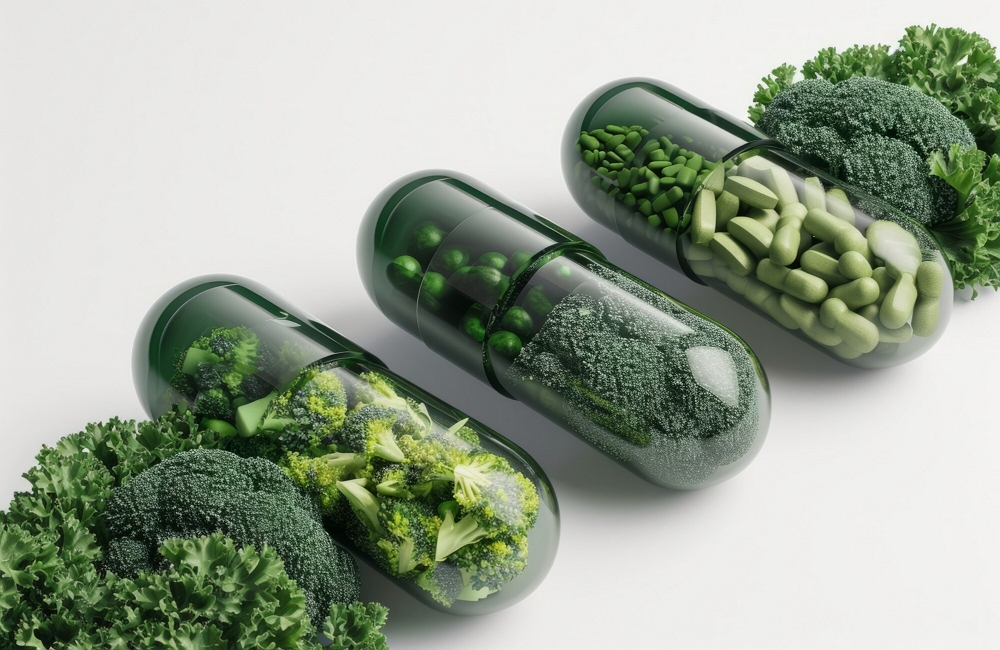
Dietary Fiber Supplement for Different Consumer Groups
Different consumer groups experience digestive health challenges in very different ways, which means the same dietary fiber supplement may deliver different perceived benefits depending on age, lifestyle, and health goals. Understanding these differences allows supplement brands and manufacturers to design clearer usage guidance and more targeted formulations.
1. Elderly Consumers
Older adults are one of the largest and fastest-growing consumer groups for dietary fiber supplements. Age-related changes in gut motility, lower fluid intake, medication use, and reduced physical activity often contribute to chronic constipation. For this group, fiber tablets for constipation and psyllium husk fiber capsules are commonly preferred due to ease of dosing and predictable results.
For elderly users, timing and consistency are critical. Taking fiber supplements in the morning with adequate water can help establish a regular bowel routine, while gentle soluble fibers like psyllium support stool softness without excessive fermentation. Clear labeling, smaller capsule sizes, and gradual dosage recommendations help improve adherence and reduce discomfort.
2. Office Workers and Sedentary Lifestyles
Modern office workers often consume low-fiber diets combined with long hours of sitting, irregular meals, and high stress levels. These factors negatively affect gut motility and microbiome diversity. For this audience, a plant based fiber supplement positioned around daily digestive balance and gut comfort resonates strongly.
Taking fiber supplements before meals or with lunch can help regulate blood sugar fluctuations and reduce afternoon energy crashes. Psyllium husk gut health benefits are particularly relevant here, as soluble fiber supports beneficial gut bacteria while improving stool consistency. Manufacturers can address this segment with convenient formats such as capsules or stick packs designed for on-the-go use.
3. Weight Management and Metabolic Health Consumers
Consumers focused on weight management often use dietary fiber supplements to support satiety and reduce calorie intake. Pre-meal timing is especially effective, as fiber slows gastric emptying and enhances feelings of fullness. Psyllium husk fiber capsules are frequently incorporated into weight management routines due to their gel-forming properties.
For this group, education is essential. Brands should emphasize that fiber is not a stimulant or appetite suppressant but a supportive tool for healthier eating patterns. Combining fiber guidance with hydration and balanced nutrition improves long-term outcomes and customer trust.
How Supplement Brands Can Educate Consumers on Fiber Timing?
Education plays a central role in the success of any dietary fiber supplement. Brands that invest in clear, science-backed guidance not only improve consumer outcomes but also differentiate themselves in a crowded market.
1. Clear and Goal-Oriented Label Instructions
Instead of generic directions, brands should align timing instructions with specific benefits. For example, labeling that explains when to take fiber supplements for constipation versus appetite control helps consumers choose the right routine. This approach reduces misuse and increases satisfaction.
2. Content Marketing and SEO Education
Long-form blog content, FAQs, and comparison guides help answer common questions such as “when is the best time to take a dietary fiber supplement?” Educational content that incorporates keywords like taking fiber supplements and psyllium husk gut health improves organic visibility while supporting informed purchasing decisions.
3. Post-Purchase Education and Retention
Follow-up emails, packaging inserts, and downloadable guides reinforce proper usage after purchase. This is especially important for first-time fiber users who may be sensitive to dosage changes. Well-educated customers are more likely to repurchase and recommend the product.
4. Manufacturer Support for Private Label Brands
For supplement manufacturers, providing ready-to-use educational materials adds value for private label clients. Usage guides, timing charts, and compliance-ready copy help brands launch faster and maintain consistent messaging across markets.

Final Thoughts: Consistency Matters Most
After discussing the aspects mentioned above, one conclusion is clear: there is no universally applicable “best” time to take dietary fiber supplements. The true effectiveness lies in combining the timing, dosage, formulation, water intake, and regularity of consumption with individual needs and daily habits.
So, when it comes back to the original question—when is the best time to take a dietary fiber supplement?—the answer is more practical than most people expect.
There isn’t a single “perfect” time that works for everyone. What matters most is choosing a timing routine that fits naturally into daily life and can be followed consistently over the long term.
For many people, taking fiber supplements in the morning or shortly before meals is easy to remember and supports regular digestion, appetite control, and blood sugar balance. For those relying on fiber tablets for constipation, evening intake may work better by supporting overnight digestion and promoting a bowel movement the next morning. Consumers focused on psyllium husk gut health often see the best results from steady, daily use rather than occasional or reactive intake.
It’s also important to remember that timing alone does not determine results. Adequate water intake, gradual dosage increases, and choosing the right formulation—whether psyllium husk fiber capsules or a well-balanced plant based fiber supplement—play an equally important role. Many negative experiences with fiber supplements are caused not by poor-quality ingredients, but by inconsistent use, insufficient hydration, or unrealistic expectations.
Instead of searching for an exact hour or a universal rule, consumers should focus on building a sustainable routine that supports their individual digestive goals. When used correctly and consistently, dietary fiber supplements can provide meaningful support for digestion, bowel regularity, metabolic health, and long-term gut balance.
For supplement brands and manufacturers, the takeaway is clear: education drives results. Clear instructions, goal-based timing guidance, and transparent formulation information help consumers use fiber supplements correctly—leading to better outcomes, stronger trust, and long-term brand loyalty.
Start Your Personalized Fiber Supplement Plan
At Innova Nutra, we support brands in developing high-quality fiber supplement products through custom formulation and private label solutions. Whether you’re building a new wellness brand or expanding an existing product line, we can help you create supplements that fit real consumer needs and daily routines. Get in touch with our team today to explore how we can help you develop your next fiber supplement product with confidence.