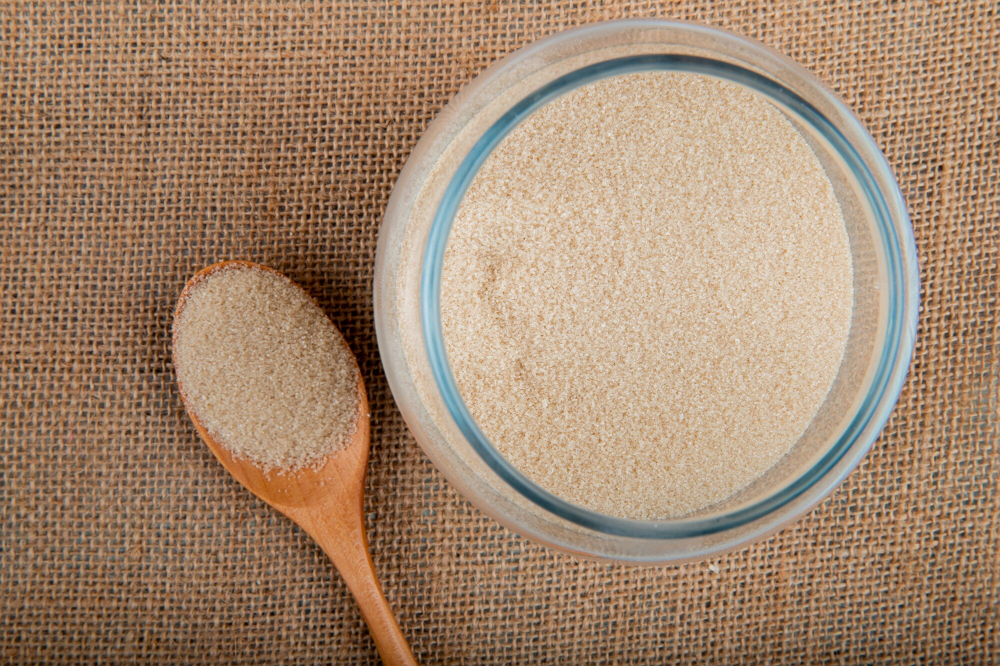
Gelatin powder has gained increasing attention in the nutraceutical and functional nutrition industry due to its versatility, clean-label appeal, and compatibility with a wide range of supplement formulations. Whether used in wellness blends, recovery formulas, or beauty-from-within products, understanding how to take gelatin powder as a supplement is essential for both end users and brands developing competitive product lines.
From a formulation perspective, gelatin is often positioned alongside gelatin protein powder and other collagen-supporting ingredients, making it a valuable addition in protein-focused categories. For supplement brands, this creates opportunities to expand product portfolios with differentiated offerings that meet growing consumer demand for functional proteins.
At the manufacturing level, working with experienced protein supplement manufacturers and reliable powder supplement manufacturers is critical to ensure product quality, solubility, and consistency. Many brands also collaborate with established protein powder manufacturers or specialized powder contract manufacturers to develop customized formulations that meet market positioning, dosage requirements, and regulatory standards.
This article explores practical usage guidance, formulation insights, and industry considerations around gelatin powder supplementation. It is designed not only for consumers but also for B2B stakeholders looking to understand product development pathways, manufacturing options, and how gelatin-based powders can be strategically positioned in the global supplement market.
What Is Gelatin Powder and Why It Is Used in Supplements?
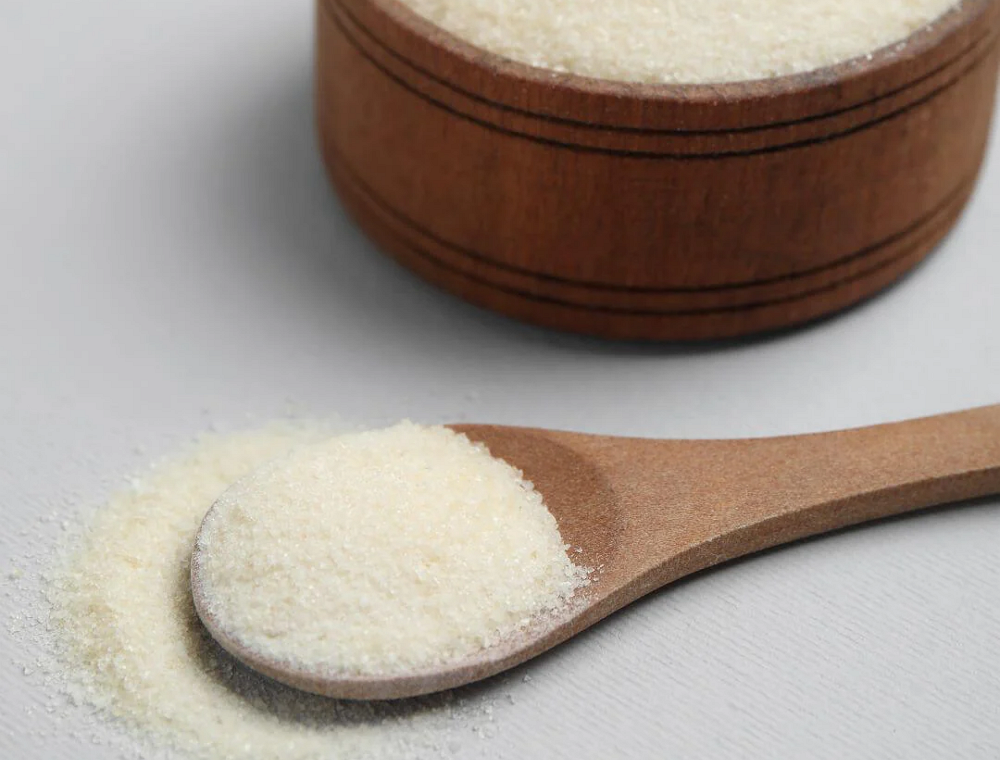
Gelatin powder is a protein-derived ingredient obtained by processing collagen from animal connective tissues. It is widely used in the nutraceutical and functional food industries due to its unique gelling properties, digestibility, and versatility in formulation. In supplement manufacturing, gelatin plays both a functional and nutritional role, making it a core raw material for capsules, powders, and fortified blends.
Below is a structured breakdown of why gelatin powder is widely used in supplements and how it is positioned in B2B product development.
1. Protein Source With Functional Benefits
Gelatin is composed primarily of amino acids such as glycine, proline, and hydroxyproline. These amino acids are important building blocks in protein-based formulations.
Key points:
- Acts as a natural gelatin protein powder base in supplement systems
- Provides structural amino acids used in connective tissue support formulations
- Commonly blended with other protein ingredients for improved nutritional profiles
Unlike many plant proteins, gelatin has a unique functional behavior when hydrated, which makes it valuable in both capsules and powdered drink mixes.
2. High Versatility in Supplement Manufacturing
One of the main reasons brands work with protein supplement manufacturers to include gelatin is its adaptability across different dosage forms.
Applications include:
- Hard capsules and softgels (as capsule shells or filler systems)
- Functional drink powders and sachets
- Gummies and chewable supplements
- Meal replacement or recovery blends
This versatility allows powder supplement manufacturers to design multi-format product lines using a single raw material base.
3. Clean Label and Market Demand
Modern consumers increasingly prefer simple, recognizable ingredient lists. Gelatin supports this trend by offering:
- A single-ingredient protein source
- No synthetic additives in its natural form
- Compatibility with “clean label” positioning
For brands working with powder contract manufacturers, gelatin can help simplify formulations while maintaining functional performance.
4. Stability and Manufacturing Advantages
From a production perspective, gelatin offers strong technical advantages that improve manufacturing efficiency.
Feature | Benefit in Supplement Manufacturing |
Thermal stability | Performs well in controlled processing conditions |
Binding properties | Improves texture and cohesion in powders and capsules |
Film-forming ability | Essential for capsule shell production |
Water solubility (controlled) | Enables flexible formulation design |
Shelf stability | Supports longer product lifecycle |
These properties make gelatin highly attractive for large-scale production environments managed by protein powder manufacturers and contract production facilities.
5. Cost-Effective Functional Ingredient
Compared with more specialized protein isolates or hydrolyzed peptides, gelatin is often more cost-efficient while still offering functional and nutritional value.
Benefits for brands:
- Lower raw material cost in bulk production
- Scalable sourcing for mass-market products
- Easy integration into existing supplement lines
This is especially important for brands seeking to scale quickly through established powder supplement manufacturers.
6. Role in Modern Supplement Formulation Strategy
In today’s competitive nutraceutical market, gelatin is not just an ingredient—it is a strategic formulation tool. It allows manufacturers to:
- Improve product texture and consumer experience
- Enhance protein content without complex processing
- Support hybrid formulations with vitamins, minerals, or botanical extracts
For companies partnering with experienced powder contract manufacturers, gelatin often serves as a foundational component for innovation in protein-based product development.
Key Differences Between Gelatin Protein Powder and Collagen Peptides
Although gelatin protein powder and collagen peptides come from a similar source, they behave quite differently in formulation, digestion, and product applications. For brands working with protein supplement manufacturers or planning new product development, understanding these differences is important for choosing the right ingredient system and positioning in the market.
Below is a clear breakdown from both a technical and commercial perspective.
1. Molecular Structure and Processing Method
The main difference starts at the processing stage.
- Gelatin is produced through partial hydrolysis of collagen
- Collagen peptides undergo further hydrolysis into smaller peptide chains
- Gelatin forms a gel when cooled after dissolution
- Collagen peptides remain fully soluble in both hot and cold liquids
From a manufacturing point of view, this affects how powder supplement manufacturers design the final product format and stability requirements.
2. Functional Behavior in Formulations
In product development, functionality matters as much as nutrition.
Gelatin:
- Creates a gel-like texture when cooled
- Used in gummies, capsules, and structured supplements
- Provides viscosity and binding properties
Collagen peptides:
- Dissolve easily without changing texture
- Ideal for drink mixes, ready-to-mix powders, and clear beverages
- More flexible in beverage-based formulations
Because of these differences, protein powder manufacturers often choose gelatin for structural products and collagen peptides for liquid-friendly applications.
3. Digestibility and Absorption Profile
Both ingredients are easily digestible, but they behave differently in the body.
- Gelatin breaks down into amino acids during digestion
- Collagen peptides are pre-broken down, allowing faster absorption
- Collagen peptides are often marketed for quick bioavailability
- Gelatin is positioned more as a functional protein source with structural benefits in formulations
For brands working with protein supplement manufacturers, this distinction influences product claims and marketing direction.
4. Application Differences in Supplement Categories
Each ingredient serves different product categories:
- Gelatin protein powder: gummies, capsules, protein jellies, functional snacks
- Collagen peptides: beauty drinks, protein shakes, fitness recovery powders
This is why powder contract manufacturers often recommend different ingredient systems depending on whether the brand is targeting functional texture products or beverage-based nutrition.
5. Stability, Taste, and Consumer Experience
Consumer experience is another key factor:
- Gelatin may create a thicker mouthfeel or gel structure
- Collagen peptides are typically neutral and easier to mix
- Gelatin products may require temperature control during processing
- Collagen peptides offer more flexibility for cold-water solubility
These characteristics influence how protein powder manufacturers design flavor systems and product formats for different markets.
6. Cost and Market Positioning
From a commercial standpoint:
- Gelatin is generally more cost-efficient for bulk structural applications
- Collagen peptides are positioned as premium functional ingredients
- Gelatin is often used in mass-market formulations
- Collagen peptides dominate premium beauty and wellness segments
For powder supplement manufacturers, selecting between the two depends heavily on target pricing strategy and brand positioning.
Final Note
While both gelatin and collagen peptides originate from collagen, they serve distinct roles in modern supplement manufacturing. The choice depends on whether a brand prioritizes texture-driven innovation or fast-soluble beverage applications. For companies scaling product lines or entering the functional nutrition market, working with experienced manufacturing partners is critical.
At Innova Nutra, a U.S.-based supplement manufacturing facility, we support brands in developing customized protein and gelatin-based formulations, helping them turn concept ideas into market-ready products with scalable production and consistent quality control.
How to Take Gelatin Powder as a Daily Supplement?
Understanding how to take gelatin powder as a supplement is not just about mixing it into a drink. In real-world usage, especially for brands and formulators, the way gelatin is consumed depends on product format, lifestyle habits, and the final application designed by powder supplement manufacturers. Because gelatin behaves differently from standard protein powders, the intake method can influence both user experience and product success in the market.
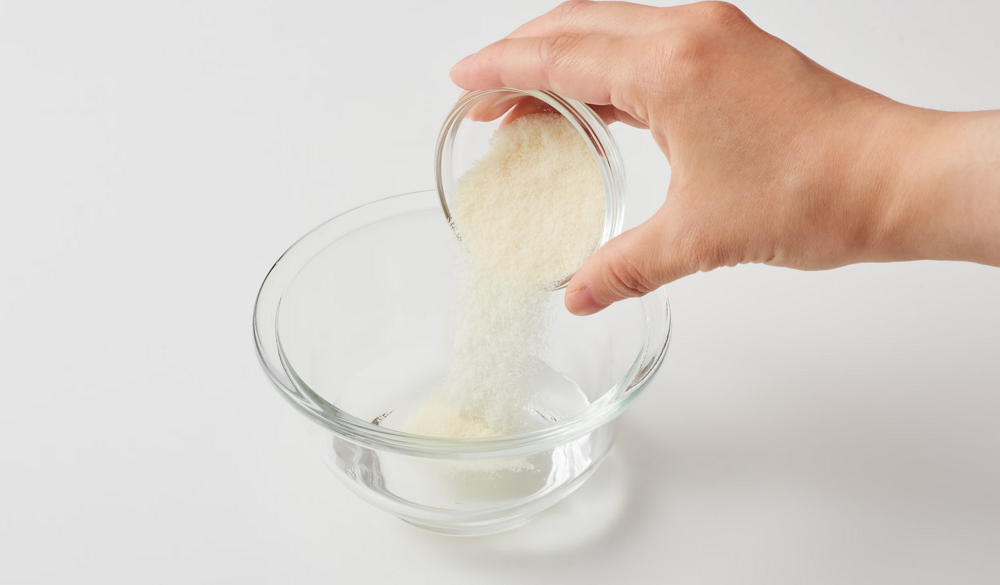
In daily supplementation, one of the most common approaches is dissolving gelatin powder in warm liquid. Gelatin requires heat to fully dissolve, which means it is usually added to hot water, tea, broth, or functional beverages before consumption. Once cooled, it naturally forms a thicker texture, which is why it is often used in structured nutrition products. From a formulation standpoint, this characteristic is important because protein powder manufacturers often design gelatin-based products either for immediate consumption in warm form or for controlled gelling in functional food systems.
Another practical method is incorporating gelatin into recipes rather than drinking it directly. Many consumers mix gelatin powder into soups, smoothies, or protein shakes, but timing and temperature matter. If the liquid is too cold, the powder may clump or partially gel, leading to an uneven texture. For this reason, protein supplement manufacturers usually recommend pre-dissolving gelatin in warm water before blending it into other ingredients. This step improves consistency and ensures better product stability, especially in large-scale production where uniformity is critical.
Daily dosage is also an important consideration. While there is no single universal intake level, most usage depends on product design and nutritional positioning. In commercial supplement development, brands often define dosage based on target protein content per serving, consumer expectations, and regulatory guidelines. For example, some functional formulations may include small daily servings as part of beauty or joint-support blends, while others may use higher concentrations in protein-focused systems. This flexibility is one reason why protein supplement manufacturers frequently integrate gelatin into multi-functional powder systems rather than standalone products.
Timing of consumption can also influence user experience. Some consumers prefer taking gelatin in the morning as part of a routine wellness drink, while others include it in evening routines, especially when used in warm beverages. From a product development perspective, powder contract manufacturers often design usage instructions based on lifestyle alignment, ensuring that the product fits naturally into daily habits rather than feeling like an additional step.
Another factor worth noting is how gelatin interacts with other ingredients. It blends well with amino acids, vitamins, and botanical extracts, but it may not perform well when mixed directly with very acidic or cold liquids without proper formulation adjustments. This is where experienced powder supplement manufacturers play a key role in optimizing solubility, flavor masking, and stability so that the end product remains consistent across different consumer environments.
Recommended Dosage and Usage Timing for Best Results
When it comes to how to take gelatin powder as a supplement, dosage and timing are not fixed rules but depend heavily on product design, intended benefits, and how powder supplement manufacturers position the final formulation. In commercial supplement development, gelatin is typically used as part of a structured system rather than a standalone ingredient, so usage guidance must balance practicality with formulation logic.
1. Typical Daily Dosage Range in Supplement Formulations
In most finished products developed by protein supplement manufacturers, gelatin powder is commonly used in serving sizes ranging from 5g to 15g per day. Lower dosages are often seen in functional wellness blends, while higher dosages are used in protein-forward formulations. The exact amount depends on whether the product is designed for general wellness, beauty support, or structural protein intake. For brands working with powder contract manufacturers, dosage is usually aligned with target protein claims per serving to meet labeling requirements and consumer expectations.
2. Dividing Intake Across the Day for Better Absorption
Instead of taking gelatin all at once, many formulations are designed for split dosing. This means consumers may take one portion in the morning and another later in the day. The idea is to improve consistency in amino acid availability rather than relying on a single intake spike. From a manufacturing perspective, protein powder manufacturers often structure packaging into sachets or scoops that naturally encourage this split-use behavior, especially in lifestyle or beauty-focused products.
3. Morning Use for Functional Nutrition Positioning
Morning consumption is common because gelatin-based products are often positioned within daily wellness routines. Taking it in the morning allows it to be combined with warm water, coffee, or functional drinks. This timing also aligns well with metabolism-focused product narratives. Many powder supplement manufacturers design usage instructions that integrate gelatin into breakfast routines to improve adherence and long-term use.
4. Evening Use for Recovery-Oriented Formulas
Evening intake is also widely used, especially in formulations targeting recovery, relaxation, or overnight nutrition support. Warm beverages are often used as delivery systems, which makes gelatin easier to dissolve and consume. In this context, protein supplement manufacturers may recommend nighttime use as part of a recovery protocol, particularly in sports nutrition or restorative wellness blends.
5. Pre-Workout or Post-Workout Applications in Sports Nutrition
In more advanced formulations, gelatin can be integrated into fitness products. Some brands position it as a structural protein source consumed before or after exercise. Post-workout timing is more common because the body is already in a nutrient-receptive state. Powder contract manufacturers often adjust solubility and flavor systems to ensure the product mixes quickly in water or shakes during fitness routines.
6. Consistency Over Timing for Long-Term Results
While timing can optimize user experience, consistency is more important than strict schedules. Gelatin works best when taken regularly over time rather than sporadically. For this reason, protein powder manufacturers emphasize daily habit formation in packaging design, serving size control, and usage instructions.
7. Product Design Influences Real-World Usage
Ultimately, how gelatin is taken depends heavily on how it is formulated. Sachets, drink powders, capsules, or functional blends all influence consumption behavior. This is why powder supplement manufacturers play a key role in shaping not just the formula, but also the user experience behind it.
Applications of Gelatin in Functional Nutrition and Wellness Products
Gelatin has moved far beyond its traditional role in food and confectionery. In modern supplement development, it is widely used across functional nutrition and wellness categories because of its structural properties, protein content, and formulation flexibility. For brands working with protein supplement manufacturers, gelatin is often selected not only as an ingredient but as a functional system that defines product texture, delivery format, and consumer experience.
1. Functional Gummies and Chewable Supplements
One of the fastest-growing applications of gelatin is in gummy supplements. Gelatin provides the elasticity and chewable texture that consumers expect, making it ideal for vitamins, minerals, and beauty supplements. In this format, powder supplement manufacturers rely on gelatin to ensure shape stability, consistent dosing, and shelf-life durability. It also helps mask unpleasant tastes from active ingredients.
2. Protein and Collagen Blends in Drink Powders
Gelatin is often included in drinkable functional powders, especially in beauty and recovery-focused formulations. While it does not fully dissolve like collagen peptides, it contributes to protein density and mouthfeel. Many protein powder manufacturers use gelatin in hybrid formulas to improve texture and nutritional positioning.
3. Capsule and Encapsulation Systems
Gelatin is a core material in hard capsules and softgels. Its film-forming ability makes it suitable for encapsulating powders, oils, and herbal extracts. In this application, protein supplement manufacturers focus on purity, dissolution time, and shell strength to ensure product performance and regulatory compliance.
4. Functional Jellies and Nutrition Snacks
Gelatin enables the creation of structured nutrition products such as protein jellies or meal supplements. These formats are popular in Asia and increasingly expanding globally. Powder contract manufacturers use gelatin to stabilize these products without requiring complex additives or synthetic binders.
5. Recovery and Sports Nutrition Products
In sports nutrition, gelatin is used in recovery blends targeting connective tissue and joint support. It is often combined with amino acids and electrolytes to create functional recovery systems. This application is growing as brands look for alternatives to traditional protein shakes.
Gelatin Application Overview Table
Application Category | Product Format | Key Functional Role | Manufacturing Focus |
Gummies | Chewable supplements | Texture, elasticity, taste masking | Gel strength, stability |
Drink powders | Functional beverages | Protein support, mouthfeel | Solubility balance |
Capsules | Hard/soft capsules | Encapsulation material | Shell integrity |
Nutrition jellies | Gel-based snacks | Structure formation | Heat stability |
Sports recovery | Protein blends | Amino acid delivery system | Mixability, formulation |
Manufacturing Considerations When Working With Protein Supplement Manufacturers
When developing gelatin-based supplements, manufacturing decisions directly impact product quality, scalability, and market success. Working with experienced protein supplement manufacturers is essential because gelatin behaves differently from standard protein powders and requires controlled processing conditions.
1. Raw Material Quality and Sourcing Standards
High-quality gelatin starts with controlled sourcing of animal collagen. Manufacturers must ensure consistent bloom strength, purity levels, and traceability. In large-scale production, powder supplement manufacturers often evaluate raw materials based on gelling strength and protein consistency to ensure batch-to-batch stability.
2. Temperature Sensitivity During Processing
Gelatin is highly sensitive to temperature. It dissolves in warm conditions but sets when cooled. This means production lines must carefully control heating and cooling cycles. Protein powder manufacturers typically use staged mixing systems to avoid premature gelling or clumping during processing.
3. Formulation Compatibility With Other Ingredients
Gelatin does not always behave well with acidic or highly mineralized systems. Certain vitamins, acids, or botanical extracts can affect its stability. For this reason, powder contract manufacturers conduct compatibility testing to ensure uniform dispersion and prevent separation in the final product.
4. Solubility and Texture Optimization
Unlike fully soluble proteins, gelatin creates viscosity. Manufacturers must balance texture with usability. This is particularly important for drink powders and ready-to-mix products. Protein supplement manufacturers often adjust particle size, blending methods, and excipient systems to improve user experience.
5. Packaging and Shelf-Life Stability
Gelatin-based products require moisture control because humidity can affect texture and stability. Proper packaging design is critical. Desiccant use, barrier packaging, and controlled storage conditions are standard practices used by powder supplement manufacturers to maintain product integrity.
6. Regulatory Compliance and Labeling
Gelatin is animal-derived, which means it must be clearly labeled in many markets. Manufacturers must also comply with regional dietary and allergen regulations. Experienced protein powder manufacturers ensure labeling accuracy and regulatory alignment across different export markets.
7. Scale-Up and Production Efficiency
Scaling gelatin-based products requires careful process validation. Small pilot batches often behave differently from industrial-scale production. Powder contract manufacturers play a key role in ensuring that formulation consistency is maintained during scale-up.
How to Choose the Right Powder Contract Manufacturers for Your Brand?
Selecting the right manufacturing partner is one of the most important decisions for any supplement brand, especially when developing gelatin-based or protein-focused products. A strong powder contract manufacturers partnership directly affects product quality, speed to market, and long-term scalability.
1. Evaluate Technical Expertise in Protein Systems
Not all manufacturers understand the complexity of protein ingredients like gelatin. Brands should prioritize partners with proven experience in protein blending, encapsulation, and functional powder systems. Protein supplement manufacturers with technical depth can prevent formulation issues early in development.
2. Check Production Capabilities and Equipment
Manufacturing gelatin-based products requires specific equipment for heating, mixing, and moisture control. Brands should assess whether the facility can handle both small pilot runs and large-scale production. Powder supplement manufacturers with flexible production lines offer better long-term scalability.
3. Assess Quality Control Systems
Strong quality control ensures consistency across every batch. This includes raw material testing, in-process monitoring, and final product verification. Reliable protein powder manufacturers typically follow strict GMP standards and maintain full documentation for compliance.
4. Review Formulation and R&D Support
Beyond production, a good contract manufacturer should offer formulation support. This includes ingredient selection, stability testing, and product optimization. Powder contract manufacturers with in-house R&D teams help brands move from concept to finished product faster.
5. Consider Regulatory and Export Experience
If a brand plans to sell internationally, regulatory experience becomes critical. Different regions have different requirements for labeling, ingredient usage, and dosage limits. Experienced protein supplement manufacturers can help navigate these complexities and reduce compliance risks.
6. Evaluate Communication and Project Management
Efficient communication is often overlooked but essential. Delays or misunderstandings can impact launch timelines. Brands should work with manufacturers that provide clear timelines, transparent updates, and structured project management systems.
Final Thoughts on Gelatin Powder in Modern Supplement Development
Gelatin powder continues to hold a stable and practical position in the global supplement industry, not only as a nutritional ingredient but also as a functional building block in product formulation. From gummies and capsules to drinkable powders and structured nutrition formats, its versatility makes it relevant across multiple product categories. When brands understand how to take gelatin powder as a supplement and how it performs in real formulations, they gain a clearer perspective on how to position it within both consumer-facing products and large-scale manufacturing systems.
From a product development standpoint, gelatin offers a balance between functionality and cost efficiency. It supports texture, stability, and protein content while remaining adaptable to different delivery formats. However, its real value is fully realized only when it is paired with the right formulation strategy and experienced manufacturing support. This is where collaboration with professional protein supplement manufacturers, powder supplement manufacturers, and powder contract manufacturers becomes essential. These partners help ensure consistency, regulatory compliance, and scalable production that meets global market demands.
As consumer preferences continue shifting toward clean-label, functional, and easy-to-use nutrition products, gelatin-based formulations are expected to remain relevant, especially in hybrid protein systems and wellness-focused applications. Brands that invest in proper formulation design, stable manufacturing processes, and strategic product positioning will be better equipped to compete in this evolving space.
Ultimately, success with gelatin-based supplements is not just about the ingredient itself, but about how it is developed, manufactured, and delivered to the end user. With the right technical foundation and production partner, gelatin can serve as a reliable cornerstone for building high-quality, market-ready supplement products.
Build Your Supplement Brand with a Reliable Manufacturing Partner
From raw material sourcing to finished product production, we provide flexible nutraceutical manufacturing solutions tailored to your brand goals. Connect with our team to discuss your next supplement project.